
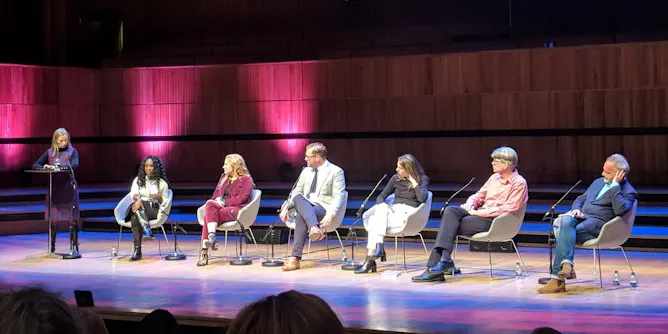
Writing is a solitary art. But authors shortlisted for the Booker Prize have to perform in public. Here’s how this year’s crop fared.
Articles on Fiction
Displaying 301 - 320 of 384 articles
Girls are encouraged more often to read, despite performing better in reading assessments nationally and internationally. Here’s how parents and educators can help connect boys with books.
Writing based on observation and empathy is one thing; but interviewing the people whose experiences you aim to depict - and showing them your work - is quite another.
With The Dying Trade, Peter Corris introduced Australia to one of its most successful crime heroes, Cliff Hardy.
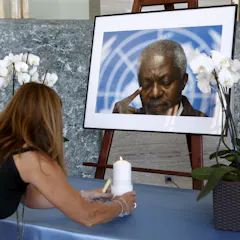
Kofi Annan and John McCain’s positive eulogies could be because both men seized moments of human dignity and decency.
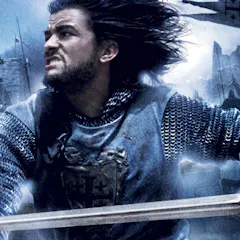
A great movie that gets some of its history wrong is way better than an accurate film that puts people to sleep.
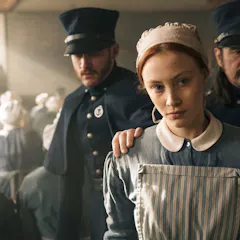
Mad, bad or dangerous – the gripping true crime story of Grace Marks, who caused a sensation in the 19th century and still holds fascination today.
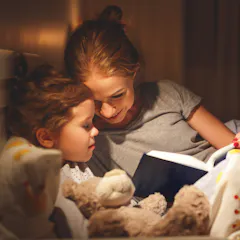
These books will kickstart a lifelong love of reading, and build a bedtime bond between parent and child.

Female protagonists in young adult fiction are unlikely heroines who embrace their flaws. But when it comes to diversity, they are still largely white and middle class.

Cryonics is no longer synonymous with science fiction. What are we technically capable of doing and what do we have the right to do?
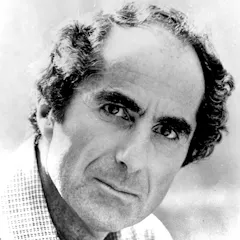
Whether you loved him or hated him, his canonical status is beyond question.
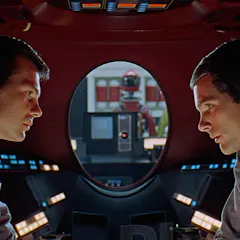
Since Stanley Kubrick’s masterpiece debuted in 1968, fictional stories of faulty or malevolent AI are legion. What have recent advances taught us and what might the future hold?

Tim Winton’s latest novel, The Shepherd’s Hut, pushes the author’s classic themes to the extreme.
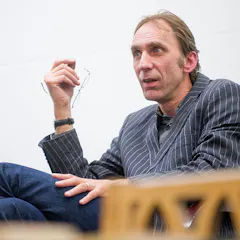
Literary fiction is robust enough to withstand the challenges the 21st century throws at it.
Treatment for nervous exhaustion in the Victorian era could literally drive you mad.
Ursula le Guin gave us an anarchist society on another world; we brought it back to Earth.
Science fiction has a more important job to do – it allows us to see ourselves in a new light.
Reading something that sows doubt about a widely agreed-upon fact – even the election of George Washington as president – can have a profound effect.
The limited and skewed portrayal of autism means it is often
misrepresented rather than represented in fiction.
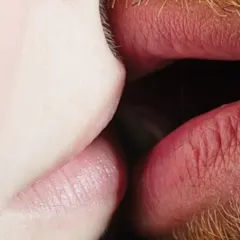
Kristen Roupenian’s Cat Person short story in the New Yorker about the perils of dating in the digital world is flawed – and brilliant as a result.
Top contributors
-

Distinguished Professor Emerita of Creative Practice, Faculty of Arts and Design, University of Canberra
-
Professor of English Literature, University of Southern Queensland
-
Professor, Chair of Australian Literature, The University of Western Australia
-
Associate Professor in Literary Studies, RMIT University
-
Lecturer in English Literature, Adelaide University
-
Lecturer, Creative Writing, Adelaide University
-
Professor of English, Institute for Humanities and Social Sciences, ACU, Australian Catholic University
-
Senior Lecturer, Writing, Department of Media and Communication, Swinburne University of Technology
-
Adjunct Lecturer, English and Creative Writing, UNSW Canberra, UNSW
-
Senior Lecturer in Humanities, University of Southern Queensland
-
Dean of Research (Creative), Adelaide University
-
Director of Creative Writing, Macquarie University
-
Senior Lecturer in Writing, Literature and Culture, Deakin University
-
Professor, English and Creative Writing, Adelaide University
-
Professor of Creative Writing, University of Technology Sydney