
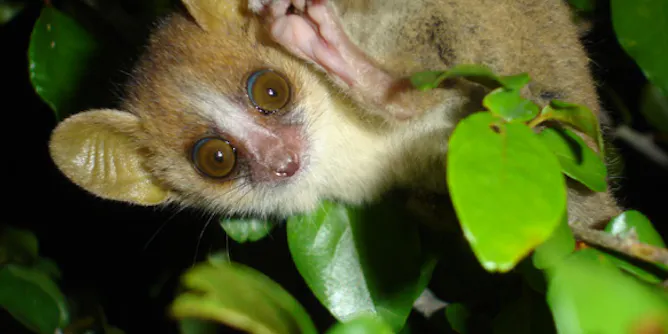
As Donald Trump prepares to enter the White House, there may be dark days ahead for some of the world’s rarest and most beautiful primates.
Articles on Extinction
Displaying 301 - 320 of 421 articles
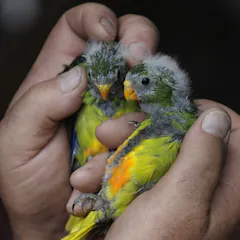
Researchers are planning to monitor orange-bellied parrot nests all summer to make sure they raise chicks successfully.
The jury is in and the debate is over: Earth’s sixth great extinction has arrived.
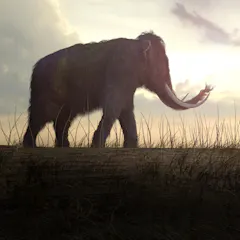
Is an extinct animal really gone forever?
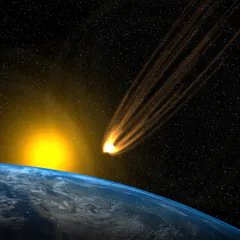
Large asteroid hits on Earth have the potential to wipe out humanity so knowing how to detect and deflect them is vital. But we know very little about the interior make up of many asteroids.
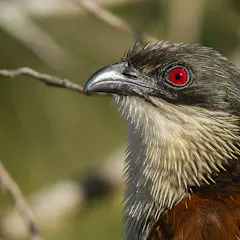
The Nullarbor is an arid, treeless expanse today. But several hundred thousand years ago it was home to a menagerie of species, including two newly discovered giant cuckoo-like birds.
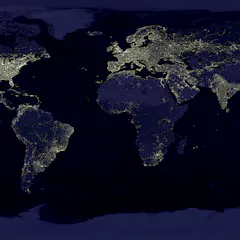
Human activity doesn’t just reduce biodiversity – new research explores how we are continually creating new species and ecosystems, too.
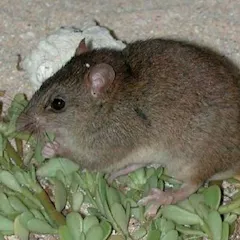
Australia’s conservation laws presume that we can preserve everything in its natural state. But in a changing world, we’ll have to be more flexible than that.
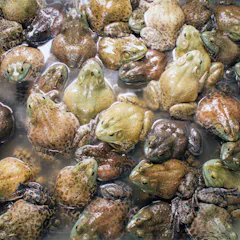
The Earth is full of many varied species from the largest mammals to the tiniest organisms. But we now think there could be ten times more species than was originally thought.
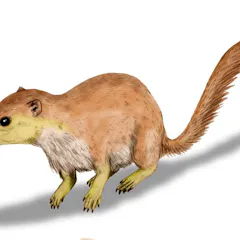
New research reveals that mammals didn’t wait for the dinosaurs to die out before starting their rapid spread.
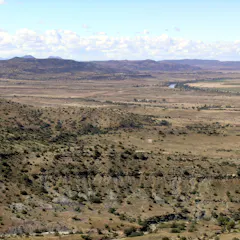
How did survivors of the Permo-Triassic Mass Extinction adapt to their new, harsh environment? And why is that knowledge so important for modern species?
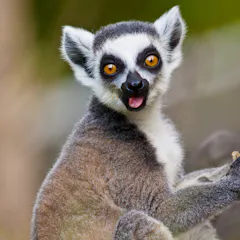
More than 90% of Madagascar’s lemurs face extinction. Losing them will mean a loss of the valuable function they serve to the forests in which they live.

Scientists are working to bring this large, unique frog back from the brink of extinction.
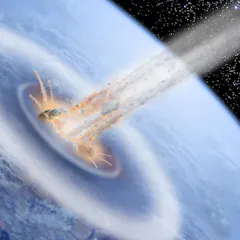
The idea that the dinosaurs were wiped out by a giant asteroid was ridiculed – until the remains of a giant crater were found deep underground.
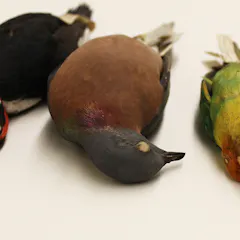
The extinction threat you haven’t heard of: several South American birds teeter on the brink of existence due to habitat loss. And history is not the best guide for how to save them.
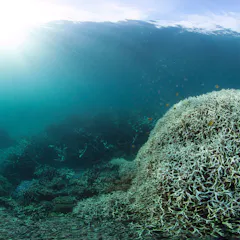
Carbon dioxide is rising faster than any time in the past 66 million years. Rapid rises in the past have been linked to mass extinctions.
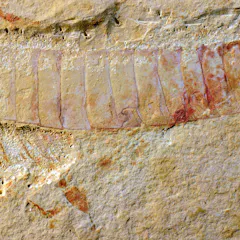
Scientists have uncovered one of the most detailed and well-preserved nervous system fossils ever found.
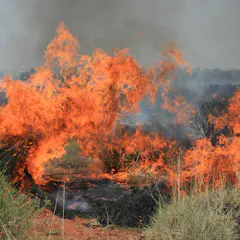
Recent bushfires have not just destroyed human lives and property, but pushed some species further down the path to extinction.
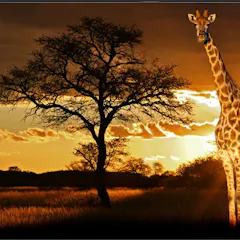
Giraffes are facing a silent extinction and need conservation strategies to help them.
Why we won’t see a Planet of the Apes when humans are gone.
Top contributors
-

Professor of Conservation Biology, Charles Darwin University
-
Professor in Wildlife Ecology and Conservation, School of Life & Environmental Sciences, Deakin University
-
Professor of Conservation and Sustainable Livelihoods, Charles Darwin University
-
Matthew Flinders Professor of Global Ecology and Node Leader in the ARC Centre of Excellence for Indigenous and Environmental Histories and Futures, Flinders University
-
Professor in Conservation Science, School of the Environment, The University of Queensland
-
Professor of Wildlife Conservation, Australian National University
-
Distinguished Professor of Ecology, Fenner School of Environment and Society, Australian National University
-
Associate Professor in Vertebrate Palaeontology, Flinders University
-
Professor in Conservation Science, School of Ecosystem and Forest Science, The University of Melbourne
-
Professor, Urban Ecology and Biodiversity, The University of Melbourne; RMIT University
-
University Fellow in Biodiversity, Charles Darwin University
-
Professor of Environmental Management, The University of Queensland
-
Lecturer in the School of Applied Sciences, Edinburgh Napier University
-
Honorary Research Fellow, University of Sydney
-
Distinguished Research Professor and Australian Laureate, James Cook University