
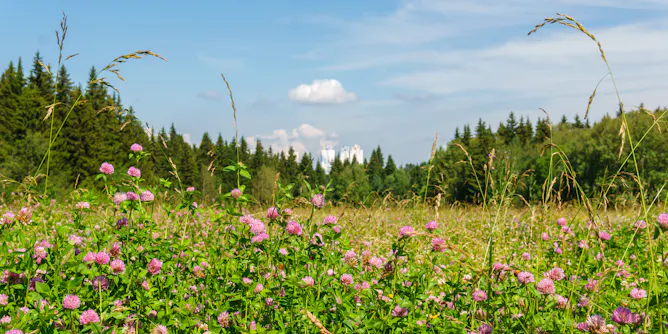
Animals and plants living in cities are more likely to thrive when they are able to quickly adapt to urban conditions.
Articles on Evolution
Displaying 321 - 340 of 1206 articles

A local legend of a mysterious bird with big eyes grew into the discovery of the Príncipe scops owl. A biologist on the team tells the story of finding and cataloging this new species.
By learning what parts of the brain are crucial for imagination to work, neuroscientists can look back over hundreds of millions of years of evolution to figure out when it first emerged.

Fossil evidence of how the earliest life on Earth came to be is hard to come by. But scientists have come up with a few theories based on the microbes, viruses and prions existing today.
Psychopaths have thrived for so long because of their deceptive powers.
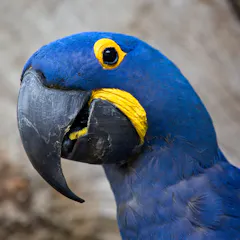
In birds, big brains aren’t associated with living in large social groups – instead, they’re linked to long stints of parental feeding.
In the deep, dark ocean, sunlight-deprived bacteria turn to different sources of energy: dissolved hydrogen and carbon monoxide.
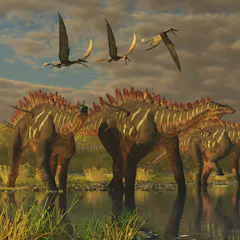
Birds and dinosaurs lived together for millions of years, but only toothless birds survived the asteroid impact that upended life on Earth.
The Wapiti Formation in Alberta is turning out to be a rich site for dinosaur and other fossils. A recent discovery could fill in the gaps about a transition between different ecological communities.
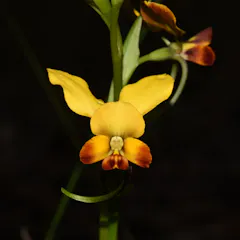
Orchids give nothing in return to pollinators, so how come they get visited by bees anyway? The answer is trickery and deceit.
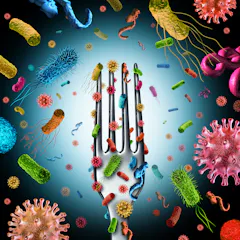
Cancer cells are ‘cheaters’ that do not cooperate with the rest of the body. Certain microbes in your diet can either protect against or promote tumor formation by influencing cell cooperation.

Close relatives of primates adapted to life in the High Arctic 52 million years ago – this may offer insight into future changes in the Arctic.

If we go far enough back in time, we all share an ancestor. And some of the features found in our bones and bodies today are a testament to that.
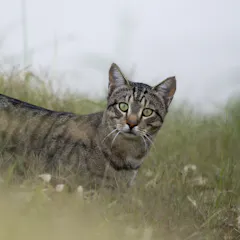
Feral cats double the size of domestic tabbies. Cane toads with longer legs. And dingoes with flexible joints. ‘Selection pressure’ is at work on introduced animals.

Prehistoric reptiles like pterodactyls took flight long before bats and birds, but we don’t know how it happened.
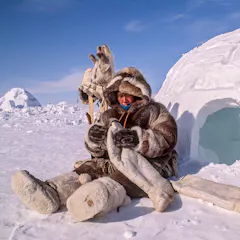
Hate winter? The answer may lie in our evolutionary history.
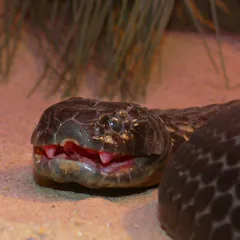
Less than a century ago, a slither of tiger snakes was abandoned on one of Western Australia’s tiny islets. Here’s how they adapted to survive.
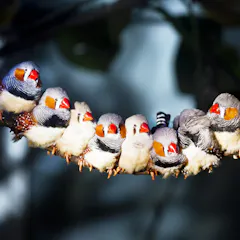
Birdsong plays a vital social role in the lives of these gregarious finches.
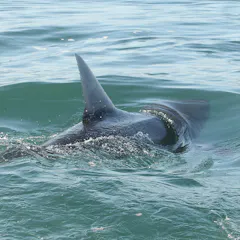
Humans often look to nature for the solutions to complex problems – here are five times where biological processes have inspired innovation.
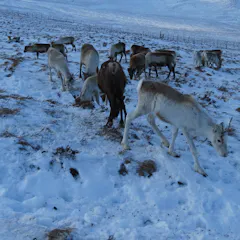
In winter, light in the northern latitudes is dim and very blue compared to summer light. Reindeer eyes have evolved to be better suited at seeing in this unique environment.
Top contributors
-

Scientia Professor of Evolution, UNSW
-
Emeritus Strategic Professor in Palaeontology, Flinders University
-
Senior Research Scientist, South Australian Museum; Flinders University
-
Honorary Associate Professor, UNSW
-
Professor of Evolutionary Palaeobiology at the Milner Centre for Evolution, University of Bath
-
Senior Lecturer in Paleontology and Evolutionary Biology, Life Sciences at the University of Bath, University of Bath
-
Associate Professor, Department of Physiology, Monash University
-
Associate professor in Vertebrate Palaeontology, University of the Witwatersrand
-
Principal Lecturer in Wildlife Conservation, Nottingham Trent University
-
Research Associate in the College of Science and Engineering, Flinders University
-
Jenny Graves is a Friend of The Conversation.
Distinguished Professor of Genetics and Vice Chancellor's Fellow, La Trobe University
-
Adjunct Research Associate, Monash University
-
Mark Elgar is a Friend of The Conversation.
Emeritus Professor of Evolutionary and Behavioural Ecology, The University of Melbourne
-
Professor, School of Biological Sciences, Monash University
-
Professor of Earth System Science, UCL