
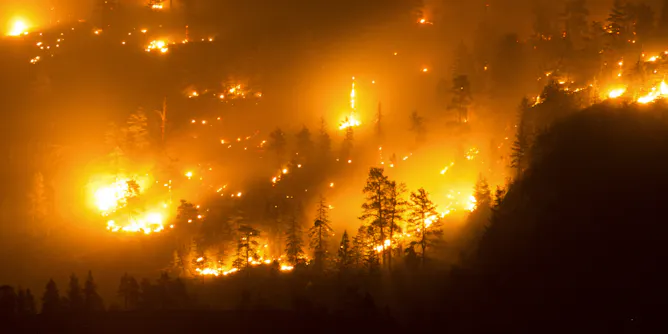
The wildfires of the past were as fierce, deadly and eerily similar to the ones we have today. And we have yet to learn to live with them.
Articles on Evacuation
Displaying 21 - 40 of 45 articles

Evacuations can save lives, as in the case of post-tropical cyclone Fiona. As more frequent extreme weather events are set to occur, it is important to have evacuation plans in place.
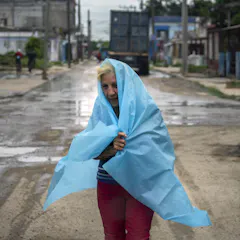
For some people, the risks associated with leaving can seem more dangerous than the storm.
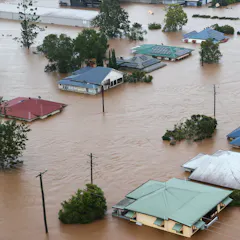
Improved warnings are unlikely to protect houses, but it means people can prepare – they can move possessions, reach vulnerable loved ones and evacuate in a timely manner.
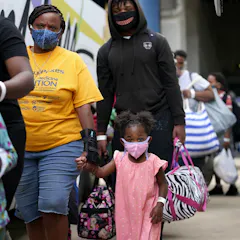
Disaster preparation and evacuation procedures weren’t made for social distancing. The pandemic means response decisions are now fraught with contradictions.
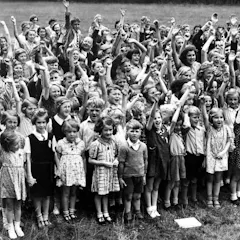
In 1940, when it came to evacuating children to safety in the US and Canada, class divisions still seemed to count.
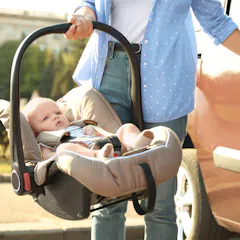
Babies are particularly vulnerable in emergencies, especially in hot weather. Here’s what your emergency kit needs to ensure they stay hydrated if you have to evacuate or you lose power or water.
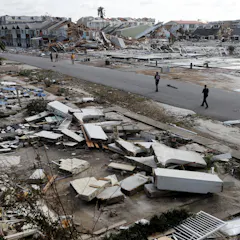
An engineering professor explains why rural areas are especially vulnerable to hurricanes, and what they can do to ensure that no one is left without help.
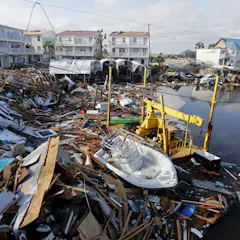
For the start of Atlantic hurricane season on June 1, scholars explain weather forecasting, evacuation orders, inland flooding risks and how social ties influence decisions to stay or flee.
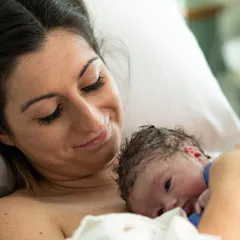
When World War II struck, the British government evacuated women to hospitals in the countryside to give birth – and the change still affects maternity care today.
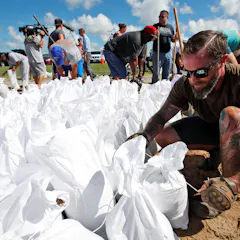
Many factors can influence people to evacuate or stay in place when disasters loom. Research using Facebook posts suggests that people with broad social networks are more apt to get moving.
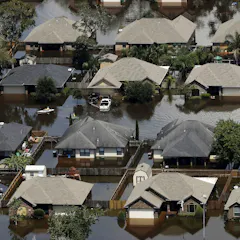
Many people board up their houses and stay in place during disasters – but often they aren’t prepared to go without water, power or transportation for days or weeks afterward.
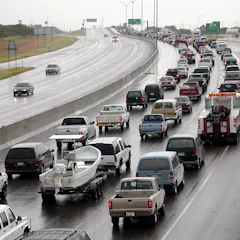
Many factors can influence people to evacuate or stay in place when disasters threaten. New research using Facebook posts suggests that people with broad social networks are more apt to move.
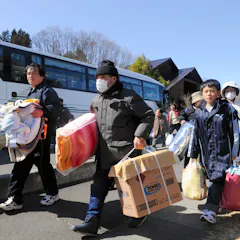
Letting Fukushima residents stay in their homes would have only cost them an average of three months’ life expectancy.

Evacuating nursing home residents during a disaster can be even more dangerous than staying put.
Social media apps are becoming as important as water, food and batteries when communities face natural disasters. One key function is helping people connect with neighbors and support each other.
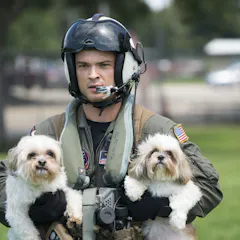
During Hurricane Katrina in 2005, some people died rather than evacuating without their pets. Now emergency managers are required to include animals in their response plans.
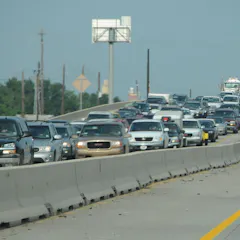
Why did some Texas coastal cities order mandatory evacuations ahead of Hurricane Harvey while others, including Houston, did not? There is no formula for these decisions; either choice can backfire.
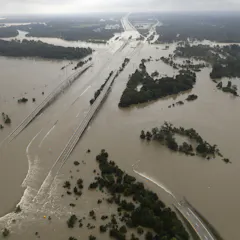
Many people may have stayed put during Hurricane Harvey because no storm that big had struck Texas since 1961. But like New Orleans after Katrina, Texas is likely to be much better prepared next time.
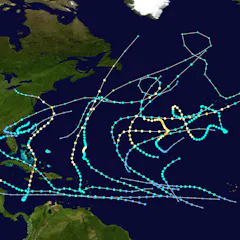
Major hurricanes threaten millions of people and billions of dollars in property along the Atlantic coast. Here experts advise on preparing, understanding forecasts and recovering after a storm.
Top contributors
-

Professor of Political Science, Public Policy and Urban Affairs, Northeastern University
-
Professor in Digital Construction and Fire Engineering, Te Kunenga ki Pūrehuroa – Massey University
-
Associate Professor of Disaster and Emergency Management, York University, Canada
-
Adjunct Professor, School of Nursing and Midwifery, Western Sydney University
-
Postdoctoral Researcher, The Resilience Institute at Boise State University, Boise State University
-
Associate Professor of Civil Engineering, Texas A&M University
-
Assistant Professor of Marine Sciences, Texas A&M University
-
Lecturer in Transport Modelling, Edinburgh Napier University
-
Associate Professor and Principal Fellow in Urban Risk and Resilience, The University of Melbourne
-
Professor of Risk Management, University of Bristol
-
Associate Professor of Global and Sociocultural Studies, Florida International University
-
Professor of Epidemiology and Core Faculty of Disaster Research Center, University of Delaware
-
Coordinator, Veterinary Extension Specialist Group, Colorado State University
-
Associate Professor of Geography, University of Alabama
-
Ph.D. Candidate, Northeastern University