
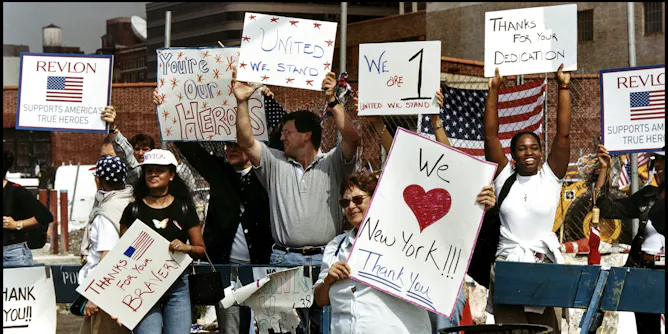
Decades of disaster research show how catastrophes strain communities – and reveal the connections that help people endure.
Articles on Hurricane Katrina
Displaying 1 - 20 of 59 articles
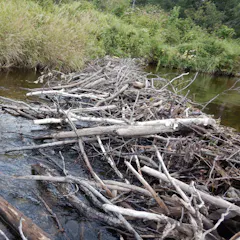
Beaver dams play a key role in the ecosystem but are often considered dangerous, even though they have a limited impact on flooding downstream.
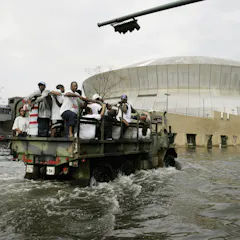
The 2005 hurricane was a disaster made worse by a lack of coordination and communication among governments and emergency leadership on the ground.
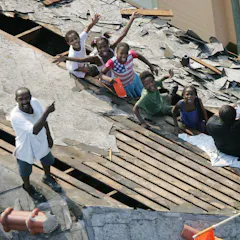
Looking back on New Orleans 20 years after Hurricane Katrina is a reminder that while such hazards may be natural, the death and destruction is largely human-made.
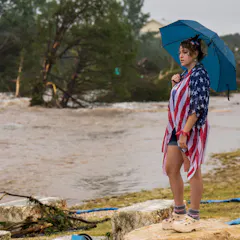
After a natural disaster, survivors often suffer from prolonged trauma for years to come, particularly in places where mental health services are few and far between.
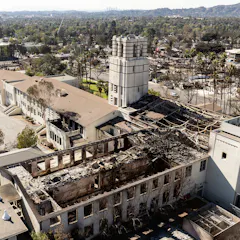
As students and teachers return to school after the fires, educators will have to focus on emotional rehabilitation before academic recovery can begin.
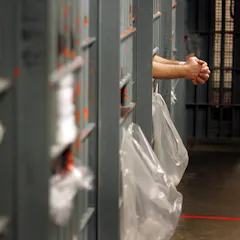
Prisons and jails are difficult to evacuate when wildfires or storms approach. Many of these facilities lack evacuation plans and may keep incarcerated people on-site instead of moving them to safety.

Disaster relief requires cooperative, healthy relationships between the president, federal agencies and state, local and tribal governments. But with politicians in the mix, trouble can happen.
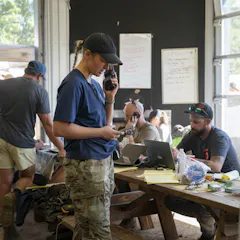
They aren’t just operating boats and helicopters. Others serve as dispatchers, handle logistics, and run social media operations.
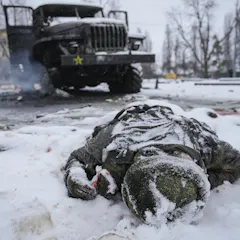
Many images from the Ukraine war are compelling and distressing depictions of the human costs of war.

Even once the war in Ukraine ends, the millions of people who fled from their homes might not be quick to return. The faster the war ends, the more likely it is they will go back.
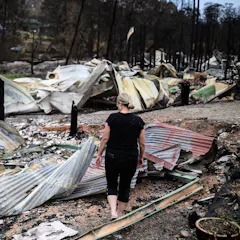
There’s evidence that people who have been through multiple disasters experience poorer mental and physical health compared to people who have been exposed to a single disaster.
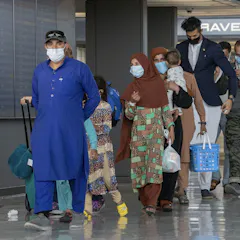
Needs will continue in Haiti and New Orleans – and for Afghan refugees – long past the point when most donors will have found new priorities.
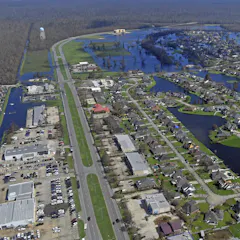
Sixteen years after Hurricane Katrina made landfall, the Category 4 storm Hurricane Ida reached Louisiana. Planning for future hurricanes must include the need to build resiliency to climate change.

Social inequalities worsen storm damage and challenge disaster recovery, increasing class divides over time.
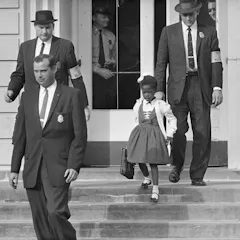
Is the public education that Ruby Bridges fought to integrate a relic of the past?
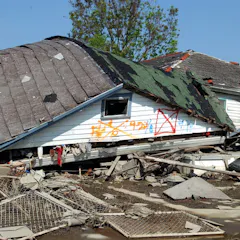
Research shows supporting newly released prisoners to move to a new area can slash reincarceration rates.
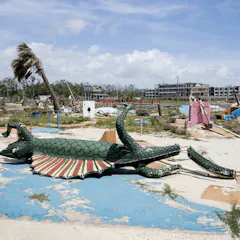
After the news media move on from a major disaster site, rebuilding continues for years.
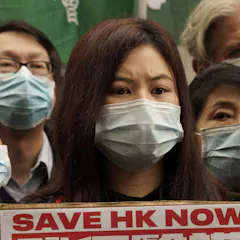
The prevalence of racism and scapegoating in the face of catastrophes and disasters has a much longer history than the new coronavirus outbreak.
Hurricane season presents special dangers for elders, particularly for those in nursing homes and assisted living. Research indicates sheltering-in-place may actually be less risky than evacuating, at times.
Top contributors
-

Clinical Assistant Professor of Education, Health and Behavior Studies, University of North Dakota
-
Eugene M. Isenberg Chair in Integrative Studies, UMass Amherst
-
Professor of Civil Engineering and Director of the Beaty Water Research Centre, Queen's University, Ontario
-
Assistant Professor of Law, Georgia State University
-
Assistant Professor of Sociology, University of Houston
-
Glenn Family Chair Emeritus of Economics and Philanthropic Studies, Indiana University
-
Professor of Policy Analysis, RAND School of Public Policy
-
Ph.D. Candidate in Economics, University of California, Los Angeles
-
Associate Professor, Global Management Studies, Toronto Metropolitan University
-
Lecturer in Global Health, UCL
-
Affiliate Full Professor of Environmental & Societal Futures and Conservation Biology, University of Washington, Bothell
-
Professor of Civil and Environmental Engineering and Director of the Atmosphere/Energy Program, Stanford University
-
Professor of Sociology, University of Vermont
-
Professor of Public Management and Policy, Georgia State University
-
Provost Professor of Economics and Spatial Sciences, USC Dornsife College of Letters, Arts and Sciences; Institute for Humane Studies