

Machine learning technology was first to sound the alarm about the new coronavirus. Its success illustrates how AI is boosting epidemiology.
Articles on Epidemiology
Displaying 181 - 200 of 243 articles

The current outbreak of COVID-19 underscores the need to study urban growth to understand the spread and control of future epidemics.

Epidemiologists want to quickly identify any emerging disease’s potential to spread far and wide. Dependent on a number of factors, this R0 number helps them figure that out and plan accordingly.
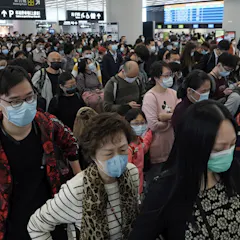
The novel coronavirus spreading outward from Wuhan, China, will get an assist from a subset of infected people who transmit it to many others.

Starting Feb. 6, 2020, California farmers will be barred from using chlorpyrifos on their crops. The Trump administration says more study is needed, but other states are also moving ahead.
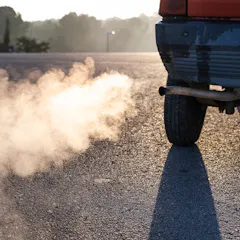
Scientists who were appointed to advise the EPA on air pollution kept meeting independently after the agency dissolved their panel. They say current regulations aren’t strict enough.

A new study has found a link between being born by caesarean section and having a greater chance of being diagnosed with autism or ADHD. But there’s no evidence caesarean sections cause them.

Applied Epidemiological Modelling has enormous potential to improve how decisions are made about public health in African countries.

Social status and location affected Dutch Jews’ chances of survival.
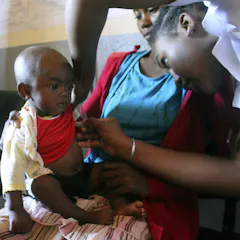
Scientists identified the general pattern of measles infections as a country moves toward eliminating the disease. This roadmap can help public health workers most efficiently fight and end measles.

The 2018 flu season was mild, while 2017 was a particularly bad year. It’s impossible to predict what the 2019 flu season has in store, but we’ve seen more cases so far this year than usual.
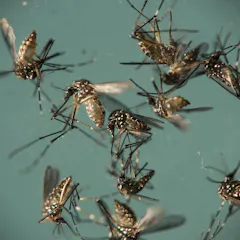
In January, measles returned to the Pacific Northwest, while Ebola resurged in the Congo. It would take a lot more research for scientists to be able to stop threats like these in their tracks.

What contributes most to being at high risk of diabetes – diet, genes or something else? Big research questions need robust research approaches, so let’s break it down.
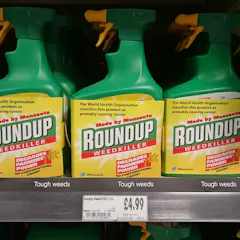
Thousands of people are suing Monsanto, claiming that its Roundup herbicide gave them cancer. A California judge has reduced the first damage award but let the verdict against Monsanto stand.

Polio can be circulating through a community long before anyone is paralyzed. Monitoring sewage for the virus lets public health officials short-circuit this ‘silent transmission.’

It’s clear that socioeconomic position has a strong influence on cancer incidence and mortality in Australia.

A jury concluded on Aug. 10 that exposure to the herbicide Roundup caused Dewayne Johnson’s cancer and ordered the company to pay $289 million in damages. Thousands more claims are pending.

Hundreds of lawsuits against Monsanto contend that its popular Roundup weed killer gave users cancer. But proving this kind of connection is challenging in both science and law.

Mounting reports of norovirus symptoms point to a summertime outbreak, which could mean big trouble for an already struggling NHS.

Life in the human herd is complex, and we are unavoidably inter-dependent when it comes to our health. Population health science looks at the things that cause ill-health in the first place.
Top contributors
-

Associate Professor, Epidemiology, Deakin University
-
Professor of Biostatistics and Epidemiology, Adelaide University
-
Professor, School of Medicine, University of Connecticut
-
Professor in Mathematical Biology, The University of Melbourne
-
Chair in Epidemiology, Deakin University
-
Head of School of Population Health and Professor, Infectious Diseases Dynamics and Interventions, UNSW
-
Professor of Epidemiology, Population Interventions Unit, Centre for Epidemiology and Biostatistics, Melbourne School of Population and Global Health, The University of Melbourne
-
Professor of Public Health, American University
-
Professor and Chair of Epidemiology, University of Michigan
-
Research Assistant Professor of Epidemiology, University of Michigan
-
Assistant Professor of Infectious Diseases, University of Pittsburgh
-
Ph.D. Student in Microbiology and Immunology, Vanderbilt Vaccine Center, Vanderbilt University
-
Matthew Flinders Professor of Global Ecology and Node Leader in the ARC Centre of Excellence for Indigenous and Environmental Histories and Futures, Flinders University
-
Honorary Enterprise Professor, School of Population and Global Health, and Department of General Practice and Primary Care, The University of Melbourne
-
Professor of Global Biosecurity, NHMRC L3 Research Fellow, Head, Biosecurity Program, Kirby Institute, UNSW