
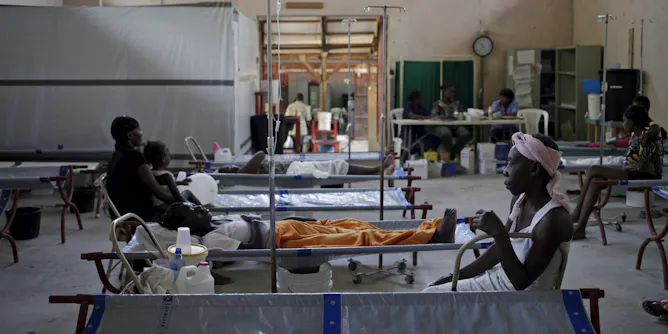
Unless drinking water and sanitation infrastructure are improved, cholera could remain in Haiti indefinitely.
Articles on Epidemiology
Displaying 221 - 240 of 243 articles

The randomised controlled trial is touted as the gold standard in medical research. But its controlled laboratory conditions are far removed from the messy realities of life.
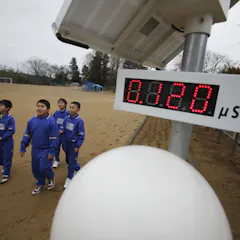
Remediation will never get radiation to zero in the area affected by the 2011 meltdown at the Fukushima-Daiichi nuclear power plant. Rather than safety, the conversation should focus on acceptable risk.

Researchers face stiff fines or even jail time if they inadvertently communicate with foreign colleagues about matters deemed to have a military use.

French farms have seen a major outbreak of bluetongue virus, which can be fatal for sheep.
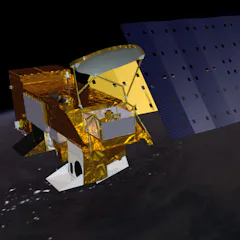
Satellite imaging can locate mosquito-friendly environments, allowing us to predict the advance of diseases they carry.
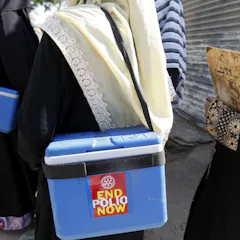
Researchers are piloting a smartphone app to collect better information about who is getting vaccinated and to design better incentives for health workers on vaccination drives.

The relationship between alcohol and violence is complex, and dramatic changes to criminal laws to punish intoxicated offenders are often ineffective, unfair or both.
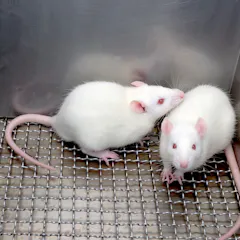
How does one prove that shift work causes breast cancer, as the authors of the new study claim? A cancer epidemiologist explains how scientists weigh evidence to figure out what causes cancer.

Predicting infectious disease outbreaks is a tricky task to begin with. And it’s made harder still by the fact that any individual outcome is subject to unpredictable – or stochastic – effects.
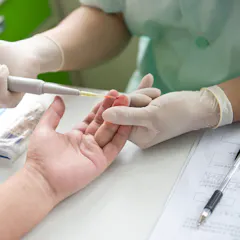
A new fingerprick test given at the patient’s bedside predicts Ebola infection within minutes.

The nail salon industry is booming. But along with polished nails come toxic health effects for the workers, due to the chemical compounds in nail care products.

Understanding public opinion can help officials target messages during a health crisis. But current survey methods aren’t good at generating representative samples. Can Twitter fill in the gaps?
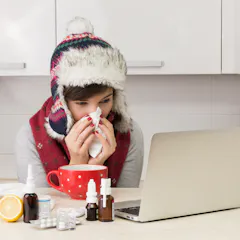
Ever tweet about being sick? Or look up your symptoms online? Researchers are using this information to monitor illnesses and attitudes about health in real time.

The Africa Cup of Nations, the continent’s mini-World Cup, is played every two years by the national teams of 16 African countries who have competed in a series of qualifiers to play in the final tournament…
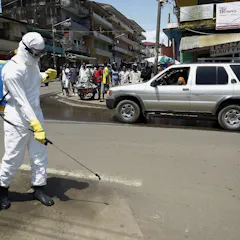
The number of reported Ebola cases is doubling roughly every five weeks in Sierra Leone, and in as little as two to three weeks in Liberia. The number of reported cases globally is projected to reach 10,000…

The purported link between abortion and breast cancer is based on research that’s no longer accepted as valid because its methods are so flawed. But that hasn’t stopped politicians such as Fred Nile and…

The Middle East respiratory syndrome coronavirus (MERS Co-V) emerged in 2012 and has caused ongoing illness in the Middle East and more than 280 deaths. The public health response to MERS-CoV has been…

The human body operates at an average internal temperature of 37°C, give or take various fluctuations during the day. But too much or too little external heat can exacerbate certain health conditions…
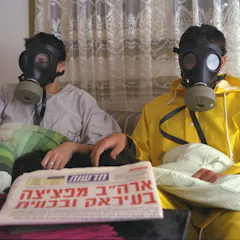
Human skin is a garden of microbes which is home to about 1,000 bacterial species. Most are benign but some invade the skin and cause illness – and of these, antibiotic resistant bacteria are particularly…
Top contributors
-

Associate Professor, Epidemiology, Deakin University
-
Professor of Biostatistics and Epidemiology, Adelaide University
-
Professor, School of Medicine, University of Connecticut
-
Professor in Mathematical Biology, The University of Melbourne
-
Chair in Epidemiology, Deakin University
-
Head of School of Population Health and Professor, Infectious Diseases Dynamics and Interventions, UNSW
-
Professor of Epidemiology, Population Interventions Unit, Centre for Epidemiology and Biostatistics, Melbourne School of Population and Global Health, The University of Melbourne
-
Professor of Public Health, American University
-
Professor and Chair of Epidemiology, University of Michigan
-
Research Assistant Professor of Epidemiology, University of Michigan
-
Assistant Professor of Infectious Diseases, University of Pittsburgh
-
Ph.D. Student in Microbiology and Immunology, Vanderbilt Vaccine Center, Vanderbilt University
-
Matthew Flinders Professor of Global Ecology and Node Leader in the ARC Centre of Excellence for Indigenous and Environmental Histories and Futures, Flinders University
-
Honorary Enterprise Professor, School of Population and Global Health, and Department of General Practice and Primary Care, The University of Melbourne
-
Professor of Global Biosecurity, NHMRC L3 Research Fellow, Head, Biosecurity Program, Kirby Institute, UNSW