
The catastrophic story is familiar, but the insight, and the ending, offer an opportunity, and perhaps motivation, for modern readers.
Articles on Epidemics
Displaying 1 - 20 of 184 articles

The next phase of the response must not be about deploying more people into communities simply to deliver interventions.
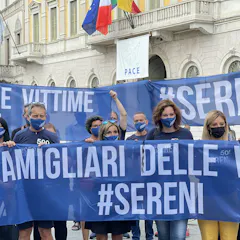
Six years after Italy became Europe’s COVID-19 ground-zero, successful action led by a victims’ association against health governance failings sets an encouraging precedent.
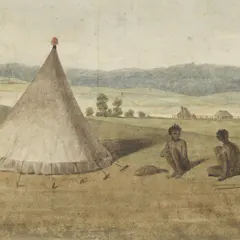
A smallpox epidemic in the 1830s brought a new and deadly disease to the southeastern frontier. Aboriginal people responded with three distinct techniques.
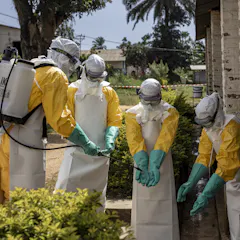
Geography may not provide meaningful protection once an outbreak is already underway.
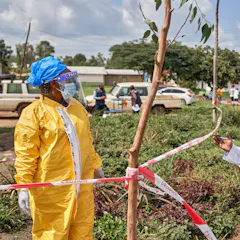
Case numbers have steadily increased since the outbreak was confirmed on May 15.
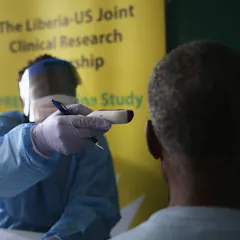
10 years after official end of the Ebola pandemic, very few people know that survivors have struggled to continue with their lives.
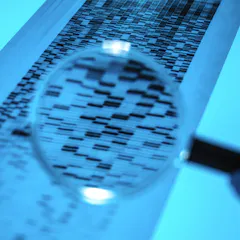
From the Black Death to the COVID-19 pandemic, combining the genetic data of a pathogen with historical records, archaeological artifacts and epidemiological studies can uncover its origins.
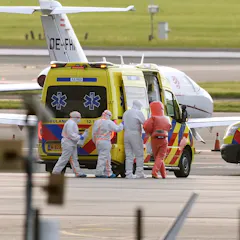
The Andean virus is not highly transmissible between humans. But it is deadly, and the incubation period can be long, so we must remain vigilant, says the virologist.
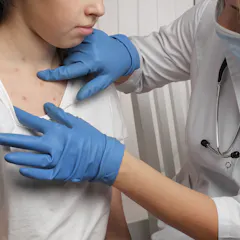
Controlling the spread of many infections, including measles, depends on trust in public health, which is eroding.

Guidelines for social well-being can help health care providers identify when someone is socially isolated and provide goals and standards for policymakers.
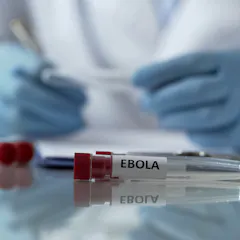
The pace of investment to manage diseases transmissible from animals to humans is dangerously slow.
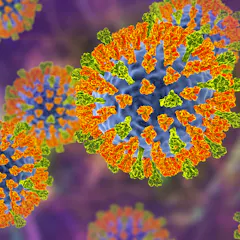
The US eliminated measles in 2000, but the number of cases at home and abroad has experts worried.
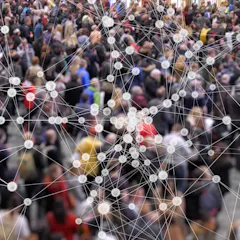
The Epidemic Intelligence Service has been a crucial tool in fighting diseases at home and abroad. Its impact would be impossible to replace.
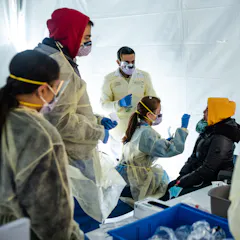
More than a century ago, the US learned what happens when there is no national response to a major health crisis.
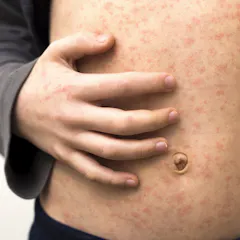
As public health officials try to tame the outbreak, declining vaccination rates draw concern.

With the devastating 1918 pandemic in mind, US health officials saw an outbreak in Asia and swung into action. What happened offers lessons for today.

Health leaders, researchers, advocacy groups, companies and the public have saved millions of lives by reducing the consumption of unhealthy products.

A new study uses maths and behavioural science to understand how your actions during an epidemic influence the spread of the disease (and vice versa).
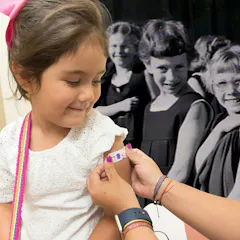
The chance of living one more year is up to 44% more likely thanks to the past 50 years of vaccines, according to new research. But global drops in vaccine coverage pose a risk.
Top contributors
-

Professor of Global Biosecurity, NHMRC L3 Research Fellow, Head, Biosecurity Program, Kirby Institute, UNSW
-
Director of the School of Journalism & Strategic Media, Professor of Media Studies, Middle Tennessee State University
-
Assistant Professor of History, University of Pittsburgh
-
Fellow, Nigerian Academy of Science
-
Principal Visiting Fellow & Former Deputy Director, International Institute for Global Health (UNU-IIGH), United Nations University
-
Professor of Political Studies, University of Johannesburg
-
Research Scientist, African Population and Health Research Center
-
Director, Scowcroft Institute of International Affairs and Executive Professor, Texas A&M University
-
Associate Professor of Epidemiology, Texas A&M University
-
Assistant Professor, Texas A&M University
-
Lecturer, Biomedical and Life Sciences, Lancaster University
-
Associate Professor of Biology, Penn State
-
Professor of Clinical Microbiology, University of Lagos
-
Associate Professor, Epidemiology, Deakin University
-
Lecturer in Virology, Queen's University Belfast