

Preparing now can help keep you and your loved ones safe.
Articles on Epidemics
Displaying 101 - 120 of 184 articles

The US blood supply chain is often fragile, but the coronavirus could make it more so. An expert explains.

There are several things Australian schools can do, that involve encouraging better hygiene and social distancing. They could close too, but that’s not always necessary.

Not everyone who wants a telehealth consultation with their doctor over the next six months will be eligible for one.
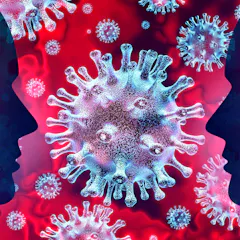
How do we develop new drugs quickly yet safely? How prepared are we to give up some personal freedoms? And how do we allocate scarce resources? These are just some of the tough questions we face.

There are many questions left unanswered because the outbreak is still in an early stage.

A psychologist explains how to get a grip on anxiety triggered by COVID-19.
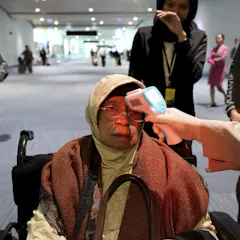
Travelers may undergo screenings at airports to control the spread of coronavirus. Research shows that these efforts have little to no effect on slowing the spread of disease.
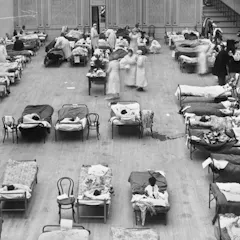
From the neighborhood to the newsroom to the White House, nobody stays silent during a health emergency. These terms are often mixed up, and it matters who is using them and when.
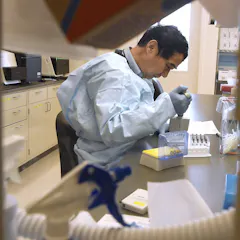
In a survey, a majority of liberals and conservatives reported that they trust doctors and the CDC to reduce US risk of a coronavirus epidemic.

COVID-19 is not the first – nor likely the last – to emerge from the two continents.

Scientists are pursuing several different avenues to develop a vaccine for the novel coronavirus, but the process could take years.

The tremendous costs of COVID-19 show why the world needs to do a better job preventing epidemics from occurring – or at least mitigate the impact.

Quarantine measures on the Diamond Princess cruise ship weren’t effective, suggests new data. So Australian passengers without symptoms are going into quarantine again.
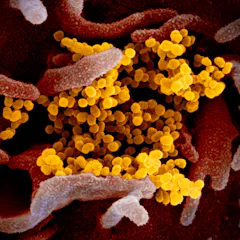
While identifying a new disease by its place of origin seems intuitive, history shows that doing so can have serious consequences for the people that live there.
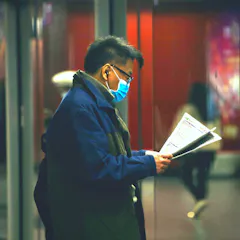
Sensationalist media coverage of the novel coronavirus risks spreading fear rather than keeping the public informed.

What’s the best way to tackle coronavirus myths and misinformation if they come up in everyday conversation?

Poor communication and misinformation is yet another way an epidemic can cause harm. So it’s important health authorities get their messaging right.

Nigeria has to plug the gaps at points of entry to keep infectious diseases at bay.
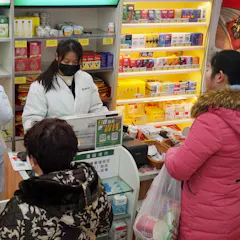
During a crisis, communities seek to come together. But quarantined residents of Wuhan at the epicentre of the coronavirus epidemic have had to show their encouragement in a different way.
Top contributors
-

Professor of Global Biosecurity, NHMRC L3 Research Fellow, Head, Biosecurity Program, Kirby Institute, UNSW
-
Director of the School of Journalism & Strategic Media, Professor of Media Studies, Middle Tennessee State University
-
Assistant Professor of History, University of Pittsburgh
-
Fellow, Nigerian Academy of Science
-
Principal Visiting Fellow & Former Deputy Director, International Institute for Global Health (UNU-IIGH), United Nations University
-
Professor of Political Studies, University of Johannesburg
-
Research Scientist, African Population and Health Research Center
-
Director, Scowcroft Institute of International Affairs and Executive Professor, Texas A&M University
-
Associate Professor of Epidemiology, Texas A&M University
-
Assistant Professor, Texas A&M University
-
Lecturer, Biomedical and Life Sciences, Lancaster University
-
Associate Professor of Biology, Penn State
-
Professor of Clinical Microbiology, University of Lagos
-
Associate Professor, Epidemiology, Deakin University
-
Lecturer in Virology, Queen's University Belfast