
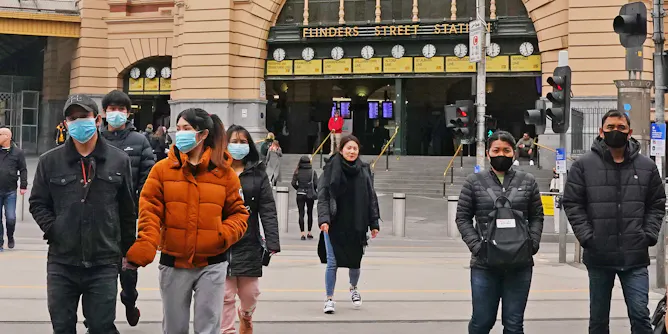
As Melbourne returns to lockdown, the evidence suggests routine mask-wearing - as seen in many countries but not so far in Australia - could be a valuable tool to help stop the spread of COVID-19.
Articles on Epidemics
Displaying 61 - 80 of 184 articles
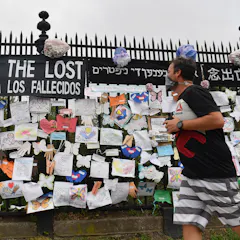
There’s no scientific definition for a wave of disease – and no evidence that the original onslaught of coronavirus in the US has receded much at all.

Public housing towers in Flemington and North Melbourne have been placed under ‘hard lockdown’, with 3,000 residents confined to home for at least five days, after 23 COVID-19 cases in 12 homes.
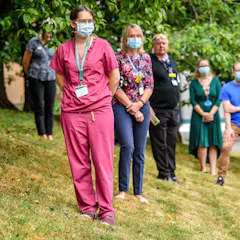
A simple computer model shows that safety measures can significantly impact both the exponential spread of COVID-19 and mortality rates.
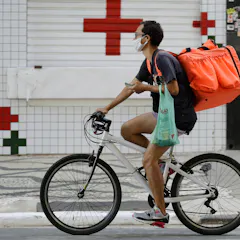
The pandemic is still raging. Health, money, work, relationships, environment have changed throughout the world, and perhaps permanently so.
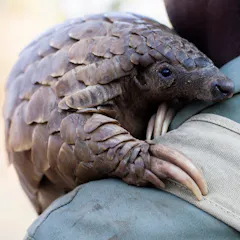
Yellow fever, malaria and Ebola all spilled over from animals to humans at the edges of tropical forests. The new coronavirus is the latest zoonosis.
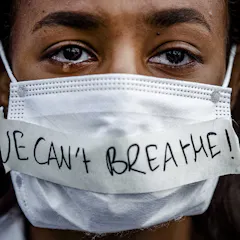
Waves of disease are often accompanied by waves of hate.
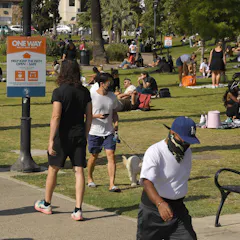
There are different types of epidemiological models. Those that rely on understanding of how disease spread are most useful now that most states have passed their peak case numbers.
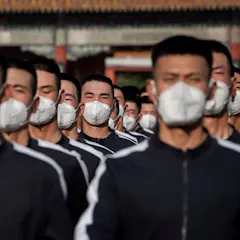
This week, our experts are looking at the major trends in post-crisis globalisation.

When two or more epidemics co-exist and compound one another to worsen health, they are said to be syndemic. COVID-19 is feeding on other crises and diseases.
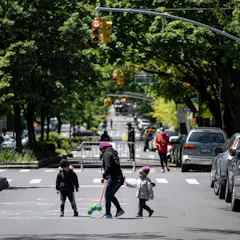
For centuries, disease outbreaks have forced cities to transform physically and operationally in ways that ultimately benefited all residents going forward.

The etymology of an epidemic.

Female leaders have shone in the response to the coronavirus pandemic but is there more to it than simply having women in charge?
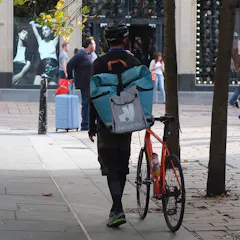
To achieve universal basic income, changes would be needed in terms of public and political support. Could the Covid-19 pandemic turn the tide?

In addition to the elderly and health workers, those holding front-line jobs are particularly exposed. Infection risk and aggravating co-morbidities could compound social inequalities in time of crisis.

Despite the best efforts of governments, schools and parents there’ll be learning losses across the board and worsened educational outcomes for the poor.

As most of the world early awaits a vaccine for COVID-19, a smaller group of people scoffs. They could spell real trouble in the effort to build widespread immunity.

Democracies such as the United States, Italy and Spain, as well as Indonesia, have so far failed to control the spread of the virus.
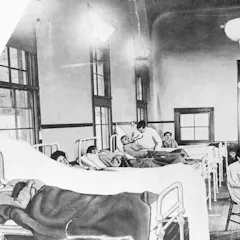
TyphoidMary is shorthand today for those who defy social distancing orders. The real Typhoid Mary is perhaps the most prominent example in the US of the unknowing disease carrier.
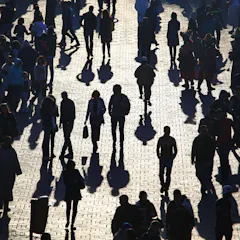
Understanding the reasons behind urban patterns of coronavirus can help improve urban resilience and sustainability.
Top contributors
-

Professor of Global Biosecurity, NHMRC L3 Research Fellow, Head, Biosecurity Program, Kirby Institute, UNSW
-
Director of the School of Journalism & Strategic Media, Professor of Media Studies, Middle Tennessee State University
-
Assistant Professor of History, University of Pittsburgh
-
Fellow, Nigerian Academy of Science
-
Principal Visiting Fellow & Former Deputy Director, International Institute for Global Health (UNU-IIGH), United Nations University
-
Professor of Political Studies, University of Johannesburg
-
Research Scientist, African Population and Health Research Center
-
Director, Scowcroft Institute of International Affairs and Executive Professor, Texas A&M University
-
Associate Professor of Epidemiology, Texas A&M University
-
Assistant Professor, Texas A&M University
-
Lecturer, Biomedical and Life Sciences, Lancaster University
-
Associate Professor of Biology, Penn State
-
Professor of Clinical Microbiology, University of Lagos
-
Associate Professor, Epidemiology, Deakin University
-
Lecturer in Virology, Queen's University Belfast