
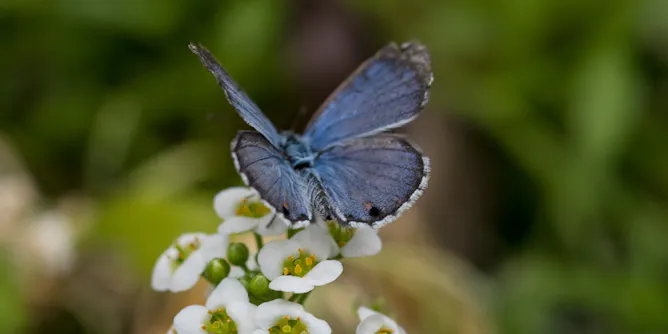
How do you pack butterflies for shipping, or frogs for an overland hike to a new habitat? Three scientists explain how they keep threatened species safe on the road and in the air.
Articles on Entomology
Displaying 81 - 100 of 109 articles

Climate change threatens to cause mass extinctions – but how, exactly? New research suggests male fertility may be the weakest link.
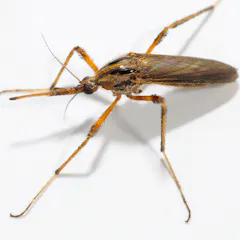
Yes, giant mosquitoes are a thing. They’re specialized to wait out the dry times only to emerge from their eggs when high water provides the perfect larval environment.
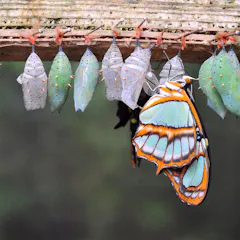
Scientists were not sure if an adult butterfly could remember things it learned as a caterpillar. Then a study by a team of US scientists found something very interesting.
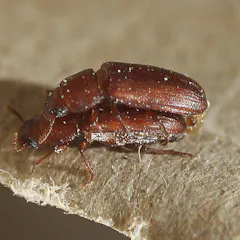
Up to half of insect sex can involve two males but our study suggests it’s probably less design and more a case of mistaken identity.

New study shows parasitic Escovopsis fungus attacks the bacteria leafcutter ants use to protect themselves.
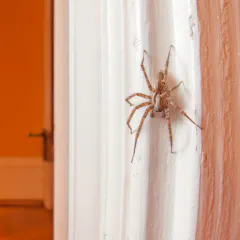
Why you should consider a live-and-let-live policy with the spiders you encounter in your home.
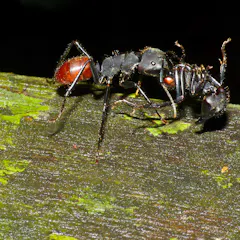
Ants produce their own antimicrobial chemicals to fight bacteria.
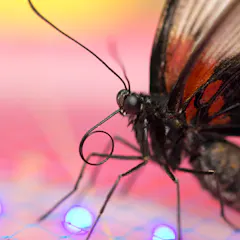
Lepidoptera insects are at least 70m years older than we previously knew.

Researchers are warning of a wipeout of huge numbers of insects. What’s the evidence behind this alarm?

Killing insects, as the Big Wasp Survey asked people to do, contributed to many vital advances in science.

The first fully industrialised war prompted many to draw parallels between human society and the insect world.
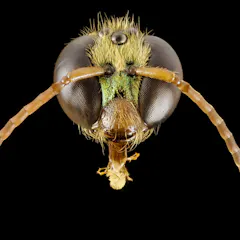
Nocturnal insects have eyes that act like cameras to enhance their light-gathering abilities.

Collecting pollen takes a surprising amount of teamwork.
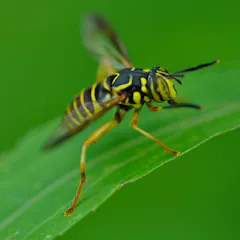
Hoverflies have evolved to trick predators into thinking they have a sting in the tail – but the predators have fought back.
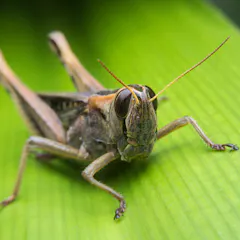
Studying the way insects hear and make their own sounds is inspiring new hearing technology.
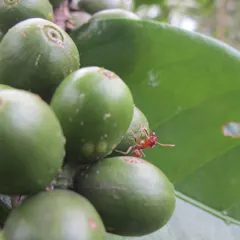
Azteca ants are self-appointed protectors of coffee plants on Mexican plantations. But they have a lot to contend with from other insects.
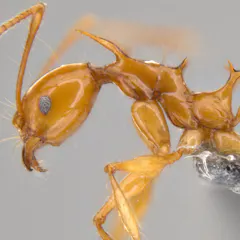
Scientists have discovered two new types of ants in the rainforests of New Guinea thanks to an advanced X-ray imaging technique.
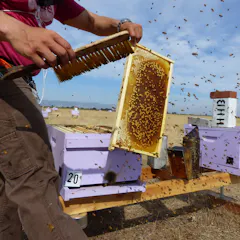
Honey bees, which pollinate many valuable crops, are threatened by parasites, pesticides and development. But selective breeding, more benign pesticides and better nutrition could help turn the tide.
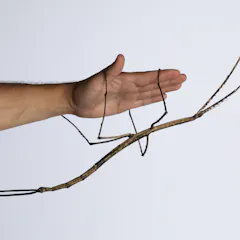
The chance discovery of an enormous stick insect has led to a breeding program that might lead to a world record for Australia.
Top contributors
-

Associate Professor in Entomology, University of Sydney
-
Postdoctoral Researcher in Mycology, West Virginia University
-
Lecturer, School of Life and Environmental Sciences, University of Sydney
-
Senior Ecologist, University of Sydney
-
Emeritus Professor of Biology, University of Bath
-
Senior Research Scientist of Ecology and Evolutionary Biology, University of Connecticut
-
Assistant Professor of Ecology and Evolutionary Biology, University of Connecticut
-
Professor of Behavioural Ecology, UCL
-
Senior Lecturer
-
Professor and Department Head, Entomology and Plant Pathology, University of Tennessee
-
PhD Candidate in evolution, behaviour, ecology and entomology, University of East Anglia
-
Lecturer in Biological Sciences, University of Wollongong
-
Professor of Biological Sciences, Florida International University
-
PhD Candidate in Zoology, University of Otago
-
Professor of Conservation Ecology, University of Gloucestershire