
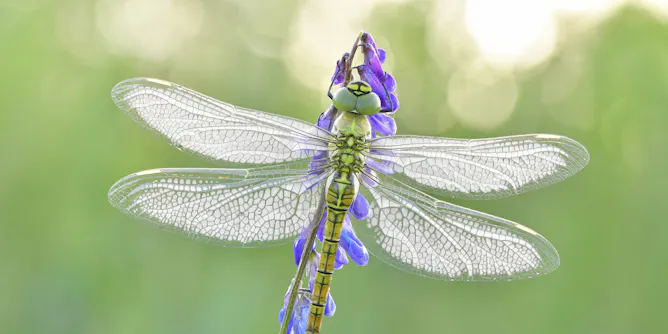
When we lose insect species without even knowing they existed, we will never know where they lived, what they looked like, how they interacted with other species or the impact they had on ecosystems.
Articles on Butterflies
Displaying 1 - 20 of 76 articles
Conservation cannot only protect habitats where species once lived – it must include the places where they will relocate in a warming world.

Heliconius butterflies eat high-protein pollen and seem to age well.

Many insects in Africa are likely to face dangerous levels of heat stress, with serious consequences for ecosystems.

A global butterfly index could help track butterfly populations worldwide and how environmental changes are impacting them.

Prepping for a job interview or giving a speech at your best mate’s wedding? Here’s why your tummy’s a-flutter.

In his rollicking scientific true-crime book, The Butterfly Thief, Walter Marsh delves into the dark side of museum collection histories – and one bizarre heist.
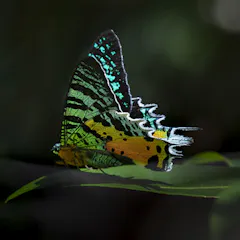
With the warmer weather come more of these fluttering insects – which can be easily confused with each other.
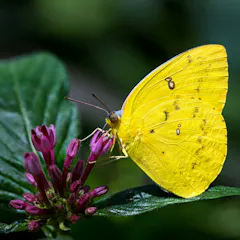
Urban sprawl has forced native animals and humans to live close together. Here are eight ways to make your home a refuge for wildlife.
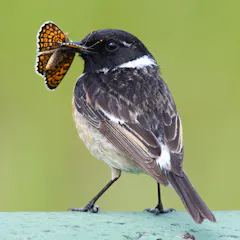
A global experiment has helped explain why some animals use stealthy patterns to hide from predators, while others use warning colours to avoid being eaten.
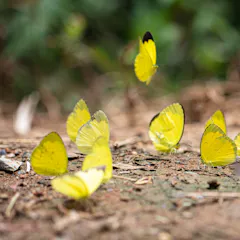
The research suggests the life-support system underpinning the tropics is at serious risk in a warmer world.
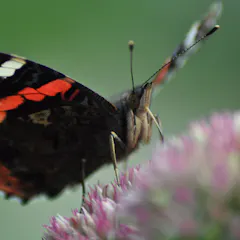
Following on from ‘the year without a butterfly’, 2025 has seen sightings soar in the UK and across Europe.
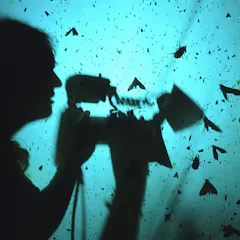
Miller moths migrate through the state every summer and are sometimes considered to be a pest.

The causes involve more than just habitat loss, but there are steps you can take to help save these delicate creatures
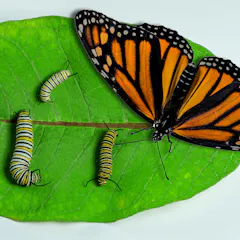
Will protecting monarch butterflies under the Endangered Species Act improve their chance of surviving? Not necessarily, 2 entomologists caution.
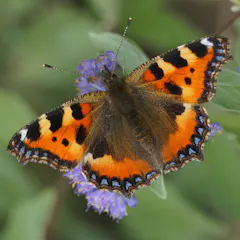
The Big Butterfly Count reported its worst results in 14 years of monitoring UK species.
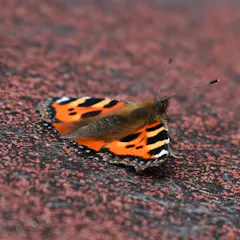
Butterflies bruised by rain and gales are hunkering down hoping for pleasant weather.

About a third of insects attracted to artificial lights die by morning, often from exhaustion. But we can help them, and the vital ecosystems they serve, by reducing light pollution.

You’ll never look at spiders the same way.

Some butterflies are expanding their ranges as the climate changes, others are dwindling.
Top contributors
-

Former Postdoctoral Research Associate
-
PhD Candidate in Zoology, University of Otago
-
Associate Professor, Australian National University
-
Associate Professor in Botany, University of Otago
-
Lecturer in Ecology, University of New England
-
Associate Professor in Entomology, University of Sydney
-
Postgraduate Researcher in Conservation Ecology, The Open University
-
Associate Professor in Ecology, Northumbria University, Newcastle
-
Senior Collections Manager at McGuire Center for Lepidoptera & Biodiversity at Florida Museum of Natural History, University of Florida
-
PhD student, University of Oxford
-
Postdoctoral Fellow, University of California, Davis
-
Curator of Zoological Collections and Assistant Professor, Western University
-
Adjunct Assistant Professor of Ecology, Evolution and Organismal Biology, Iowa State University
-
Lecturer of Physical Chemistry (Nanocrystals and Nanoparticles), Bangor University
-
Senior Lecturer in Biological and Environmental Sciences, University of Stirling