

Two food scientists, an entomologist, an anthropologist, a veterinarian and a historian walk into a bar (of chocolate) and tell bitter and sweet stories of this favorite treat.
Articles on Entomology
Displaying 41 - 60 of 109 articles
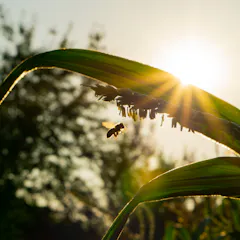
New research from China shows how the loss of insects is destabilising food webs.
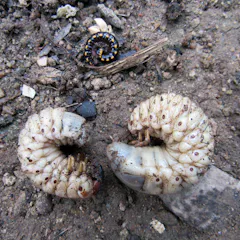
Many gardeners worry these large larvae might damage plants. But before you squish them, read this.
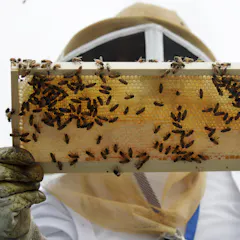
A vaccine for bees may evoke images of teeny hypodermic needles, but this product works in a sophisticated way that reflects the social structure of honeybee colonies.
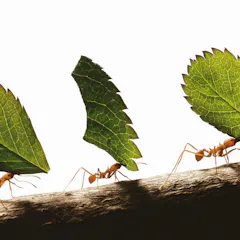
Over hundreds of million years of evolution, ants have come up with some pretty smart solutions to problems of agriculture, navigation and architecture. People could learn a thing or two.
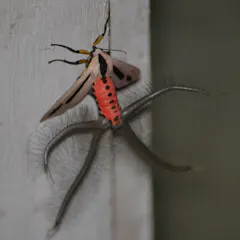
Invertebrates are the most abundant animals on our planet – and the vast majority are nothing to be afraid of, despite their appearances.
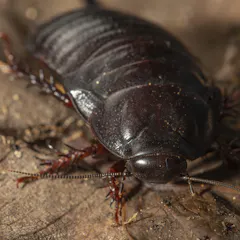
A small congregation of the cockroaches was under the first rock scientists looked under, by sheer accident.

Recent studies suggest that the mind of a bee is far more sophisticated than once believed.
Ant feet are equipped with an array of tools – from retractable sticky pads to claws to special spines and hairs – enabling them to defy gravity and grip virtually any surface.

The son of a formerly enslaved mother, Charles Henry Turner was the first to discover that bees and other insects have the ability to modify their behavior based on experience.
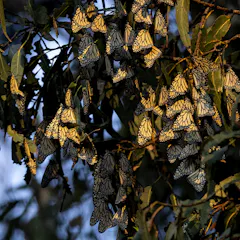
The iconic monarch butterfly has been added to the Red List of endangered species, but hasn’t received protection in the US yet. That’s not necessarily a bad thing.
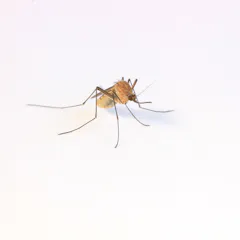
Mosquitoes are commonplace in summer but where do they go once the weather cools? They don’t completely disappear but find fascinating ways to survive the winter.
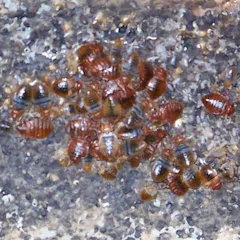
Bed bugs are pretty much universally reviled. But a public health entomologist explains how – while potentially traumatizing to deal with – they aren’t likely to make you sick.
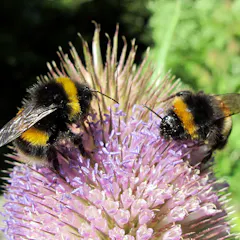
Bees offer insights into many scientific questions, from cooperating in close quarters to strategies for finding food.
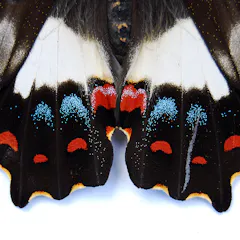
There are 900,000 described species of insects in the world. Field guides help us make sense of them.
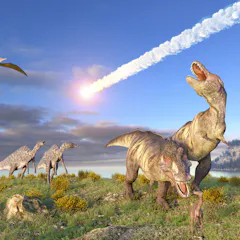
Cockroaches have been on Earth far longer than humans and may outlast us. Here are a few reasons why.

A fly does some of its digesting outside its body before it even eats any food.
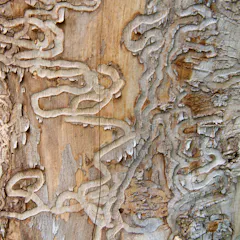
Biological control strategies curb pests using other species that attack the invader. A biologist explains why it can take more than a decade to develop an effective biological control program.
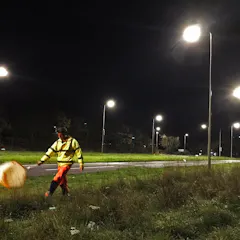
The increasing prevalence of white LED streetlamps spells worrying population declines for insects like moths.
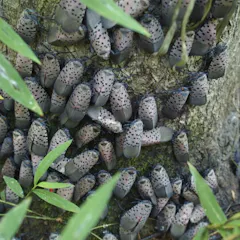
The spotted lanternfly, native to Asia, is spreading fast since arriving in the United States seven years ago. An entomologist explains why this is a big problem.
Top contributors
-

Associate Professor in Entomology, University of Sydney
-
Postdoctoral Researcher in Mycology, West Virginia University
-
Lecturer, School of Life and Environmental Sciences, University of Sydney
-
Senior Ecologist, University of Sydney
-
Emeritus Professor of Biology, University of Bath
-
Senior Research Scientist of Ecology and Evolutionary Biology, University of Connecticut
-
Assistant Professor of Ecology and Evolutionary Biology, University of Connecticut
-
Professor of Behavioural Ecology, UCL
-
Senior Lecturer
-
Professor and Department Head, Entomology and Plant Pathology, University of Tennessee
-
PhD Candidate in evolution, behaviour, ecology and entomology, University of East Anglia
-
Lecturer in Biological Sciences, University of Wollongong
-
Professor of Biological Sciences, Florida International University
-
PhD Candidate in Zoology, University of Otago
-
Professor of Conservation Ecology, University of Gloucestershire