
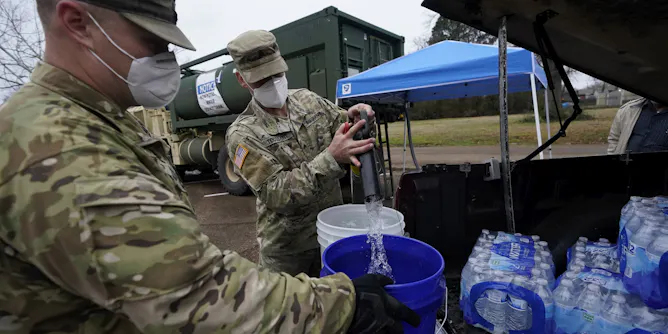
Shoring up surveillance and response systems and learning lessons from how the COVID-19 pandemic unfolded will help the world be ready the next time around.
Articles on Emergency management
Displaying 21 - 37 of 37 articles

Victoria currently has three avian influenza outbreaks across six farms. They are being treated as an emergency. Here’s how authorities are responding.
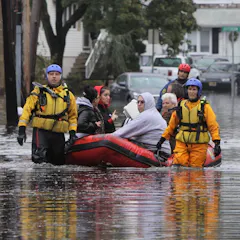
The US faces a high risk of hurricanes and other disasters this year that could leave thousands of people in need of shelter. COVID-19 will make those disasters more dangerous to manage.
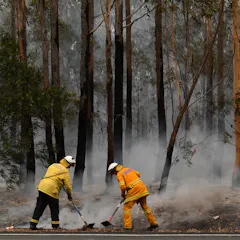
As this horrific summer of disaster continues to unfold in coming weeks, we need to overhaul our emergency management plan.
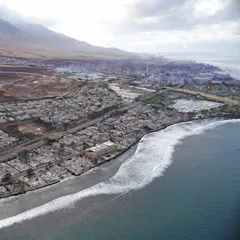
Hotels are helping the Hawaiian island of Maui recover from the catastrophic impact of wildfires, just as they have in Florida following hurricanes.
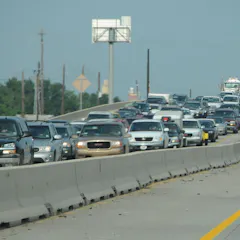
Why did some Texas coastal cities order mandatory evacuations ahead of Hurricane Harvey while others, including Houston, did not? There is no formula for these decisions; either choice can backfire.

A multibillion-dollar effort is just beginning to build an all-new nationwide wireless broadband network for emergency responders. How will it work, why do we need it and how will it last 25 years?
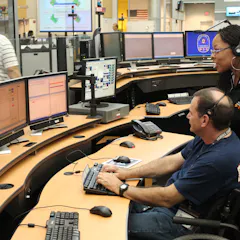
‘Denial of service’ cyberattacks are increasingly used to shut down websites. New research reveals that 911 call centers are vulnerable to the threat as well.
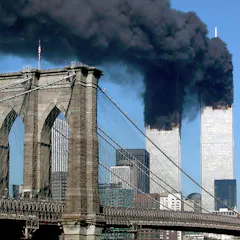
What we and other responders learned that day would go on to spark major changes in U.S. emergency response efforts.

A group of activists is seeking to build a special community as an alternative response to the so-called migration crisis.

The solution to emergency communications: redundancy, redundancy, redundancy.

Twitter users caught up in any emergency situation are usually quick to share their experience with followers. That information can be useful to authorities.
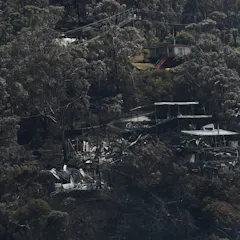
The Christmas Day fires that struck the Victorian town of Wye River are an example of how to get emergency responses right.
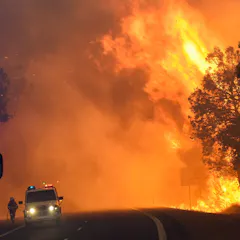
Why do people still die in bushfires? Recent fires have triggered a debate about emergency warnings.
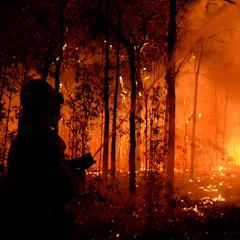
When disaster strikes, more people than ever are turning to social media to find out if they’re in danger. But Australian emergency services need to work together more to learn what works to save lives.

Papua New Guinea is now facing a drought and frosts that look set to be worse than 1997, when hundreds of people died. So how can memories of 1997 save lives over the next few months?
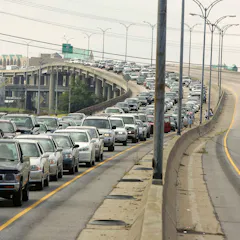
Hurricanes can be deadly to those in their path. Officials don’t want to unnecessarily alarm before solid forecasts are in place, but residents need enough time to prepare and heed evacuation orders.
Top contributors
-

Associate Professor of Disaster and Emergency Management, York University, Canada
-
Associate Professor, Applied Disaster and Emergency Studies Department, Brandon University
-
Associate Professor of Emergency Medicine, The Ohio State University
-
Associate Professor of Geospatial Engineering, UNSW
-
Professor of Emergency Medicine, The Ohio State University
-
Eugene M. Isenberg Chair in Integrative Studies, UMass Amherst
-
Associate Professor of Global and Sociocultural Studies, Florida International University
-
Professor of International Politics, University of Warwick
-
Ph.D. Candidate in Information Systems Engineering, Ben-Gurion University of the Negev
-
Professor of Information Systems Engineering, Ben-Gurion University of the Negev
-
Professor of Electrical, Computer and Biomedical Engineering, University of Hartford
-
Professor, Digital Media Research Centre, Queensland University of Technology
-
Assistant Professor, Faculty of Medicine, L’Université d’Ottawa/University of Ottawa
-
Team Leader, Bushfire Urban Design, CSIRO
-
Senior research fellow, The University of Melbourne