
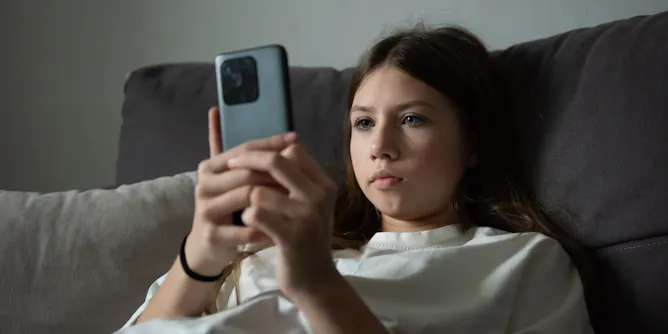
They might seem like harmless fun but in fact they can reinforce dangerous ideas about food, weight and body image.
Articles on Eating disorders
Displaying 21 - 40 of 133 articles

From elite athletes to amateurs, eating disorders are too often praised as ‘discipline’.

Doctors often miss the signs of eating disorders in middle-aged women due to cultural stereotypes around these illnesses.

What might be causing this heightened risk? There are probably several factors at play.

New research finds that calories on menus are harmful for those with eating disorders.

The holiday season’s focus on food and over-indulgence can be difficult for those who struggle with disordered eating.

More than 1.1 million Australians are estimated to be living with an eating disorder. Around a third of these people are also neurodivergent.

Our new study found watching just eight minutes of TikTok content focused on dieting, weight loss and exercise had an immediate negative effect on body image satisfaction for young women.

‘Body swapping’ may help people get a clearer idea of what their own bodies are really like.

A fixation with healthy eating could harm your health.

A growing body of research points to links between social media use and mental health harms, but establishing clear cause and effect is difficult.

Research shows climate change carries greater risks for unborn babies than previously thought. Some of the alarming effects of global warming may include worsening health and wellbeing in later life.

Psilocybin, commonly known as magic mushrooms, has shown promise in treating anorexia in early studies, mostly in rats. But more research is needed to test if it’s safe and effective in humans.

Parents and other supportive adults can learn to recognize young people’s symptoms of disordered eating, which is a spectrum of unhealthy eating patterns and behaviour.

Although most Americans believe dietary supplements are safe, these products often make health claims that are unproven or downright false.

A clinical psychologist who treats young people with eating disorders gives her verdict on changes to the Australian curriculum designed to prevent these mental health conditions developing.
The demand for off-label weight loss drugs like Ozempic is concerning, because of the impact on weight stigma and the health risks of unsupervised weight loss, including developing eating disorders.
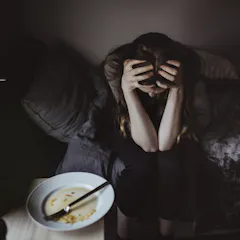
Many people with eating disorders die from suicide. Improving perception of internal body states, or interoception, can help everyone better care for their own bodies.

You likely know that the sight and smell of food can trigger cravings. But internal cues from your gut and your brain play just as important a role in the decisions you make around food.

Can psychedelics assist in recovery from eating disorders? The findings are promising, but patients and doctors need to proceed with caution until there is additional and extensive research.
Top contributors
-

Clinical Psychologist and Senior Lecturer in Psychology, University of Canberra
-
Assistant Professor of Psychiatry, University of Colorado Anschutz
-
Professor, Head of Body Image, Eating and Weight Disorders Research, Adelaide University
-
Professor of Psychology, Flinders University
-
Senior Lecturer in Clinical Psychology, University of the Sunshine Coast
-
Senior Lecturer in Clinical Psychology, University of the Sunshine Coast
-
Research Fellow, School of Psychological Sciences, Monash University
-
Associate Professor in Health and Physical Education, Victoria University
-
Assistant Professor of Pediatrics, University of Virginia
-
Associate Professor of Clinical Psychology, University of Reading
-
Assistant Professor of Pediatrics, University of Virginia
-
Professor of TV Studies, University of East Anglia
-
Senior Lecturer, Psychology, Bournemouth University
-
Senior Research Fellow, The University of Melbourne
-
Professor of Health Psychology, University of Surrey