
Seeing a loved one lose significant weight or struggle with eating and exercise can be concerning. Approaching a conversation with respect and care can avoid the harms of speculation and silence.
Articles on Anorexia
Displaying 1 - 20 of 46 articles
Sensationalizing extreme behaviors like self-starvation and ‘bonesmashing’ rather than treating them as mental health symptoms can prevent boys and young men from getting much-needed care.

Recovery typically focuses on a checklist of clinical symptoms. But a new study shows we may be missing what’s most important to those who live with an eating disorder.
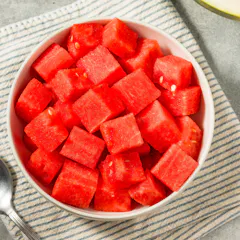
Restrictive diets of rice, pineapple or artichoke can cause sudden weight loss – but they aren’t healthy.
Disordered eating doesn’t always lead to an eating disorder. But these behaviours – especially dieting – can be the first sign.
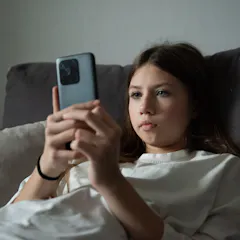
They might seem like harmless fun but in fact they can reinforce dangerous ideas about food, weight and body image.
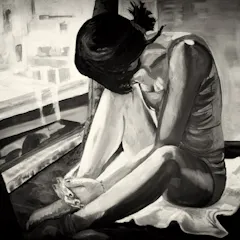
Doctors often miss the signs of eating disorders in middle-aged women due to cultural stereotypes around these illnesses.
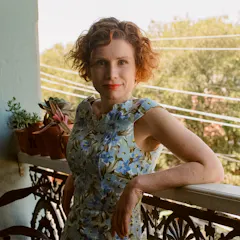
It wasn’t until she’d been in the medical system for around 17 years, being treated for anorexia, that Fiona Wright was diagnosed as autistic.

Our new study found watching just eight minutes of TikTok content focused on dieting, weight loss and exercise had an immediate negative effect on body image satisfaction for young women.
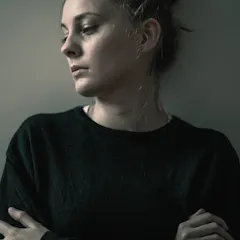
Psilocybin, commonly known as magic mushrooms, has shown promise in treating anorexia in early studies, mostly in rats. But more research is needed to test if it’s safe and effective in humans.

Actor Jameela Jamil recently revealed that 20 years of dieting had left her with poor bone density.
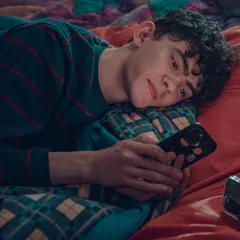
Heartstopper is a celebration of ‘queer joy’ that uses the imaginative intimacy of graphic novels to invite the reader into its tight-knit world.
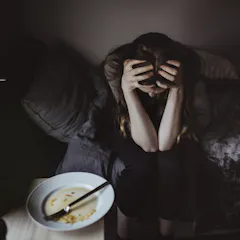
Many people with eating disorders die from suicide. Improving perception of internal body states, or interoception, can help everyone better care for their own bodies.
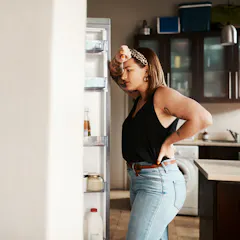
Thinking about food all day, feeling guilty when you eat, not knowing when you’re actually hungry: these could be signs you need to work on your relationship with food.

When it comes to treating people with eating disorders, we may need to look more widely than what studies tell us work.
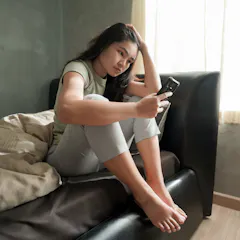
Eating disorders in teens are common and dangerous, and parents and loved ones play a crucial role in helping to both identify concerning behaviors and promote healthy ones.
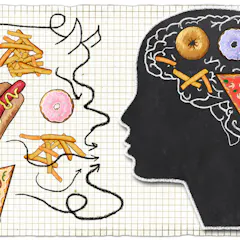
The mortality rate of people with eating disorders is six times higher than the general population, and they are five times more likely to attempt suicide. However, few people seek treatment.
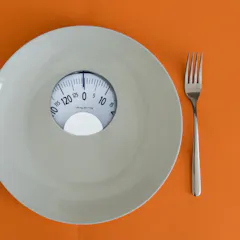
Eating disorders are often misunderstood, but earlier treatment improves outcomes. Let’s dispel some myths, learn how to recognize eating disorders and what to do if someone you love is struggling.
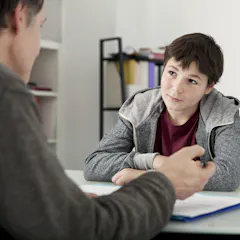
By integrating parents and other family members in therapy, young people will have more consistent support between the therapist’s office and their home.
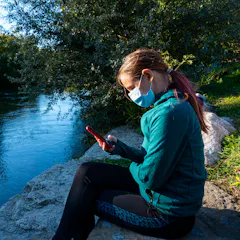
Presentations to a Melbourne eating disorder clinic jumped by 63% in 2020, as young people struggled with isolation, loneliness and boredom.
Top contributors
-

Professor of Psychology, Flinders University
-
Senior Lecturer in Clinical Psychology, University of the Sunshine Coast
-
Emeritus Professor, School of Psychology and Public Health, La Trobe University
-
Professor of Education, Brunel University of London
-
Professor of TV Studies, University of East Anglia
-
Director, Unit for History and Philosophy of Science, University of Sydney
-
Visiting scholar, Literature and Mind Center, Department of English, University of California, Santa Barbara, University of California, Santa Barbara
-
Research Associate, University of Cambridge
-
Senior Lecturer in Psychology, University of Sunderland
-
Professor in Psychology, Bond University
-
Professor of Developmental Psychopathology, University of Cambridge
-
PhD Candidate, School of Psychology and Public Health, La Trobe University
-
Senior Lecturer, City St George's, University of London
-
PhD candidate in marketing and men's health, University of Salford
-
Associate Professor in Health and Physical Education, Victoria University