

Recovery typically focuses on a checklist of clinical symptoms. But a new study shows we may be missing what’s most important to those who live with an eating disorder.
Articles on Bulimia
Displaying 1 - 20 of 27 articles

Disordered eating doesn’t always lead to an eating disorder. But these behaviours – especially dieting – can be the first sign.

Cannabis hyperemesis syndrome — with severe vomiting, abdominal pain and temporary relief through compulsive hot bathing — is increasingly affecting adolescents and young adults.

Doctors often miss the signs of eating disorders in middle-aged women due to cultural stereotypes around these illnesses.

Antidepressants aren’t only useful for managing depression symptoms.

Thinking about food all day, feeling guilty when you eat, not knowing when you’re actually hungry: these could be signs you need to work on your relationship with food.

Eating disorders in teens are common and dangerous, and parents and loved ones play a crucial role in helping to both identify concerning behaviors and promote healthy ones.
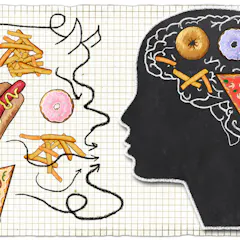
The mortality rate of people with eating disorders is six times higher than the general population, and they are five times more likely to attempt suicide. However, few people seek treatment.
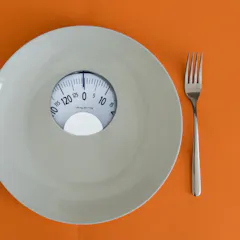
Eating disorders are often misunderstood, but earlier treatment improves outcomes. Let’s dispel some myths, learn how to recognize eating disorders and what to do if someone you love is struggling.

Eating disorder ‘communities’ online can be dangerous places for young and impressionable teens. And social media algorithms further spread harmful content.

Mirror exposure therapy might actually exacerbate some symptoms for people with eating disorders.

People with eating disorders often struggle with staying in control. For many, the pandemic took away control. A health scholar shares her story of how that loss of control affected her bulimia.

Data from England has found no link between increased social media use and a rise in diagnosed eating disorders.

New research has found several physical and mental health indicators that often appear before an eating disorder diagnosis.

Perfectionists have a higher chance of developing bulimia nervosa. Rather than treating symptoms of binge eating and vomiting, therapists should address this underlying personality trait.

Anorexia nervosa can be a deadly disease. A recent analysis of several studies showed that it may be even harder to treat than previously believed. But the news isn’t all bad.

Is the belief in art’s healing power just wishful thinking, or is there something to it?

In a diet-obsessed culture, eating disorders pose a severe threat. While the reasons for the disorders are varied, a consistent approach in treatment can help people stop dieting and feel safe.

Instagram can offer a supportive online community to people recovering from eating disorders. It can also reinforce stereotypes of eating disordered bodies.

A new psychological intervention can help any parents - even those crippled by fear and self-blame - to become powerful recovery coaches to children with eating disorders.
Top contributors
-

Clinical Psychologist and Professor in the Department of Psychology and Neuroscience, Dalhousie University
-
Course Leader in Contemporary Education, Brunel University of London
-
Emeritus Professor, School of Psychology and Public Health, La Trobe University
-
Professor of Psychology, Flinders University
-
Associate Professor, The University of Melbourne
-
Associate Professor in Health and Physical Education, Victoria University
-
Researcher, King's College London
-
PhD candidate in the Department of Family Relations and Applied Nutrition, University of Guelph
-
Senior Lecturer in Psychology, Loughborough University
-
Associate Professor of Psychology, Laurentian University
-
Professor of Education, Brunel University of London
-
Professor in Psychology, Bond University
-
PhD Candidate, School of Psychology and Public Health, La Trobe University
-
Associate Dean, School of Education, Drake University
-
Assistant Professor of Psychiatry, University of California, San Francisco