

Seeing a loved one lose significant weight or struggle with eating and exercise can be concerning. Approaching a conversation with respect and care can avoid the harms of speculation and silence.
Articles on Anorexia nervosa
Displaying 1 - 20 of 31 articles
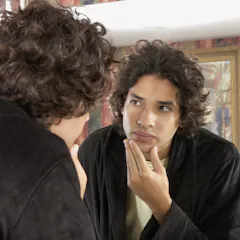
Sensationalizing extreme behaviors like self-starvation and ‘bonesmashing’ rather than treating them as mental health symptoms can prevent boys and young men from getting much-needed care.

They might seem like harmless fun but in fact they can reinforce dangerous ideas about food, weight and body image.

Psilocybin, commonly known as magic mushrooms, has shown promise in treating anorexia in early studies, mostly in rats. But more research is needed to test if it’s safe and effective in humans.
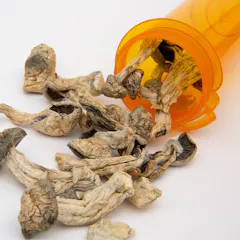
Can psychedelics assist in recovery from eating disorders? The findings are promising, but patients and doctors need to proceed with caution until there is additional and extensive research.

Although under represented in research, about one third of people with an eating disorder are male. Netflix show Heartstopper explores this in season two.

When it comes to treating people with eating disorders, we may need to look more widely than what studies tell us work.

Eating disorders in teens are common and dangerous, and parents and loved ones play a crucial role in helping to both identify concerning behaviors and promote healthy ones.
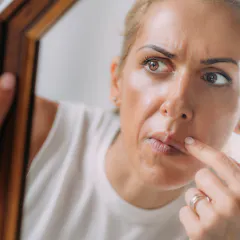
About a quarter of those with body dysmorphic disorder attempt suicide or struggle with ideas of suicide. Fortunately, medication and therapy have proved highly effective at treating the disorder.

Some eaters have strong sensory sensitivities. Others find eating a chore or develop rigid beliefs around ‘good’ and ‘bad’ foods.
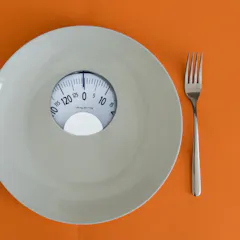
Eating disorders are often misunderstood, but earlier treatment improves outcomes. Let’s dispel some myths, learn how to recognize eating disorders and what to do if someone you love is struggling.

Boys, LGBTQ youth and people with normal body mass index are often overlooked when it comes to recognizing eating disorders, a physician and psychotherapist explain.

By integrating parents and other family members in therapy, young people will have more consistent support between the therapist’s office and their home.
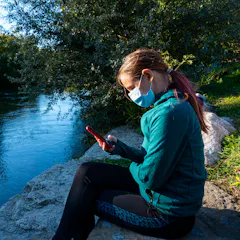
Presentations to a Melbourne eating disorder clinic jumped by 63% in 2020, as young people struggled with isolation, loneliness and boredom.

Data from around the world, including Australia, indicate the pandemic has made things more difficult for people with eating disorders for a variety of reasons.
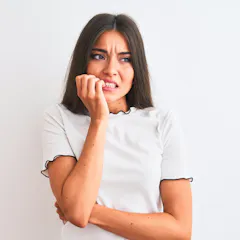
Anxious teenage girls are more likely to fast – one of the symptoms of anorexia nervosa.

As Australia considers its next national mental health survey, it’s crucial to include eating disorders. If we don’t have good data on how many people are suffering, we can’t come up with solutions.

Data from England has found no link between increased social media use and a rise in diagnosed eating disorders.
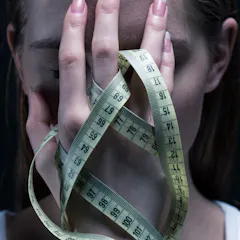
New research has found several physical and mental health indicators that often appear before an eating disorder diagnosis.
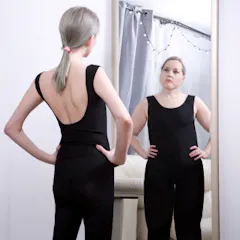
Anorexia nervosa can be a deadly disease. A recent analysis of several studies showed that it may be even harder to treat than previously believed. But the news isn’t all bad.
Top contributors
-

Senior Research Fellow, The University of Melbourne
-
Clinical Psychologist and Senior Lecturer in Psychology, University of Canberra
-
Associate Professor in Health and Physical Education, Victoria University
-
Associate Professor in Human Visual Perception, Macquarie University
-
PhD candidate in marketing and men's health, University of Salford
-
PhD candidate in the Department of Family Relations and Applied Nutrition, University of Guelph
-
Lecturer in Law, Curtin University
-
Professor of TV Studies, University of East Anglia
-
Associate Professor, The University of Western Australia
-
Professor of Economics, University of Michigan
-
Researcher, King's College London
-
Assistant Professor of Psychiatry, University of California, San Francisco
-
Professor of Psychology, Flinders University
-
Associate Professor of Psychology, Laurentian University
-
Associate Professor, The University of Melbourne