

Treatments for uncomplicated malaria remain mostly robust. But the arsenal against severe malaria and deaths is rapidly weakening. New options are urgently required.
Articles on Drug resistance
Displaying 21 - 40 of 63 articles

Antimicrobial resistance kills around 700,000 people worldwide annually. It is a top-ten global health threat.

Discovery of a new antibiotic compound from a Nigerian environment is good news for researchers in this field.
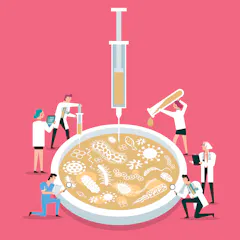
Antibiotic resistance is one of the biggest public health threats in the world. New research, however, may have found a way to keep up with rapidly evolving bacteria.
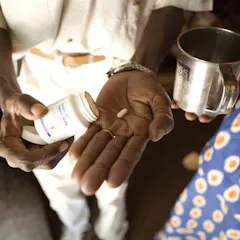
There are currently 1.2 million Ugandans enrolled on antiretroviral therapy (ART). They are especially affected by the lockdown.
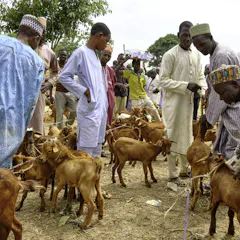
The presence of multi drug-resistant bacteria in goats and sheep in southwest Nigeria may be due to regular use of antibiotics and unhygienic practices by farmers.

A CSIRO survey has found many people are confused about common infections, believing antibiotics can treat colds, flu and other viruses. This could fuel a dangerous rise in drug-resistant superbugs.
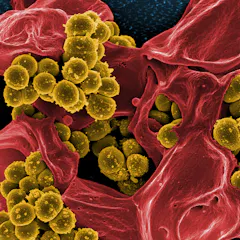
Pathogens rapidly evolve resistance to antibiotics. AI could keep us a step ahead of deadly infections.

Bioinformatics can be applied to a range of problems, such as understanding the genome sequence of organisms or coming up with new drugs.

Antibiotic resistance is one of the greatest health challenges we face today. But making a few small changes to the way antibiotics are prescribed could make a big difference in Australia.
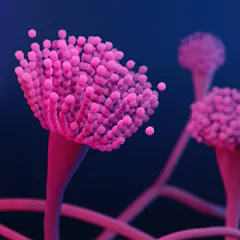
Mention fungi and most people think of eating mushrooms or yeasts in bread or beer. But fungi are now on the CDC’s list of public health threats as the number of deadly infections they cause rise.

The aim is to discover, develop and facilitate delivery of anti-malarial medicines to help tackle the burden of malaria in endemic countries and support malaria eradication.
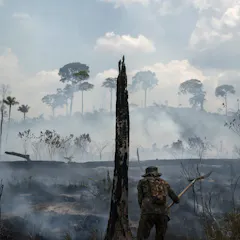
Destruction of rainforests through wildfires or deforestation may harm human health. As these forests disappear, we may be losing precious medicinal plants that hold treatments for various diseases.

As antibiotic resistance increases globally, the heat is on to find new alternatives to treat infections. Chemists can get a head start by looking at compounds produced in nature by fishes’ microbes.
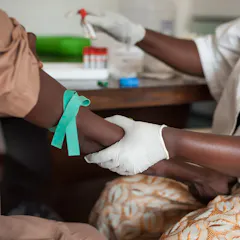
Gene sequences can be manipulated to prevent certain diseases and improve public health.
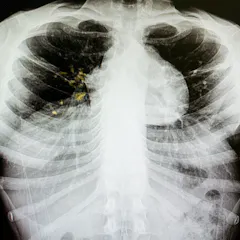
Using a large number of computers to screen TB drugs reduces the cost and time.

Cancer is the second leading cause of death globally. Mathematicians have joined the fight, developing models to both test cancer drug combinations and understand chemotherapy drug resistance.

Malaria is a major public health problem that affects 106 countries globally. A rigorous and systematic approach to predict and control malaria transmission is needed.
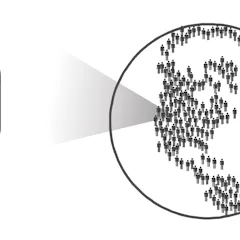
New genetic technologies are letting us look at flu evolution right where it starts: within individual people, while they’re sick.
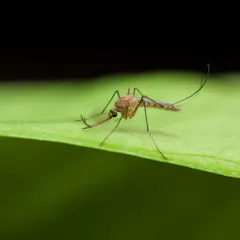
Genetic analysis is getting cheaper and can provide real-time surveillance of drug resistance.
Top contributors
-

Principal Research Scientist, National Institute for Medical Research (NIMR)
-
Associate Professor, SARChI Research Chair in Mycobactomics, Stellenbosch University
-
Associate Professor of Biomedical Engineering, University of Michigan
-
Director of Science, Ifakara Health Institute
-
Chief Research Officer, Kenya Medical Research Institute
-
Postdoctoral Fellow in Bioinformatics, University of the Western Cape
-
Investigator, KwaZulu-Natal Research Institute for TB-HIV (K-RITH), Associate Professor in the Department of Medical Microbiology at the Nelson R. Mandela School of Medicine, University of KwaZulu-Natal
-
Senior Scientist, Infectious Diseases Data Observatory, University of Oxford
-
South African Research Chair in Antibiotic Resistance and Professor in Pharmaceutical Sciences, University of KwaZulu-Natal
-
Doctoral Student in Genome Sciences, University of Washington
-
Postdoctoral Research Fellow, Molecular Parasitology, Department of Biochemistry, University of Pretoria
-
Senior Lecturer in Parasite Epidemiology, School of Natural and Environmental Sciences, Newcastle University
-
Postdoctoral research fellow in the MRC Centre for Tuberculosis Research, Stellenbosch University
-
Professor, School of Biosciences, The University of Melbourne
-
Senior Research Fellow, Oxford Uehiro Centre for Practical Ethics, University of Oxford