
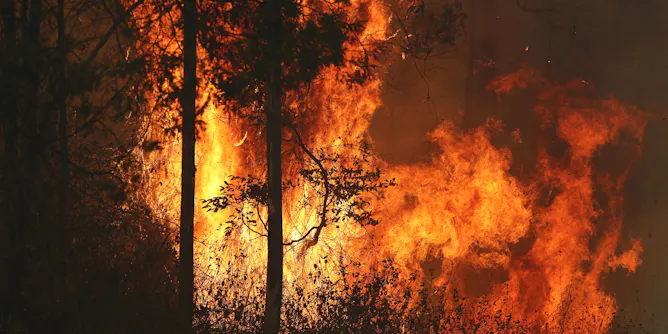
The best way to inoculate the public against climate disinformation campaigns is to tell them what’s coming.
Articles on Disinformation
Displaying 321 - 340 of 348 articles

We found about 300 suspicious Twitter accounts, which we suspect included a high proportion of bots and trolls pushing the #ArsonEmergency narrative.
Information warfare has gone global. Here are some recent campaigns, and a couple of ideas about how to fight back.

Members of the research team that wrote the software that unmasked thousands of Twitter bots explain the next phase of their work: getting the public involved in the fight against disinformation.
The Russians won’t be alone in spreading disinformation in 2020. Their most likely imitator will be Iran. Also, Instagram could get even more infected with intentional misinformation than it has been.

Human rights activists, legal experts and others fear these laws have the potential to be misused to stifle free speech or unintentionally block legitimate online posts and websites.
Collaborations between the government, communities, and social media platforms are essential to establish a successful national digital literacy movement
With the launch of the Libra cryptocurrency, Mark Zuckerberg reveals his dreams of building a new virtual country, perhaps inspired by the Roman Empire.
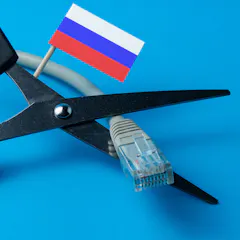
Vladimir Putin’s complaints about Western power over telecommunications echo – if not co-opt – concerns raised by less powerful nations for decades.

When artificial intelligence systems try to behave like humans and make mistakes, they show their limits – but also their startling advances.
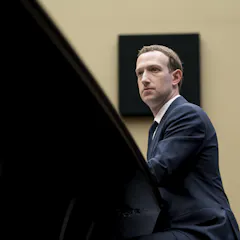
CEO Mark Zuckerberg’s claimed intent to focus on privacy will be hard to execute, will not happen soon and does not address major concerns about the company’s role in society.
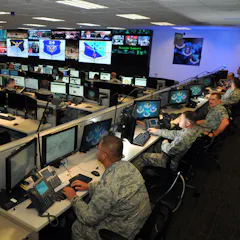
A new strategy for U.S. Cyber Command seeks to block enemies from achieving their objectives – but may not be successful, and could have unforeseen consequences.

Research in Indonesia shows that people’s age, education levels and gender do not determine their likelihood to share fake news. Internet spending does.
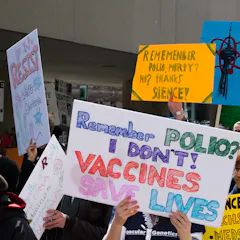
Effective communication strategies will be crucial if scientists want to counter the worrying anti-vaccination trend.
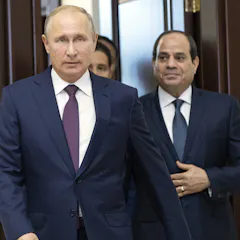
Russia’s efforts to sow discord, discontent and chaos extend far beyond the US, including into leading media outlets in the Arab world.
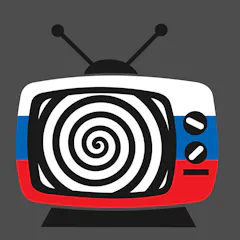
European countries, especially the Baltic states of Estonia, Latvia and Lithuania, have confronted Russian disinformation campaigns for decades. The US can learn from their experience.

Protect yourself from hackers, trolls, bots, social media executives and programmers in need of ethics training.

Disinformation in Africa often takes the form of extreme speech inciting violence and spreading racist, misogynous, xenophobic messages.
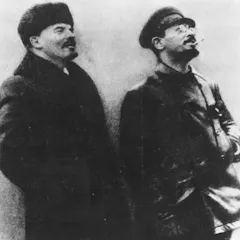
Forged documents were used by the US government 100 years ago to justify hostile actions against Russia. All but one US newspaper accepted the government’s propaganda. The lessons for today are stark.
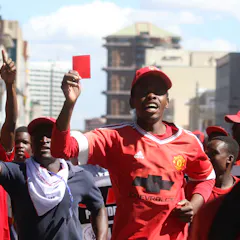
Zimbabwe’s upcoming elections potentially marks the start of a new order in the country, where the stakes are extremely high.
Top contributors
-

Professor and Chair, Department of Journalism, Stellenbosch University
-
Associate Research Professor of Social Psychology, Louisiana State University
-
Chair of Cognitive Psychology, University of Bristol
-
Lecturer in Journalism and Global Communication, University of Sheffield; Independent Social Research Foundation
-
Professor of Informatics and Computer Science, Indiana University
-
Professor of Human Centered Design & Engineering, University of Washington
-
Professor of AI and Behavioral Data Science, University of Technology Sydney
-
Associate Professor in Digital Media, Queensland University of Technology
-
Emeritus Professor of Education, Stanford University
-
Professor of Business Law and Ethics, Indiana University
-
Director, News & Media Research Centre, University of Canberra
-
Professor of Information Systems, Michigan State University
-
Professor of Social Psychology in Society, University of Cambridge
-
Visiting Fellow, ISEAS-Yusof Ishak Institute; Oklahoma State University
-
Professor of Political Communication; Director CAJ, The University of Melbourne