
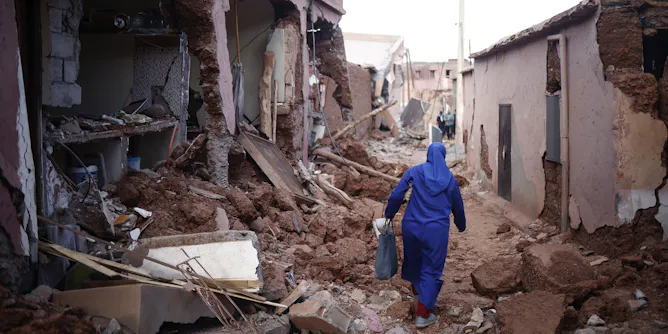
Cities and towns have been devastated by the impact of the 6.8 magnitude quake – the largest recorded in the country’s history.
Articles on Disaster resilience
Displaying 21 - 34 of 34 articles
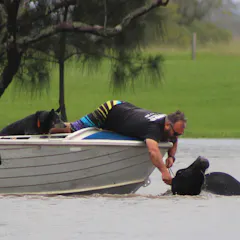
While well-meaning, it’s unclear whether the benefits of training community members to respond to disasters outweigh the risks.
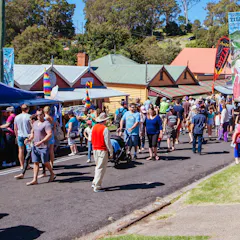
The climate crisis demands innovations in our everyday infrastructures. If these changes are to be adopted en masse, finding the right fit between communities and infrastructures is vital.
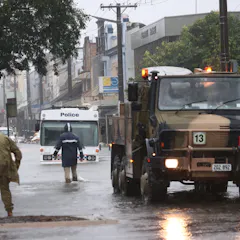
The federal election presents an opportunity to promote plans for improving national disaster governance and resilience. But the silence on these issues in political debates has been remarkable.
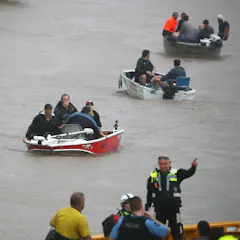
Thinking carefully about people’s health during and after disaster is crucial to building disaster resilience. Ensuring access to medicines is a core part of that goal.
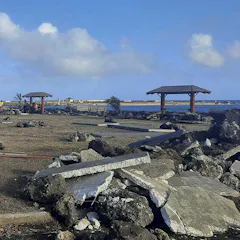
As Fiji did after 2016’s catastrophic cyclone, Tonga will likely face challenges with building materials and costs, and low levels of technical expertise. But these can be overcome.
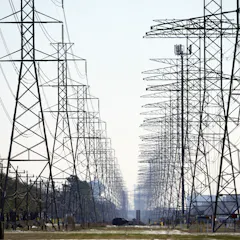
Disasters highlight the cost of society’s love of efficiency. Nature, in contrast, favors resilience. Being more like nature offers benefits for society, especially in the face of the climate crisis.
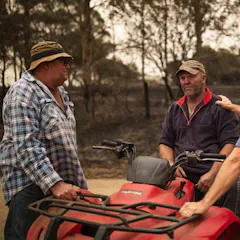
The real success of the National Recovery and Resilience Agency will be not only in what it does, but in how it carries out its work, in the relationships it forges, and in the trust it gains.
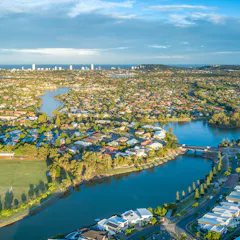
Infrastructure is often seen as the main way to reduce the impacts of climate-related disasters like floods and drought. But cities are complex systems with many factors affecting their resilience.
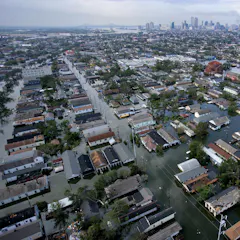
We can design parks, open space and public infrastructure to hold excess water when flood strikes. That means better control of where floodwater ends up, reducing the risk to lives and property.
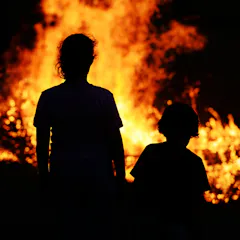
Following the 2009 Victorian Black Saturday bushfires, more than half the women in one study reported experiencing domestic and family violence. Many had never experienced it before.
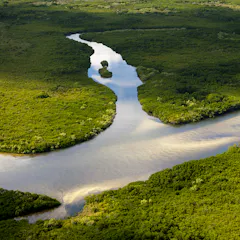
Wetlands bear the brunt of much storm damage to the coast. But over the past 300 years, 85% of the world’s wetland area has been destroyed.
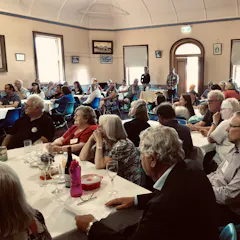
The small fire and heatwave prone town of Tarnagulla got together, applied for funding and co-produced a resilience action plan so they’re better prepared for the next disaster.
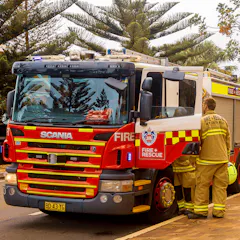
Yesterday, the bushfire royal commission handed down interim observations. But there’s a glaring omission.
Top contributors
-

Associate Professor and Principal Fellow in Urban Risk and Resilience, The University of Melbourne
-
Senior Lecturer, School of Global, Urban and Social Studies, RMIT University
-
Research Fellow, Rural and Remote Health, University of Sydney
-
Bachelor of Design (Honours) Convenor and Lecturer, School of Art and Design, Australian National University
-
Professor of Environmental Studies, Political Science and International Relations, USC Dornsife College of Letters, Arts and Sciences
-
Course Director, Centre for Social Impact, Swinburne University of Technology, Swinburne University of Technology
-
Associate Professor, University of Sydney
-
Research Fellow, Australian National University
-
Honorary Professor, Institute for Climate, Energy & Disaster Solutions, Australian National University
-
Professor of Computer Science, Rice University
-
Professor of Social Work, Dean (Sustainable Development Goals Performance), Griffith University
-
Researcher, Griffith University
-
Associate Professor, Institute for Global Prosperity, UCL
-
Head, Disaster Solutions, Australian National University
-
Academic Director Living Lab Northern Rivers, University of Technology Sydney