

Our transport infrastructure and logistics supply chains were built for a stable environmental and energy baseline that no longer exists.
Articles on Climate resilience
Displaying 1 - 20 of 69 articles
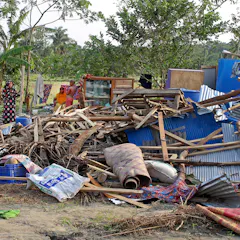
Most climate aid arrives after the disaster. A handful of countries are proving it doesn’t have to.

Climate change does not affect every form of transport in the same way. And the result is more than just cancelled journeys.
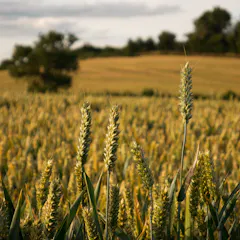
The amount of land occupied by a farming system does not necessarily reflect its importance to our food supply.
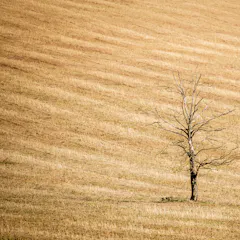
Our entire food system needs a redesign to cope with increasing threats to resilience over the long haul.
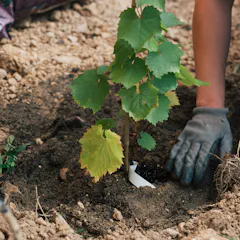
At local level, many grassroots initiatives are cropping up to tackle unforeseen climate-related events, but improvising and instinctive ways of working are often overlooked in public policy.

Complex systems require multiple indicators. A UK food resilience index could identify developing weaknesses in the food system before they become failures.
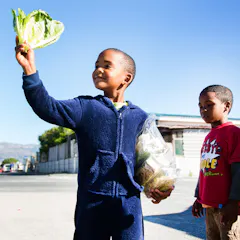
As food and living costs rise, rooftop solar and rainwater harvesting could help low income South African households save money and buy more food.
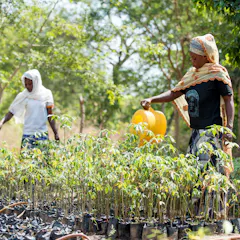
Ghana’s community conservation areas protect forests and wildlife while supporting rural livelihoods, but weak laws and funding threaten their future.

Mauritius is securing climate funding, but weak oversight and poor coordination risk leaving vital adaptation money mismanaged.
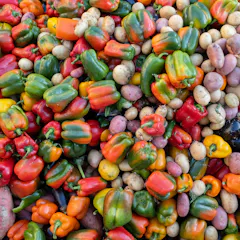
Wastage of edible food means lost calories, lost money and a growing climate problem.
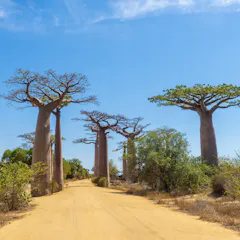
Ancient baobabs in Madagascar have unlocked a 700-year rainfall record that is set to help scientists figure out how to adapt to climate change.
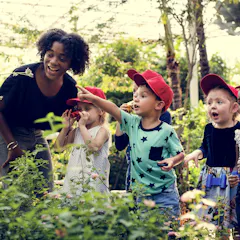
There are things that we can do to combat the climate crisis. Children should be supported so they don’t lose hope.
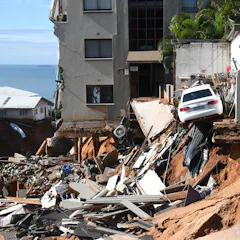
South Africa needs almost US$15 billion over a decade just to reach a basic level of climate adaptation, that protects water, food, health and infrastructure.
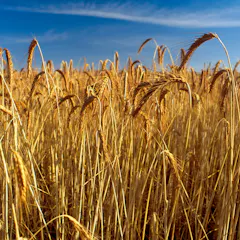
Sustained extreme heat can damage, weaken and kill all living things, from wheat crops to koalas and fruit bats.
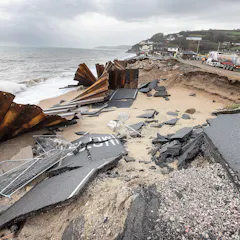
As sea levels rise and storms intensify, coastal defences simply cannot keep up.
Climate change isn’t rewriting the laws of structural engineering, but it is rapidly eating away at our margins of safety.

How to shift the ‘grey’ ocean economy that prioritises the unequal extraction of resources towards a ‘blue’ economy that benefits all.

There’s more we can do to better protect our homes – including 1.5 million homes already in high or very high risk areas today.

South Africa’s G20 presidency is working on getting communities ready to survive disasters.
Top contributors
-

Senior Lecturer, School of Global, Urban and Social Studies, RMIT University
-
Associate Head of Research and Knowledge Exchange - Reader in Plant Science, Edge Hill University
-
Research Associate, University of Tasmania
-
Professor of Environmental Planning, University of Waikato
-
Professorial Fellow, Institute of Development Studies
-
Senior Lecturer in Climate Science, Imperial College London
-
PhD candidate, Institute of Development Studies
-
PhD Student in Computational Biology, USC Dornsife College of Letters, Arts and Sciences
-
Research fellow, Environmental Sustainability Research Centre, Brock University
-
Senior Lecturer in Environmental Planning, University of Waikato
-
Professor, Climate | Policy | Sustainability, York St John University
-
Senior Research Fellow in Climate Change Risks, University of Cape Town
-
Researcher in sustainable food systems, The University of Melbourne
-
Postdoctoral Research Fellow, UNSW
-
Professor, Biological Sciences and Psychology, Brock University