
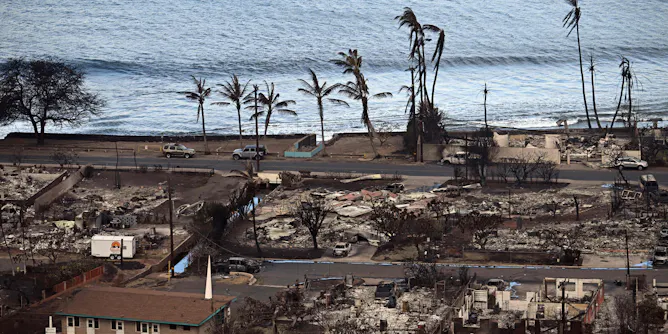
Wildfires on Maui are a crippling blow to the island’s tourism industry, which generates half of its jobs. But New Orleans and Kauai show that comebacks are possible.
Articles on Disaster recovery
Displaying 41 - 60 of 89 articles
Food, shelter and medical supplies are important but not the only things that help people get back on their feet.
Research conducted in Southeast Texas casts light on the toll disasters can take on groups that serve as pillars of their communities.
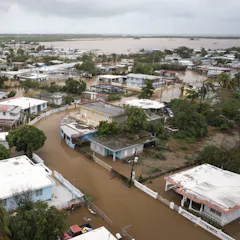
Within two weeks of Hurricane Fiona, FEMA had accepted most Puerto Rican housing aid applications. Nearly all those early approvals cover only $700 in assistance and won’t pay the tab for rebuilding.
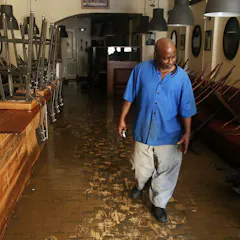
Research shows that coastal businesses’ hurricane recovery depends on workers being able to return.
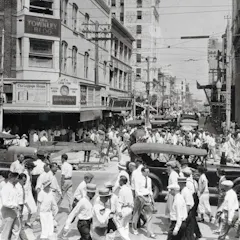
More than 22 million people currently live in Florida following a century of rapid growth.
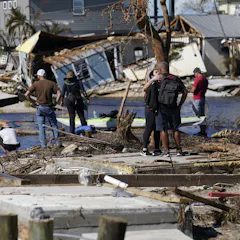
Many government agencies help people whose lives are thrown off course, but not everyone is eligible or able to access that aid.

A proposed new airport at Tarras would affect the entire South Island economy. Twelve years on from the Canterbury earthquakes, have the implications of such a project been properly thought through?
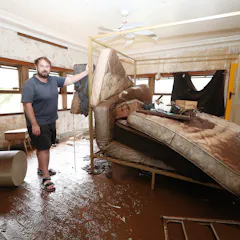
The long delays in housing displaced flood victims point to the need to develop a permanent reserve of temporary housing to be available wherever and whenever disaster strikes.
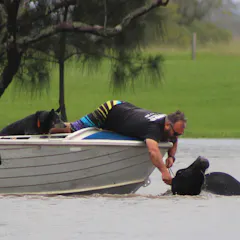
While well-meaning, it’s unclear whether the benefits of training community members to respond to disasters outweigh the risks.

Research on the impacts on schooling of COVID and bushfire and flood disasters has found academically the kids are mostly OK. It’s their well-being and recovery from trauma that demand our attention.
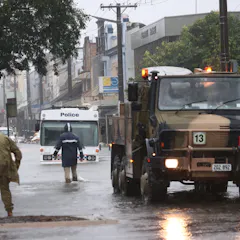
The federal election presents an opportunity to promote plans for improving national disaster governance and resilience. But the silence on these issues in political debates has been remarkable.
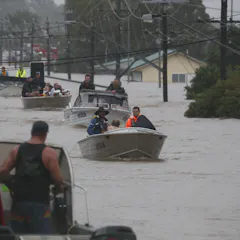
It is unreasonable to expect people to cope with all disasters – but it is reasonable to expect people to manage a certain level of risk.
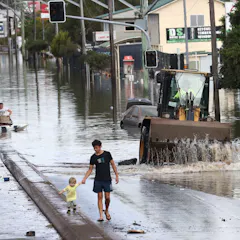
Natural disasters are driving up insurance costs. The Australian government’s plan to drive them down won’t help much.
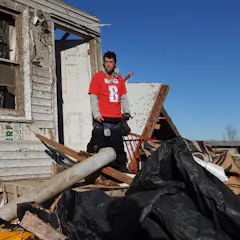
The most affordable homes face the highest risks from disasters for three key reasons.
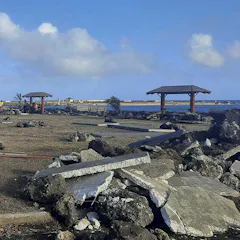
As Fiji did after 2016’s catastrophic cyclone, Tonga will likely face challenges with building materials and costs, and low levels of technical expertise. But these can be overcome.
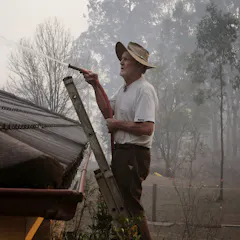
New research also identified steps people wished they’d taken to prepare for disaster, such as protecting sentimental items, planning a meeting place and better managing stress.
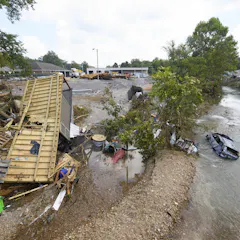
When presidents are seeking reelection, federal aid comes more often and more quickly.

A new study highlights disparities and proposes research priorities for advancing the use of small aerial drones in disaster management.
CC BY-NC-ND16.7 MB (download)
Is it possible for COVID-19 to help us shape a better world?
Top contributors
-

Associate Professor of Landscape Architecture and Urban Planning, Texas A&M University
-
Professor of Landscape Architecture and Urban Planning, Texas A&M University
-
Professor of Civil, Environmental and Ecological Engineering, Purdue University
-
Clinical Assistant Professor of Education, Health and Behavior Studies, University of North Dakota
-
Chair in the Economics of Disasters and Climate Change, Te Herenga Waka — Victoria University of Wellington
-
Associate Professor of Human Geography, University of Tasmania
-
Senior Lecturer in Environmental Management, University of Tasmania
-
Assistant Professor, Florida A&M University-Florida State University College of Engineering, Florida State University
-
Director, Global Waste Research Institute, California Polytechnic State University
-
Professor of Urban Engineering, University of Illinois Chicago
-
Senior Lecturer, School of Global, Urban and Social Studies, RMIT University
-
Lillian Gilbreth Postdoctoral Fellow, Purdue University
-
PhD student and Senior Researcher, RMIT University
-
Professor of the Practice, Tufts University
-
Associate Professor, Humanitarian, Emergency and Disaster Management Studies, Charles Darwin University