
How to place disabled people, who are some of the most vulnerable, at the centre of climate change negotiations.
Articles on Disability
Displaying 21 - 40 of 668 articles
The NDIS minister joined the podcast to discuss the government’s reforms – and what the changes mean for 160,000 Australians.
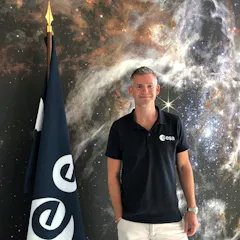
In the 1950s, Arthur C. Clarke imagined an amputee astronaut. If John McFall reaches orbit, science fiction becomes science fact.
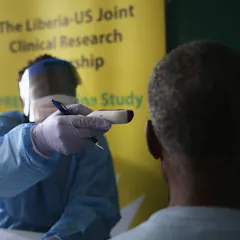
10 years after official end of the Ebola pandemic, very few people know that survivors have struggled to continue with their lives.
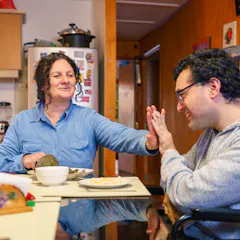
The government has introduced legislation that tightens key definitions and make it harder for participants to access the scheme.
Few diagnoses have broadened their diagnostic boundaries as much or as quickly as autism. This has affected those with the most profound disability.
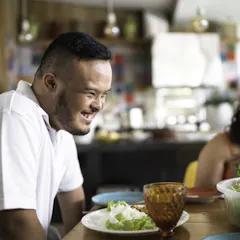
The government acknowledges the current market-based model isn’t working. So what changes are ahead for disability accommodation?

Online gaming acts as a powerful space of empowerment for people with disability.
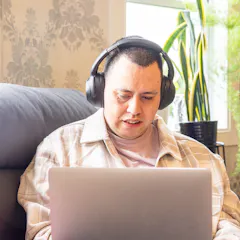
The government plans to cut the number of NDIS users by 160,000 over the next four years. Here’s what we know about how they’ll do that and who’ll be affected.
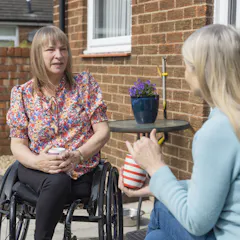
Some participants will start to see changes from July. Here’s what to expect.
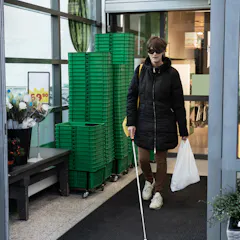
Could these actions secure the scheme for the future? Or might they create new barriers for the very people the NDIS was designed to empower?

Evidence suggests the NDIS led to Australia having some of the highest rates of diagnosed autism in the world.

This year, the National Disability Insurance Scheme is expected to cost taxpayers $50 billion. So what needs to change?

Why the prevalence of neurodivergent protagonists in police procedurals? And what are viewers gaining by watching stories predicated on this form of difference?

Helping patients navigate disability outside the clinic is critical to rehabilitation for physical conditions. People with psychiatric conditions can benefit from the same philosophy.
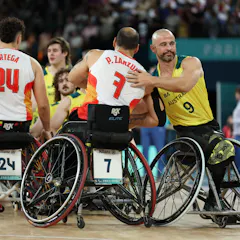
Assuming that sex is the key factor defining physical ability may undersell what many athletes are capable of.
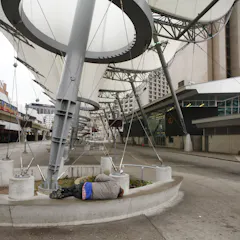
Detroit’s homelessness response system could lose millions of dollars in federal funding for permanent supportive housing as the city’s homelessness rates increase.
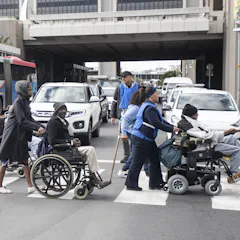
Structural barriers such as inaccessible infrastructure and lack of transport options affect South Africa’s reputation as a disability-friendly country.

People with Tourette’s experience uncomfortable physical sensations that build up in the body and come out as ‘tics’.

‘If I Had Legs I’d Kick You’ offers a rare, realistic and necessary portrayal of caregiving when mothers are positioned as the shock absorbers of systems unwilling to provide help.
Top contributors
-

Professor, Public Service Research, UNSW
-
Professor, University of Sydney; RMIT University
-
Adjunct Professor, Summer Disability Research Centre, La Trobe University
-
Professor, Rehabilitation, Ageing and Independent Living Research Centre and Occupational Therapy Department, School of Primary and Allied Healthcare, Monash University
-
Professor of Social Inclusion - UTS Business School - Co-Lead UTS Disability Research Network - Australian Centre for Olympic and Sport Studies - Centre for Sport, Business and Society, University of Technology Sydney
-
Senior Research Fellow, Crawford School of Public Policy, Australian National University
-
Professor, Social Policy Research Centre, UNSW
-
Professor in Internet Studies, Curtin University
-
Senior Lecturer of Wellbeing Science, The University of Melbourne
-
Professorial Fellow, University of Canberra
-
Professor of Sociology, University of Alberta
-
Associate Professor, Sociology, University of Toronto
-
Lecturer, Australian Catholic University
-
Adjunct Associate Professor, Murdoch University
-
Professor, Director, Griffith Inclusive Futures, Griffith University, Griffith University