

A guide to the different types of diabetes, including the latest type to be officially recognised – type 5.
Articles on Diabetes
Displaying 41 - 60 of 470 articles

There are a number of reasons people are ‘microdosing’ weight-loss drugs. But here’s what to consider before you try it.

A team of researchers discovered that taking omega-3 supplements can reduce the risk of developing type 2 diabetes and cardiovascular disease.

Menstrual blood isn’t a ‘waste’. It actually has a rich cellular and molecular makeup.
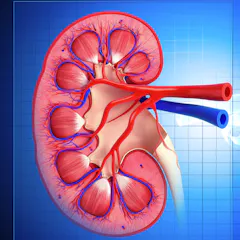
Too often, patients with chronic kidney disease get diagnosed too late – if at all. Addressing risk factors early can stave off the disease’s worst effects.
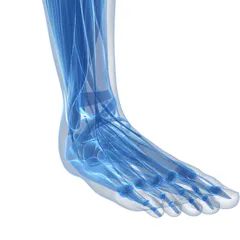
A significant number of diabetics experience pain because of nerve damage.

A sugar-sweetened beverage tax is effective in reducing sugar consumption and should be increased for health reasons, researchers argue.

Obesity is a critical public health concern affecting millions worldwide. Yet, it is often oversimplified as an issue of lifestyle choices.

If Australia followed England’s lead and listed drugs such as Wegovy on the PBS for weight loss, this could bring the cost down from around $500 a month to $31.60.
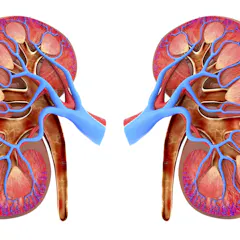
A study shows a significant genetic risk factor for kidney disease in people from Ghana and Nigeria.

People of African descent often have non-communicable and infectious diseases at the same time. Research needs to be done into integrated treatment.

Research shows that people who take these weight-loss medications may have a lower risk of dementia and numerous other health conditions.

Over 3,500 major leg amputations were performed by vascular surgeons in the UK in 2023 – and many were preventable.
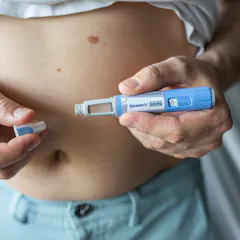
A new study found people with type 2 diabetes who used drugs like Ozempic had a reduced risk of 42 health conditions or issues, but a greater risk of 19 others.

Olive leaf extract may reduce blood pressure, improve blood lipids and help the way our bodies handle glucose. But the evidence isn’t clear cut.
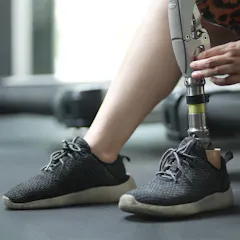
More needs to be done to raise awareness of peripheral artery disease given its devastating potential impact.

By understanding the disease and the treatment options, pet owners can ensure their dogs and cats have healthy and happy lives.

To identify threats to the health of mothers and children, birth cohort studies look at groups of moms and their babies from birth or even earlier and follow them for many years.

If obesity trends continue on the current trajectory, more than 80% of US adults will be overweight or obese.

Type 1 diabetes develops when the body destroys its own insulin-producing cells. Using stem cells to replace them could be a way to get around donor shortages and transplant complications.
Top contributors
-

Professor and Programme Director, SA MRC Centre for Health Economics and Decision Science - PRICELESS SA (Priority Cost Effective Lessons in Systems Strengthening South Africa), University of the Witwatersrand
-
Chairperson, Diabetes Alliance; Co-founder, Diabetes Research Centre, University of Pretoria
-
Head of Diabetes Clinics, Baker Heart and Diabetes Institute
-
Laureate Professor in Nutrition and Dietetics, University of Newcastle
-
Professor (Hon) at Monash University, Baker Heart and Diabetes Institute
-
Professor of Medicine, Monash University
-
Professor of Public Health Policy, Deakin University
-
Assistant Professor of Health Promotion and Policy, UMass Amherst
-
Associate Professor and Director of the SAMRC/Wits Centre for Health Economics and Decision Science - PRICELESS SA (Priority Cost Effective Lessons in Systems Strengthening South Africa), University of the Witwatersrand
-
Associate Professor, Health Sciences, University of Waikato
-
Professor of Community Health and Wellbeing, The University of Queensland
-
Accredited Practising Dietitian and Lecturer, Southern Cross University
-
Honorary Associate Professor, University of Leicester
-
General Practitioner, PhD Candidate, Bond University
-
Project Head, Tshwane Insulin Project, University of Pretoria