

In the past, workers have been warned not to disclose their mental illness at work for fear of discrimination. But there can be many positives to telling your boss.
Articles on Depression
Displaying 181 - 200 of 859 articles

Study shows people in China and Finland express fewer negative emotions than other nations.

University students are particularly at high risk of depression. One global study suggests 21% of students have major depressive disorder.

Many studies show that consistent meditation practice lowers depression, anxiety and self-criticism.

Numerous studies indicate exercise as an effective treatment for people with existing depression and other mental illnesses, and exercising in nature can further improve mental well-being.

Receiving a cancer diagnosis and undergoing cancer treatment can be a traumatizing experience. Psychedelics like LSD, psilocybin and MDMA could help alleviate symptoms from cancer-related PTSD.

Postpartum depression can strike days, weeks or months after delivery, and the much rarer cases of psychosis can be difficult to detect.

Our research showed reading as a teenager was a stronger indicator of curiosity than, say, their mathematical ability.

Some psychologists suggest a cultural emphasis on safety is contributing to rising anxiety and depression among teens.

For those who need it, Adderall and other stimulants can be game-changing medications that help restore the chemical imbalances underlying ADHD. But for those who don’t, these drugs can be harmful.

There are a few reasons melatonin, a medication commonly taken for sleep difficulties, might have this effect.

Food insecurity remains a major health problem. And poorer households are disproportionately affected.
Some commercial products and practices are directly linked to avoidable ill health, planetary damage, and social and health inequity. Large transnational corporations are especially to blame.

Friendships are important, but are they always healthy? New research finds that teens who feel dominated by their friends experience lower self-esteem and more symptoms of anxiety and depression.
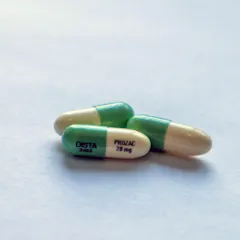
Antidepressants have been prescribed to millions of people with little thought about how those people will come off them.

An overreliance on medication as the first-line treatment for depression can lead some people to be labeled with treatment-resistant depression when there are other viable alternatives for relief.

Being pregnant and giving birth during the pandemic meant disruptions in pregnancy care and birth experiences, as well as detrimental effects on mental health and birth outcomes.
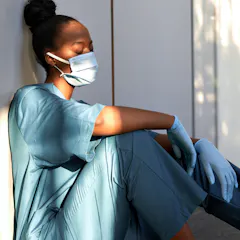
Disturbed sleep can worsen depressive symptoms of health care workers whose jobs come with high levels of emotional labor and work-family conflict.

AI chatbots can provide people with immediate help, but the technology is still far from capable of replacing human therapists.

Adverse childhood experiences are associated with an increased risk of mental health problems in adulthood.
Top contributors
-

Professor of Psychiatry, Monash University
-
Professor of Psychiatry, Wayne State University
-
Professor and Personal Chair, Swansea University
-
Professor of Clinical Neuropsychology, University of Cambridge
-
Scientia Professor of Psychiatry, UNSW
-
Professor of Psychology, The University of Melbourne
-
Professor of Psychology, San Diego State University
-
Head of the Department of Psychiatry, The University of Melbourne
-
Director School of Medicine and Psychology, Australian National University
-
Professor of Health Sciences, Simon Fraser University
-
Visiting Clinical Research Fellow in Psychiatry, UCL
-
Professor of Critical and Social Psychiatry, UCL
-
Associate Professor, Centre for Positive Health Sciences, RCSI University of Medicine and Health Sciences
-
Postdoctoral Research Associate, Cognitive Neuroscience, University of Cambridge
-
Clinical Psychologist and Professor in the Department of Psychology and Neuroscience, Dalhousie University