

With online use ever-increasing, so is the rise of ghosting – when friends decide to disappear into the social ether.
Articles on Depression
Displaying 261 - 280 of 859 articles
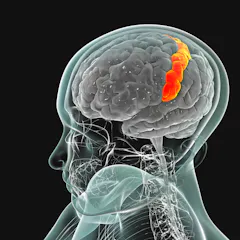
The brain’s somatosensory cortex may help enrich our emotional experiences and improve our mental health. Mindfulness and dance movement therapy may be effective ways to activate it.

In families that are facing economic insecurity, fathers are more likely to experience depressive symptoms that can lead to conflict.

Nursing has long been seen as a vocation, not a skill. This impacts nursing staff and patients both.

The hormones in the pill can cause or exacerbate depression, and the type you use is an important factor.

How do mental health apps compare to in-person therapy? A social worker and expert on technology and human services explains.

People who are directly affected by mass shootings may develop PTSD and depression. But those who are indirectly exposed to these tragedies can also experience profound and long-lasting grief.
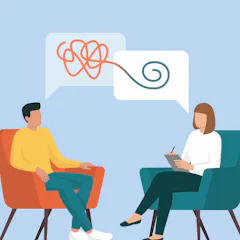
Psychotherapy is not one size fits all. From behavioral to gestalt therapies, which approach will work best for you depends on your needs and goals.
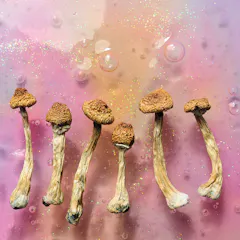
The active compound in magic mushrooms seems to increase connections between different brain networks.

Up to 20% of US children have an anxiety disorder, and many suffer in silence.

Our study shows that people who believe they can do things to improve their mental health have higher wellbeing.

New research shows that many young people report a sense of temporary relief following episodes of self-harm. But there are clear ways to help teens replace injurious behaviors with healthy ones.

Mental health services aren’t meeting young people’s needs, particularly during the global pandemic. But research shows parents can learn how to reduce anxiety and depression in early teens.

The loss of income, economic and food insecurity, fear of infection, and death of family members resulted in feelings of frustration, anxiety and depression.

A new study has explored whether cardiovascular risk factors are associated with a higher likelihood of depression.

We reviewed all the research on mental health during the first year of COVID lockdowns. Here’s what we found.
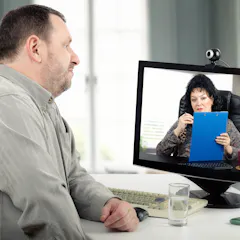
By creating both an urgent need for mental health care and the need to prevent the spread of COVID-19, the pandemic is enabling telemedicine to go mainstream.

While only about 20% of people would qualify for a formal diagnosis of a mental disorder, more than 60% express symptoms of those disorders – and those symptoms can lead to cognitive difficulties.

Many people will be feeling anxious about working around others again, after such a long period at home. There are a few things employers and employees can do to ease the transition.
New federally funded mental health help line features easier access and more consistent regulation.
Top contributors
-

Professor of Psychiatry, Monash University
-
Professor of Psychiatry, Wayne State University
-
Professor and Personal Chair, Swansea University
-
Professor of Clinical Neuropsychology, University of Cambridge
-
Scientia Professor of Psychiatry, UNSW
-
Professor of Psychology, The University of Melbourne
-
Professor of Psychology, San Diego State University
-
Head of the Department of Psychiatry, The University of Melbourne
-
Director School of Medicine and Psychology, Australian National University
-
Professor of Health Sciences, Simon Fraser University
-
Visiting Clinical Research Fellow in Psychiatry, UCL
-
Professor of Critical and Social Psychiatry, UCL
-
Associate Professor, Centre for Positive Health Sciences, RCSI University of Medicine and Health Sciences
-
Postdoctoral Research Associate, Cognitive Neuroscience, University of Cambridge
-
Clinical Psychologist and Professor in the Department of Psychology and Neuroscience, Dalhousie University