

These tests could aid with early detection of the disease or identify at-risk people.
Articles on Dementia
Displaying 61 - 80 of 565 articles

The NT looks set to introduce voluntary assisted dying mid-year, while other states are reviewing – and may change – current laws. Here’s what you need to know.

The author’s vocabulary narrowed a decade before diagnosis – a clue that could transform early dementia detection.

Wandering or ‘exit-seeking’ is common in dementia, often triggered by confusion or memory loss. Families need practical strategies and government support to navigate the risks.

Dementia today occupies the same stigmatized, system-neglected space that cancer did half a century ago. And history shows us that stigma, not simply the absence of cures, delays progress.

Research links disrupted biological rhythms to dementia risk, but sleep length alone may not be the key factor.

Frontotemporal dementia accounts for around one in 20 dementia cases.

Research linking cheese and cream to lower dementia risk has made headlines, but the story is more nuanced than it might sound.
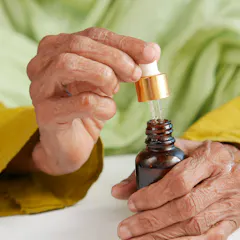
A Brazilian study investigated the effects of microdoses of cannabis extract in patients with mild Alzheimer’s disease, and found cognitive decline stalled.

Two decades after the Women’s Health Initiative study, evolving research on menopause hormone therapy is shedding new light on women’s brain health.

Two major trials show the weight-loss drug offers no cognitive benefit to people with early Alzheimer’s, dashing hopes it might protect the brain.
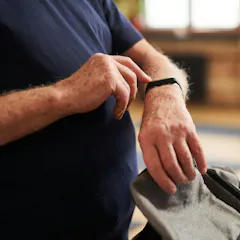
Continuous tracking using real-time location systems is becoming increasingly common in hospitals and long-term care homes, raising questions about ethics and data use.

A study of 86,000 older adults across Europe shows people who speak multiple languages tend to age more slowly than monolinguals.

People who did a lot of physical activity between 45 and 64 had much lower odds of developing dementia – even when they carried a genetic risk factor.

These films ask: what do we do with the love we have for someone who faces this illness?
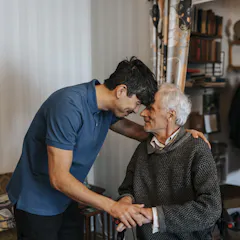
Addressing the financial and personal aspects of aging proactively helps to ensure that you will receive the care you need – and want – as you age.

A 25-year study reveals that silent heart damage in your 50s can predict dementia risk decades later.
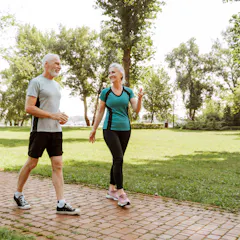
Even modest amounts of walking – as few as 3,000 steps a day – may help protect against Alzheimer’s by reducing harmful tau proteins in the brain.

Treating people with dementia as full, thriving human beings requires awareness of stigma and simple communication strategies.
The technique represents a new way of thinking about Alzheimer’s treatment.
Top contributors
-

Professor of Biological Psychology, Loughborough University
-
PhD Candidate, Neuroscience, University of Sheffield
-
Head of Clinical Services, Dementia Support Australia, & Associate Professor of Psychiatry, Monash University
-
Research Fellow in Neuroimmunology, UCL
-
Associate Professor, Turner Institute for Brain and Mental Health, Monash University
-
Professor of Chemistry and Senior Scientist of the Krembil Research Institute, University Health Network, University of Toronto
-
Associate Professor | Deputy Director, The MARCS Institute for Brain, Behaviour and Development, Western Sydney University
-
Lecturer, School of Psychology, UNSW ; Neuroscience Research Australia
-
Senior Research Fellow in the Institute of Population Health & NIHR ARC North West Coast Social Care Theme Lead, University of Liverpool
-
Associate professor, University of Sydney
-
Host, The Conversation Weekly Podcast, The Conversation
-
Professor in Ageing and Health, University of Sydney
-
Affiliate Professor, Department of Family Medicine, McGill University
-
Professor Emeritus of Molecular Neurobiology at the University of Manchester and a Visiting Professorial Fellow, University of Oxford
-
Associate Professor in Cellular Neuroscience, University of Reading