

Research links repeated head impacts with poorer brain health in some former players, although the evidence cannot yet prove cause and effect.
Articles on Dementia
Displaying 21 - 40 of 565 articles

A new study looked at almost one million married couples and found dementia clustered among couples. Shared lifestyle doesn’t explain everything.

Learning languages may keep your brain young, but the evidence for preventing dementia itself is far less clearcut.

Retired football players have a higher risk of developing dementia.

Dementia is now the leading cause of death, overtaking heart disease. The Conversation’s experts explain how Australians’ health has changed – both good and bad.

Mild cognitive decline doesn’t necessarily mean you’ll develop dementia. But it’s a common fear.

Medicine may slow decline for some, but dementia care must also protect dignity, identity and story when speech begins to fade.

New study of older adults in Sweden suggests healthier diets may still be linked to lower dementia risk even after early biological changes are detected.

Research shows that praise can guide people with dementia through difficult tasks on busy wards, but unclear or poorly timed praise may cause confusion.

TikTokers are promoting ‘pinky time’, a finger exercise they claim can help keep the brain sharp.

Music has value in dementia care, but re-envisioning its role beyond treatment involves engaging individuals in music experiences that foster self-expression, identity and meaningful interactions.
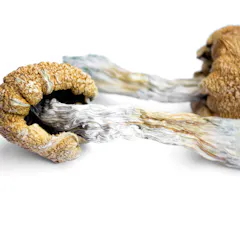
A woman with advanced dementia appeared to regain speech and independence after psilocybin. The findings are intriguing, but far from proof.

Animal experiments and analysis of patient records suggest that taking glucosamine is safe for a healthy brain but is associated with further decline in diseased brains.

Recent headlines have raised concerns about allergy tablets. The evidence is more nuanced than it first appears.

From gumshield sensors to blood tests, AI may change how sport detects brain injury.

Do you knit or solve puzzles for fun? Research suggests hobbies such as these could help keep your brain healthy, particularly in older age.

Studying middle-aged populations is important to understanding what Alzheimer’s disease looks like in the earliest stages, to make preventive measures more effective.

As G7 societies age and birth rates decline, we must invest in collaborative open science research, to optimize brain health for every citizen.

For migrants living with dementia, memory loss weakens links between language, culture and expression. Music can help.

Bilingualism may interact with verbal memory and sex steroids to influence dementia risk in unexpected ways.
Top contributors
-

Professor of Biological Psychology, Loughborough University
-
PhD Candidate, Neuroscience, University of Sheffield
-
Head of Clinical Services, Dementia Support Australia, & Associate Professor of Psychiatry, Monash University
-
Research Fellow in Neuroimmunology, UCL
-
Associate Professor, Turner Institute for Brain and Mental Health, Monash University
-
Associate Professor | Deputy Director, The MARCS Institute for Brain, Behaviour and Development, Western Sydney University
-
Professor of Chemistry and Senior Scientist of the Krembil Research Institute, University Health Network, University of Toronto
-
Associate professor, University of Sydney
-
Senior Research Fellow in the Institute of Population Health & NIHR ARC North West Coast Social Care Theme Lead, University of Liverpool
-
Lecturer, School of Psychology, UNSW ; Neuroscience Research Australia
-
Professor Emeritus of Molecular Neurobiology at the University of Manchester and a Visiting Professorial Fellow, University of Oxford
-
Professor in Ageing and Health, University of Sydney
-
Doctoral Candidate, Aging, Health and Well-being, University of Waterloo
-
Host, The Conversation Weekly Podcast, The Conversation
-
Associate Professor in Cellular Neuroscience, University of Reading