
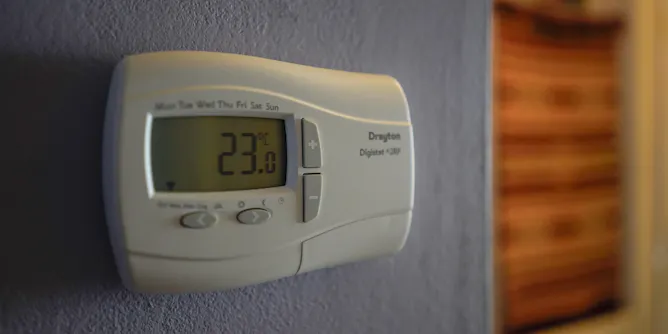
Policies that encourage the use of low-carbon technology like heat pumps can help motivate residents to decarbonize their homes.
Articles on Cooling
Displaying 41 - 60 of 75 articles

Many developing nations have little cold storage and lose much of their perishable food before it gets to markets. Climate-friendly refrigeration can provide huge environmental and social benefits.

Soaring power bills add to people’s worries about keeping their homes cool, especially as their health can suffer if they don’t. Fortunately, there are effective and affordable ways to beat the heat.
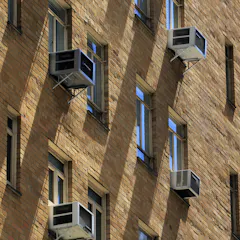
The US Senate voted to ratify the Kigali Amendment, agreeing on a bipartisan vote to phase down climate-warming HFCs. Now what?

Heat pumps use a fraction of the energy of traditional electric or gas heaters, which means they slash both energy costs and emissions.

Energy modeling software provides insight into whether letting your A/C relax while you’re gone all day will save you energy – and money.

A survey conducted in Texas state prisons finds that many lack basic resources like cold water, ice and air conditioning to help incarcerated people and staff keep cool during heat waves.

After the announcement of President Biden’s heat initiative, The Conversation revisits stories on high summer temperatures and human health.
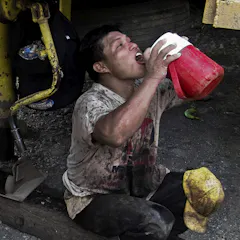
The risk from heat waves is about more than intensity – being able to cool off is essential, and that’s hard to find in many low-income areas of the world.

As the UK warms, the government needs to pay more attention to sustainably and efficiently cooling buildings.

Excessive heat puts your body at risk for organ damage. When workers don’t have a chance to cool off at home between shifts, that harm can accumulate.

America’s public schools, which are over 40 years old on average, are not equipped to handle rising temperatures due to climate change, a new study reveals.
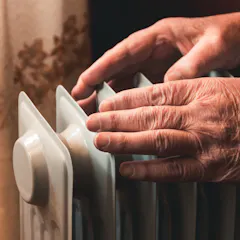
One quarter of monitored social housing properties recorded winter temperatures below World Health Organisation standards for more than 80% of winter, new research shows.
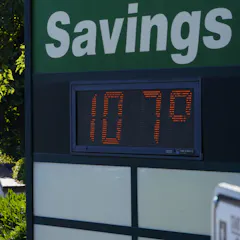
Which is worse, dry heat or wet heat? Both, says an exercise physiologist.
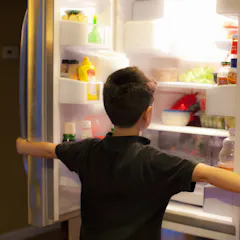
HFCs keep refrigerators cool, but when these short-lived climate pollutants leak, they warm the planet.

As our cities get hotter, rebuilding whole suburbs better suited to the heat is not an option. Instead, we can draw from the best examples of how to adapt neighbourhoods and behaviours.

Net zero energy buildings produce at least as much energy as they use. Designing whole net zero campuses and communities takes the energy and climate benefits to a higher level.

Climate change is making extreme weather events, both hot and cold, more frequent across the Great Lakes region. Weatherizing low-income residents’ homes is an important way to prepare.

Half-a-dozen strategies are effective for cooling urban areas. Used in combination, these strategies can drop the temperature even more.

As our planet warms, the number of air-conditioning units worldwide is expected to triple by 2050 – yet their use drives climate change. So how can we break the cycle?
Top contributors
-

Scientist in Energy, Climate and the Environment, Ca' Foscari University of Venice
-
Associate Professor in Property, Construction and Project Management, RMIT University
-
Professor, Social Design, Faculty of Design and Society, University of Technology Sydney
-
Professor of Geography, University of Wollongong
-
Associate Professor of Exercise Physiology, Mississippi State University
-
Senior Lecturer, School of Architecture Design and Planning, University of Sydney
-
Professor of Earth and Environment, Boston University
-
Professor of Atmospheric Science, Colorado State University
-
Duncan Mitchell is a Friend of The Conversation.
Honorary Professorial Research Fellow, University of the Witwatersrand
-
Associate Professor, Smith School of Enterprise and Environment, University of Oxford
-
A&S Distinguished Professor of Sociology and Director of the Center for Innovation in Social Science, Boston University
-
Research Fellow at Australian Centre for Culture, Environment, Society and Space, University of Wollongong
-
Associate Deputy Vice Chancellor in Research & Innovation, RMIT University
-
Professor of Heat & Health; Director of Heat & Health Research Incubator; Director of Thermal Ergonomics Laboratory, University of Sydney
-
Professor of Environmental Economics, Ca' Foscari University of Venice