
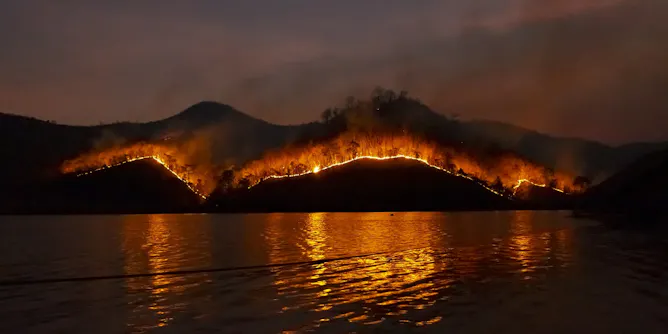
The record-breaking and destructive forest fires of the summer of 2023 made headlines. But how did they affect the millions of lakes in the burned catchment areas?
Articles on Contaminants
Displaying all articles
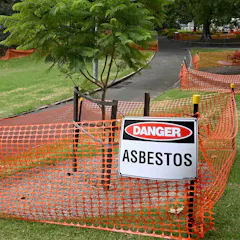
Exposure to asbestos can cause the same cancer in dogs as it does in humans. Recent cases of asbestos-contaminated mulch highlight the need to better protect our pets.

The most important factor for disease risk is exposure – you actually have to inhale asbestos fibres to be at risk of disease. But asbestos needs to be treated with caution.

For many years women were blamed for a couple’s infertility. But it’s now known that male factor infertility contributes to about 50% of total cases.

Human activities can affect plants and have consequences for the human populations that consume them.
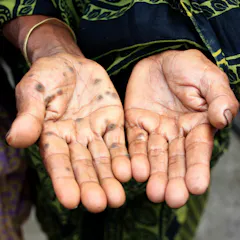
Millions of people worldwide are exposed via soil and water to arsenic, whether naturally occurring or related to pollution. Chronic exposure is linked to the formation of cancer stem cells.

We detected 180 contaminants in treated and untreated water. None of those found in treated water breached human health guidelines, but we should not forget about potential impacts on the environment.
Milk and its derivatives, meat products (especially fat), fish and seafood may be contaminated with PCBs, toxic substances that have been proven to accelerate cellular ageing.
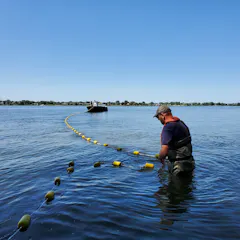
UV absorbents and industrial antioxidants are used in many household goods to protect them from UV radiation. They can have an adverse impact on ecosystems.

Flame retardants are added to consumer products — and end up in the environment and harming aquatic wildlife.

There is abundant evidence of the involvement of endocrine disruptors in reproductive dysfunction in several species, including humans.

Trace metal exposure can lead to concerning neurocognitive effects in people of all ages.

The Arctic and sub-Arctic regions are no longer exempt of industrial contamination. Researchers have found high blood levels of potentially harmful chemicals in people living in the North.
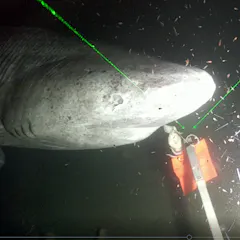
The eastern Arctic and sub-Arctic marine areas of Canada are changing rapidly under climate change.

A new study demystifies regional differences in mercury levels in marine animals in the Canadian Arctic.
Top contributors
-

Honorary Professor, School of Natural Sciences, Macquarie University
-
Chercheuse scientifique, Université du Québec à Montréal (UQAM)
-
Professor/Professeure titulaire, Eau Terre Environnement Research Centre, Institut national de la recherche scientifique (INRS)
-
Professor, Université du Québec à Rimouski (UQAR)
-
Associate Professor, Institut national de la recherche scientifique (INRS)
-
Adjunct Fellow, School of Natural Sciences, Macquarie University
-
Senior Lecturer, University of the Western Cape
-
Professeur, Université du Québec en Abitibi-Témiscamingue (UQAT)
-
Postdoctoral Research Fellow, Australian Centre for Housing Research, Adelaide University
-
MSc Student, School of Public Health and Health Systems, University of Waterloo
-
Assistant Professor/ Professeure adjointe, Université de Montréal
-
Assistant Professor of Environmental Health Sciences, Florida International University
-
Professeure, écologie végétale/Professor, plant ecology, Université du Québec en Abitibi-Témiscamingue (UQAT)
-
Associate Professor and Director, Occupational Respiratory Epidemiology, The University of Western Australia
-
Professeur titulaire, Université du Québec en Abitibi-Témiscamingue (UQAT)