

Whether capturing them on film, containing them in amusement parks, or subjecting them to scientific experiments, our curiosity about whales and dolphins has compelled us to capture them out of the ocean.
Articles on Beluga whales
Displaying all articles

The threat to kill the belugas as a solution to its economic woes, while shocking, reflects the ethical emptiness of the Canadian legal system when it comes to animals.
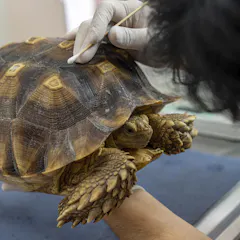
From tigers to mice and penguins to elephants – animal pharmacologists analyze samples from them all and play an important role in devising treatment plans.
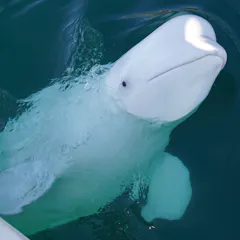
Unusual human-wildlife interactions raise questions about managing the risks. What’s driving these wacky whale antics? How and when should we intervene?
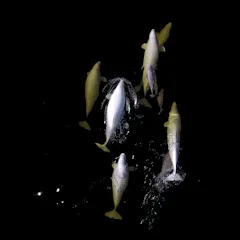
Drones are a new technology that help researchers observe and record whale behaviours from a distance. But if the drones are flown too low, they change the whales’ behaviour.

Flame retardants are added to consumer products — and end up in the environment and harming aquatic wildlife.
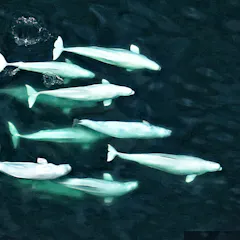
Belugas use sound to communicate, navigate the dark marine environment and find food. But climate change is opening up Arctic waters to more sound, and could affect the health and survival of belugas.
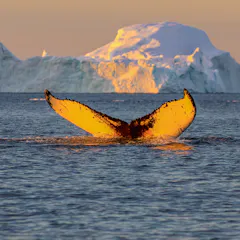
A skull found in West Greenland is proven to be the first-generation male offspring of a female narwhal and male beluga whale. The creature’s unusual diet may have been a result of its strange teeth.
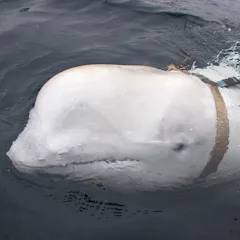
Russia isn’t the only nation suspected of training marine mammals for military use – the US, UK, and Ukraine have all done so in the past.
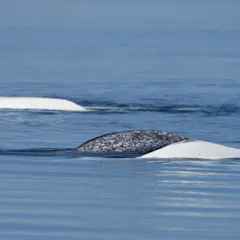
What can the story of a lost narwhal and his beluga family tell us about interspecies adoptions?

A new study demystifies regional differences in mercury levels in marine animals in the Canadian Arctic.
Top contributors
-

Professor and Canada Research Chair, University of Manitoba
-
Principal Lecturer in History, Manchester Metropolitan University
-
PhD candidate, Integrative Biology, University of Windsor
-
Assistant Professor, Faculty of Media, Art, and Performance, University of Regina
-
Assistant professor, Trent University
-
Professeur titulaire, Centre de recherche en toxicologie de l’environnement (TOXEN), Université du Québec à Montréal (UQAM)
-
Postdoctoral Research Fellow in Animal Behaviour, University of Exeter
-
Adjunct Assistant Professor, School of Earth and Ocean Sciences, University of Victoria
-
Whale Scientist and Lecturer, Faculty of Science and Engineering, Macquarie University
-
Clinical Professor of Biomedical and Diagnostic Sciences, University of Tennessee
-
Professor and Lansdowne Chair in law, University of Victoria