
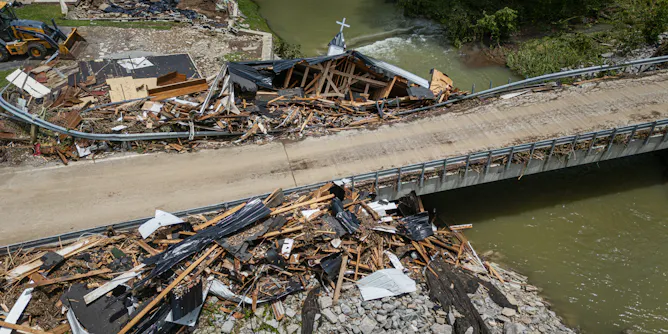
Increasing flash flooding is exhausting communities as they’re hit again and again.
Articles on Community resilience
Displaying all articles
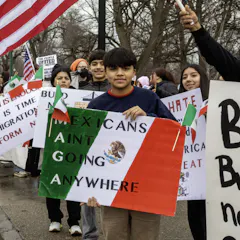
Attracting immigrants is key to growing and maintaining a more resilient economy in former industrial cities like Detroit.
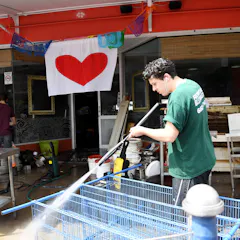
Northern Rivers residents are preparing for Cyclone Alfred’s arrival – and drawing lessons from the 2022 floods.
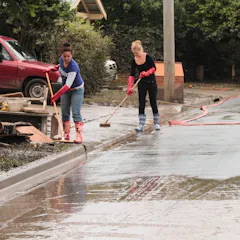
The recommendations of the senate inquiry into Australia’s disaster resilience mainly focus on volunteers involved in the immediate disaster response. This will not make Australians more resilient.

As communities across the globe struggle with mounting social, ecological and economic crises, creating conditions for collaboration and connection in and across communities can build resilience.

The North Queensland floods remind us of the need to build community resilience to disasters – during the event, in the immediate aftermath and beyond.

Canada’s ‘us against them’ COVID-19 strategy is amplifying social division, creating major psychosocial impacts, and has resulted in a significant decrease in trust toward authorities.
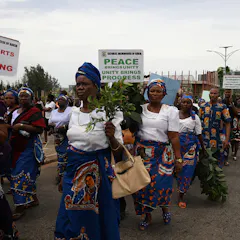
The absence of support from government leaves communities to determine independently how to move forward, what works, and what is sustainable.
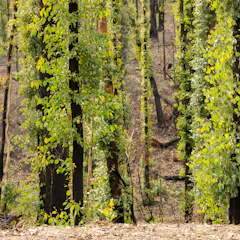
First the fires, then the pandemic. It’s not just the damage to infrastructure, houses, environment and farmland that makes recovery difficult; the emotional and physical toll is often gruelling too.
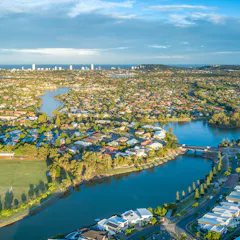
Infrastructure is often seen as the main way to reduce the impacts of climate-related disasters like floods and drought. But cities are complex systems with many factors affecting their resilience.
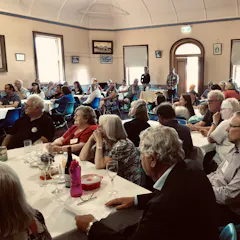
The small fire and heatwave prone town of Tarnagulla got together, applied for funding and co-produced a resilience action plan so they’re better prepared for the next disaster.
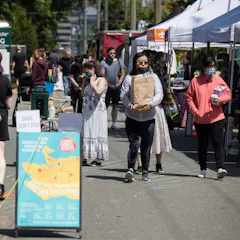
Since the beginning of the COVID-19 pandemic, there has been an increased interest in local food. This demand could be leveraged to help develop community resilience and encourage healthier diets.
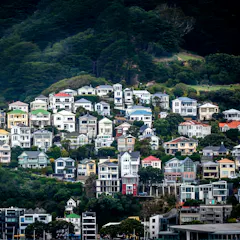
Research shows communities become more resilient to future crises when people have access to basic services such as supermarkets, hospitals and schools.
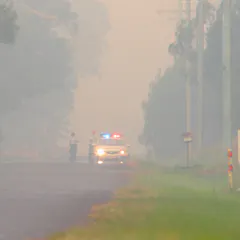
The disasters have come one after another. While they may not be entirely preventable, we can take many practical steps tailored to local needs and conditions to reduce the impacts on our cities.
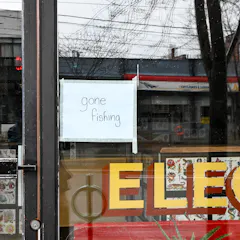
Businesses are struggling in these difficult times — but there is a shimmer of hope in the incredible creativity, ingenuity and resilience that we see from around the globe.
Top contributors
-

Research Fellow, Rural and Remote Health, University of Sydney
-
Professor and Inaugural Judith Neilson Chair in Architecture, UNSW
-
M.D. Student, University of Toronto
-
Lecturer in Politics and International Relations, Southern Cross University
-
Associate Professor, DeGroote School of Business, McMaster University
-
Senior Lecturer Above the Bar, Civil and Natural Resources Engineering, University of Canterbury
-
Research Fellow, Obafemi Awolowo University, Regional Coordinator, Institute for Security Studies
-
Senior Lecturer, School of Global, Urban and Social Studies, RMIT University
-
Associate professor, School of applied politics, Scientific codirector, CIDIS (Centre interdisciplinaire de développement international en santé), Université de Sherbrooke
-
Clinical Assistant Professor of Education, Health and Behavior Studies, University of North Dakota
-
Postdoctoral Research Fellow, Erb Institute for Global Sustainable Enterprise, University of Michigan
-
Professor at UTS Business School; Centre for Climate Risk and Resilience, University of Technology Sydney
-
Adjunct Research Fellow at the Cities Research Institute, Griffith University
-
Researcher, Department of Geography, Environment and Population, Adelaide University
-
Senior Lecturer, School of Environment and Science, Griffith University