
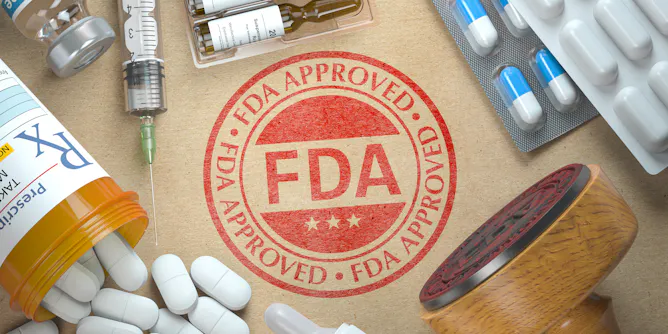
Regulatory loopholes for research conducted off US soil allow for questionable trials and misleading data to slip under the FDA’s radar.
Articles on Clinical trials
Displaying 41 - 60 of 224 articles
A new study suggests the market alone will not deter or punish pharmaceutical companies whose products turn out to have adverse effects after they have been approved.

The path to using old drugs for COVID is full of potholes. So why are we using the same old flawed methods when we actually know what works?
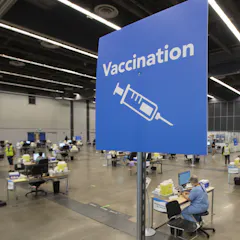
A medical student answers questions he gets asked at a COVID-19 vaccine clinic: Efficacy versus real-world effectiveness, immune response and how the mRNA vaccines compare to vaccines already in wide use.
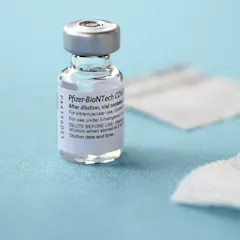
The U.S. FDA has approved the first COVID-19 vaccine. How is approval different from emergency use authorization, and what difference will it make to a vaccine that’s already in global use?
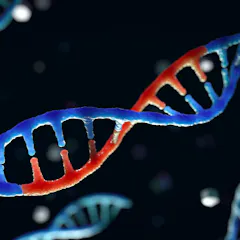
Potential benefits of human genome editing include new ways to diagnose, treat and prevent genetic disorders. But there’s a significant gap in regulation.
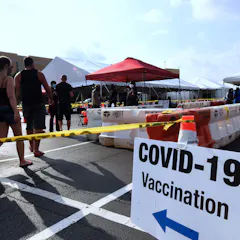
While emergency use authorization gets vaccines out to the public more quickly, it doesn’t skip any steps that full approval requires.

Vaccine efficacy is usually expressed as a percentage, but what is it actually measuring? Statisticians explain what the numbers mean, and what they say about how well a vaccine can protect us.

Three pioneering technologies have forever altered how researchers do their work and promise to revolutionize medicine, from correcting genetic disorders to treating degenerative brain diseases.
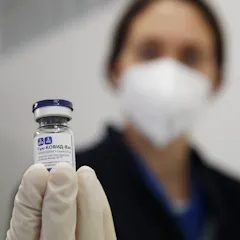
What kind of vaccine is Sputnik V, how does it work, and what data are we missing?
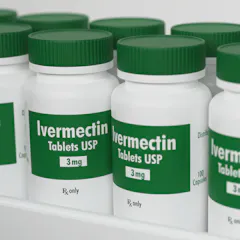
Investigations have led to the withdrawal of a study backing ivermectin to treat COVID-19. But that’s not the last time we’ll hear about this controversial drug.

Exclusion from clinical trials, lack of data and inconsistent information made it difficult for pregnant and breastfeeding people to make decisions about COVID-19 vaccines early in the rollout.
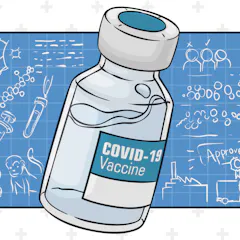
Ongoing tracking is meant to spot very rare risks – like the connection between the Johnson & Johnson shot and Guillain-Barré syndrome. And it relies on public reporting.
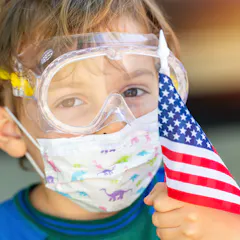
As many teens and adults in the US restart their social lives, parents of children under the age of 12 wonder when their kids will also be able to experience the freedom that comes with vaccination.

Relying on donor funding means that the funder ultimately determines the health priorities. This is one reason why many programmes in Africa focus on a single disease such as HIV.
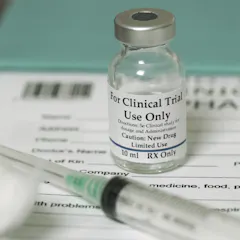
A new network of public clinical trials institutes is urgently needed to replenish the empty pipeline for new antibiotics.
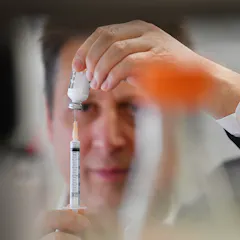
While it’s potentially promising, there’s not enough information yet to determine if the vaccine is safe and effective.

Even if we came up with a definition of what makes the “best” vaccine, we don’t have the luxury of choice, when vaccines are in short supply.

The new drug is based on the idea that a build-up of amyloid in the brain leads to the disease. But that hypothesis has been under scrutiny lately.

The FDA approved Alzheimer’s disease drug aducanumab despite minimal evidence of its efficacy. Whether this decision ultimately hurts or helps patients depends on data researchers don’t yet have.
Top contributors
-

Professor and Director of the Stoneygate Centre for Excellence in Empathic Healthcare, University of Leicester
-
Professor of Pharmaceutical Chemistry, Macquarie University
-
Associate professor, Department of Family and Community Medicine, University of Toronto; York University, Canada; University of Sydney
-
Epidemiologist, Cochrane
-
Head of School and Dean of Pharmacy, University of Sydney
-
Professor of medicine, epidemiology & biostatistics, and philosophy, Western University
-
Professor of Immunology, RMIT University
-
Professor of Biostatistics and Epidemiology, Adelaide University
-
Distinguished Professor of Pharmacy Practice, University of Connecticut
-
Senior Lecturer Biostatistics and Data Management, The University of Queensland
-
Membre du comité d'éthique de l'Inserm, Inserm
-
Biostatistician, The University of Melbourne
-
Professor of Bioethics & Medicine, Sydney Health Ethics, Haematologist/BMT Physician, Royal North Shore Hospital and Director, Praxis Australia, University of Sydney
-
Professor of Law, Villanova University
-
Professor, UNSW