
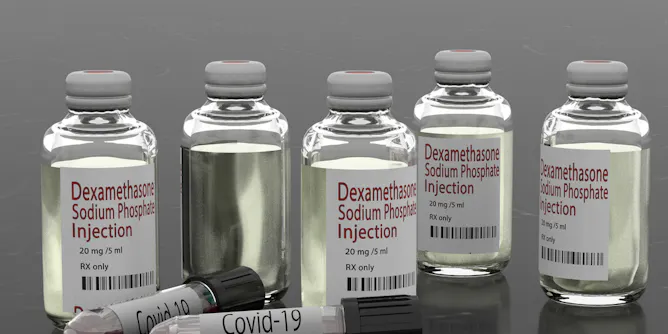
Common and cheap drugs save lives of patients critically ill with COVID-19, a new analysis shows. But these corticosteroids are not a cure.
Articles on Clinical trials
Displaying 81 - 100 of 224 articles
Most medical treatments don’t work according to the best evidence.
The head lice drug ivermectin is being touted as a coronavirus killer. But studies suggest it would need to be taken in mega-doses far higher than those currently used, with unknown side-effects.
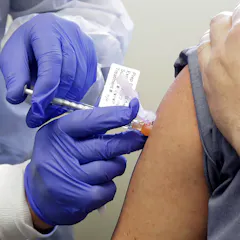
Conventional trials to test coronavirus vaccines are paradoxically slowed down by actions to curb the disease’s spread. Human challenge trials are more controversial, but could speed up the process.
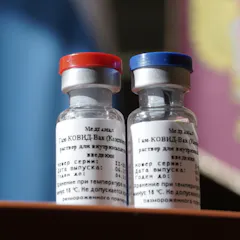
As Russia fast tracks a coronavirus vaccine, scientists worry about skipped safety checks – and the potential fallout for trust in vaccines if something ends up going wrong.
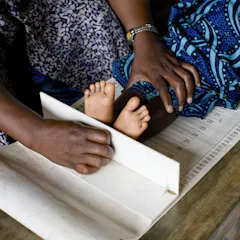
As antimicrobial resistance increases, the options for treating serious infections dwindle. Doctors need reliable information about which treatments to try out.

Further tests are needed but a trial showed that, when compared against placebo treatment, those given the drug had a 79% lower risk of developing severe disease.

The race is on to develop a vaccine for the COVID-19 coronavirus. Australian researchers are leading several major clinical trials that might help bring an end to the deadly disease.
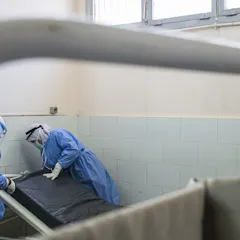
Investments are starting to help grow the African continent’s science preparedness.
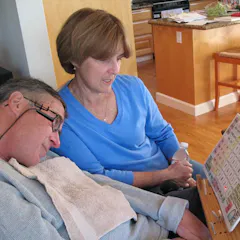
Amyotrophic lateral sclerosis, Lou Gehrig’s disease, is a crippling, progressive neurodegenerative disease for which there is no cure. Now it seems that a diabetes drug may help some cases.
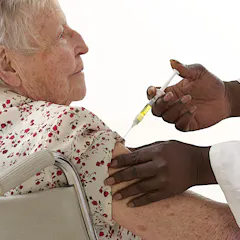
Immunosenescence — the decline of immune system function with age — means that vaccines are not as effective in older adults, the demographic most susceptible to many diseases, including COVID-19.
The experimental vaccine stimulates the creation of antibodies. Now we need to show that these effectively protect us from the coronavirus.

Pluralism — the active process of inclusion — could reduce disparities in some of the most pressing health issues of our time.
A vaccine that’s 70% effective might not be good enough if too few people are willing to be vaccinated, new research shows.
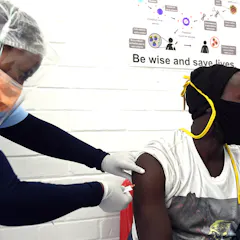
In a pandemic like this one, the priority is to save lives. But without a vaccine, there’s a limit in the tools available to save lives.
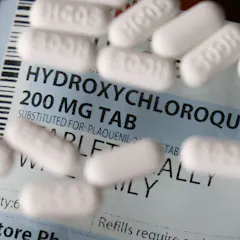
Severe scrutiny of two major papers, including one about the effectiveness of hydroxychloroquine, is part of science’s normal process of self-correction.
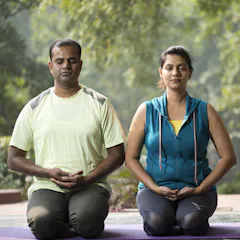
The body has many natural defenses against viruses and other pathogens. One antiviral molecule produced in the body is nitric oxide and it is created when we breathe in through the nose.
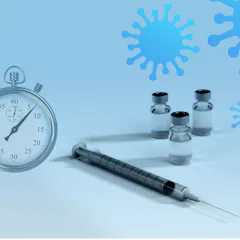
It usually takes 10 years for a new vaccine to complete clinical trials, but we’ve been promised a COVID-19 vaccine in 12 to 18 months. Even if such fast-tracked development is possible, is it wise?
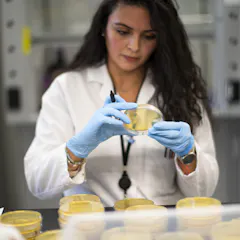
The FDA has sped up its approval process for coronavirus treatments, creating a new division to expedite the regulatory process. But is safety being sidelined for speed?
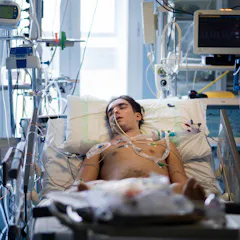
Why does COVID-19 hit men harder than women? Is the disparity in mortality rates due to male hormones or an underlying difference in the male versus female immune system?
Top contributors
-

Professor and Director of the Stoneygate Centre for Excellence in Empathic Healthcare, University of Leicester
-
Professor of Pharmaceutical Chemistry, Macquarie University
-
Associate professor, Department of Family and Community Medicine, University of Toronto; York University, Canada; University of Sydney
-
Epidemiologist, Cochrane
-
Head of School and Dean of Pharmacy, University of Sydney
-
Professor of medicine, epidemiology & biostatistics, and philosophy, Western University
-
Professor of Immunology, RMIT University
-
Professor of Biostatistics and Epidemiology, Adelaide University
-
Distinguished Professor of Pharmacy Practice, University of Connecticut
-
Senior Lecturer Biostatistics and Data Management, The University of Queensland
-
Membre du comité d'éthique de l'Inserm, Inserm
-
Biostatistician, The University of Melbourne
-
Professor of Bioethics & Medicine, Sydney Health Ethics, Haematologist/BMT Physician, Royal North Shore Hospital and Director, Praxis Australia, University of Sydney
-
Professor of Law, Villanova University
-
Professor, UNSW