
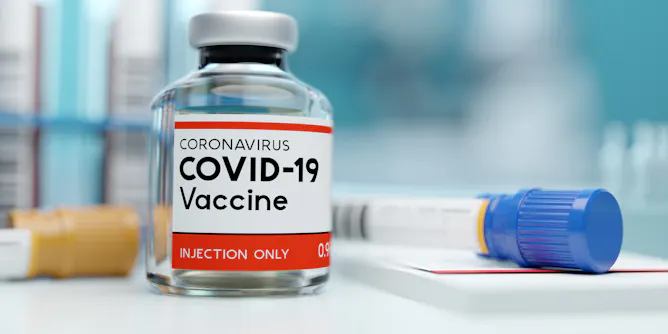
There is a growing call for so-called challenge trials to speed up vaccine development.
Articles on Clinical trials
Displaying 101 - 120 of 224 articles

Early clinical trials into ginseng, rhubarb and rice paved the way for testing coronavirus treatments today.
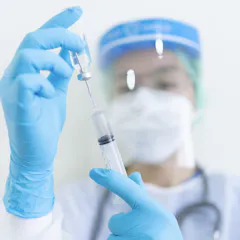
Drugs and vaccines to fight the coronavirus are already in clinical trials. It is important to understand the difference between each step in this process as efforts to fight COVID-19 continue.

Our expert assessed all the controlled studies so far on hydroxychloroquine. His findings may surprise you.
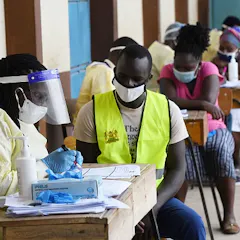
Africa needs to be better prepared to deal with future pandemics. That should start with a re-assessment of how countries invest in – and support – local research.
The only way to know if a medical treatment actually works is with a randomized-controlled trial.
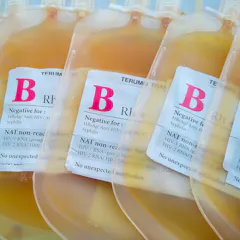
A century old therapy is being tested on patients with COVID-19.

A simple head-to-head trial would resolve this conflict once and for all.
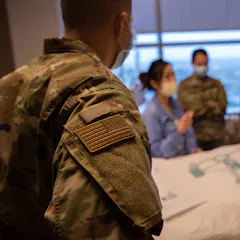
Army physicians are turning to drugs approved for other conditions or newly developed treatments such as the antiviral Remdesivir to treat infected personnel.

Vaccine development is usually a long process. The coronavirus pandemic is forcing researchers to innovate and test potential vaccines faster than ever before.
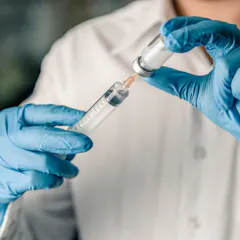
A vaccine historically used to prevent tuberculosis is now among the contenders for a COVID-19 vaccine. So what is the BCG vaccine and why might it work against coronavirus?
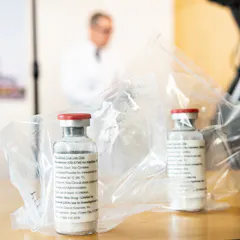
Preliminary results from a US trial show remdesivir may help in treating COVID-19. But the findings haven’t been peer-reviewed, and the results from other clinical trials have shown little effect.
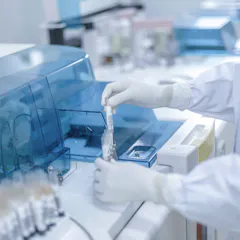
To refuse inclusion would prevent Africa’s researchers from being significant players in the universal fight against the virus.
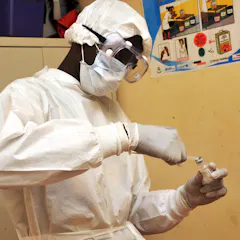
More countries on the African continent must urgently get involved in clinical trials so that the data collected will accurately represent the continent at a genetic level.
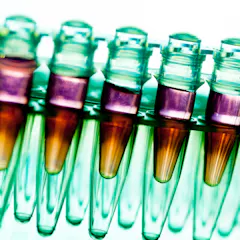
PODCAST: The first episode of a new series from The Anthill focuses on precision medicine.
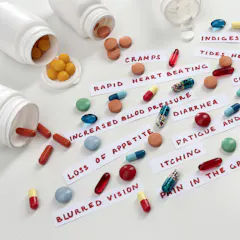
Recent evidence about the existence of nocebo effects has revealed that the way patients are informed about treatment side-effects is unethical.

The 2019 Nobel Prize in Economics pays tribute to randomized control trials, but can they really help us fight poverty?
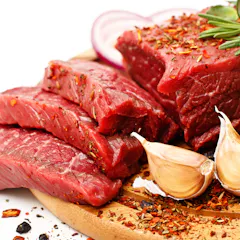
New research claiming that people do not need to reduce their consumption of red and processed meat says more about the conduct and evaluation of research than it does about beef.

Clinical trials are used to establish that medicines work. But these don’t take into account the genetic differences between us that can mean very different outcomes for different patients.

Alzheimer’s disease is the most common form of dementia. Despite all efforts, no treatments have been found yet. To increase the odds, we need to rethink our approach and try to better understand it.
Top contributors
-

Professor and Director of the Stoneygate Centre for Excellence in Empathic Healthcare, University of Leicester
-
Professor of Pharmaceutical Chemistry, Macquarie University
-
Associate professor, Department of Family and Community Medicine, University of Toronto; York University, Canada; University of Sydney
-
Epidemiologist, Cochrane
-
Head of School and Dean of Pharmacy, University of Sydney
-
Professor of medicine, epidemiology & biostatistics, and philosophy, Western University
-
Professor of Immunology, RMIT University
-
Professor of Biostatistics and Epidemiology, Adelaide University
-
Distinguished Professor of Pharmacy Practice, University of Connecticut
-
Senior Lecturer Biostatistics and Data Management, The University of Queensland
-
Membre du comité d'éthique de l'Inserm, Inserm
-
Biostatistician, The University of Melbourne
-
Professor of Bioethics & Medicine, Sydney Health Ethics, Haematologist/BMT Physician, Royal North Shore Hospital and Director, Praxis Australia, University of Sydney
-
Professor of Law, Villanova University
-
Professor, UNSW