
It sounds too good to be true, a vaccine that can protect against future virus variants. But governments around the world are keen to learn more.
Articles on Clinical trials
Displaying 61 - 80 of 224 articles

It was first officially described 115 years ago, but we still do not have a cure for Alzheimer’s disease. The human brain is extremely complex, and Alzheimer’s is its most complex disease.

With four COVID-19 vaccines approved for use in Canada, it’s time to answer FAQs about efficacy, immunity, eradication and variants.
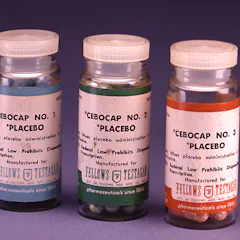
A whistle-stop tour of the history of placebos.
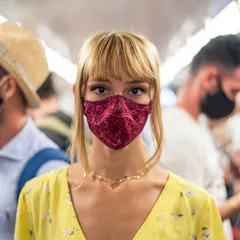
We still don’t know if current vaccines prevent people from transmitting the virus to others. Here’s why that matters in 2021.
The reason the vaccine appears to have worked better in participants who initially received only half a dose is still somewhat of a mystery.
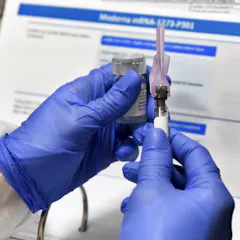
With COVID-19 vaccine announcements making headlines, non-scientists need to know what clinical trial results mean. Here are some key points to look for in vaccine trial reports.
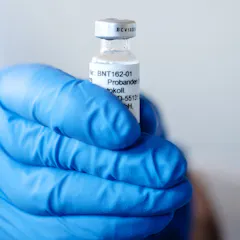
Vaccines are being touted as taking seven to ten years to develop. But you shouldn’t be worried that COVID vaccines only took less than a year.
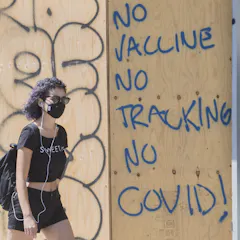
COVID-19 vaccines are at risk of being undermined by vaccine hesitancy. Pharma must take steps to ensure transparency in data monitoring committees and trial data to build public trust in vaccines.

Early data shows that vaccines work for older people who are more at risk of severe COVID-19.

Asking these four questions can help us identify good news when we see it, be more critical of news reports, or delay our judgement until we have more information.
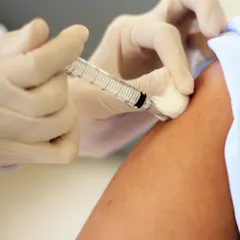
The recent vaccine trial results certainly look impressive, but here’s how to fully interrogate what they mean.
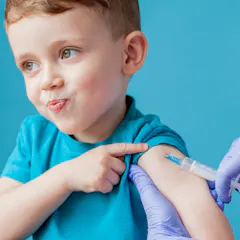
Any COVID-19 vaccine is likely to be given first to higher risk groups before it is given to children. But we still need vaccines that are safe and effective for them too.
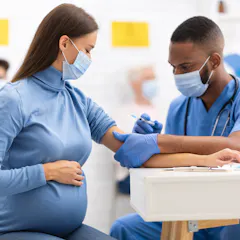
Pregnant women are at increased risk for serious COVID-19 complications and should be a high-priority group for vaccination. Excluding them from vaccine trials puts them and their offspring at risk.
There are many scientific and ethical challenges ahead. But these types of trials have helped in the development of vaccines against a few diseases. Could they do the same for COVID-19?

Australia’s contribution to the global COVAX initiative helps secure future vaccines. Here’s the full field of candidates.

Will a vaccine for COVID-19 be safe? Animal testing, human clinical trials and post-approval surveillance give us good grounds to believe that a future approved vaccine will work and be safe.
Stoppages of clinical trials are a normal part of the testing process, and show that patient safety is being taken seriously.
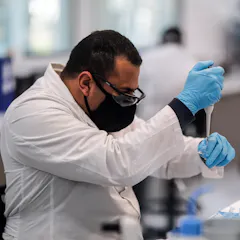
The COVID-19 vaccine is in the final stages of testing – meaning we should know whether it’s effective before the end of the year.
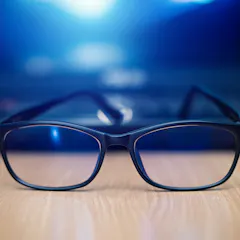
Some health products haven’t been tested for the benefits that they claim to produce. Blue-light blocking lenses are promoted as helping sleep cycles, but there is no evidence to support this.
Top contributors
-

Professor and Director of the Stoneygate Centre for Excellence in Empathic Healthcare, University of Leicester
-
Professor of Pharmaceutical Chemistry, Macquarie University
-
Associate professor, Department of Family and Community Medicine, University of Toronto; York University, Canada; University of Sydney
-
Epidemiologist, Cochrane
-
Head of School and Dean of Pharmacy, University of Sydney
-
Professor of medicine, epidemiology & biostatistics, and philosophy, Western University
-
Professor of Immunology, RMIT University
-
Professor of Biostatistics and Epidemiology, Adelaide University
-
Distinguished Professor of Pharmacy Practice, University of Connecticut
-
Senior Lecturer Biostatistics and Data Management, The University of Queensland
-
Membre du comité d'éthique de l'Inserm, Inserm
-
Biostatistician, The University of Melbourne
-
Professor of Bioethics & Medicine, Sydney Health Ethics, Haematologist/BMT Physician, Royal North Shore Hospital and Director, Praxis Australia, University of Sydney
-
Professor of Law, Villanova University
-
Professor, UNSW