
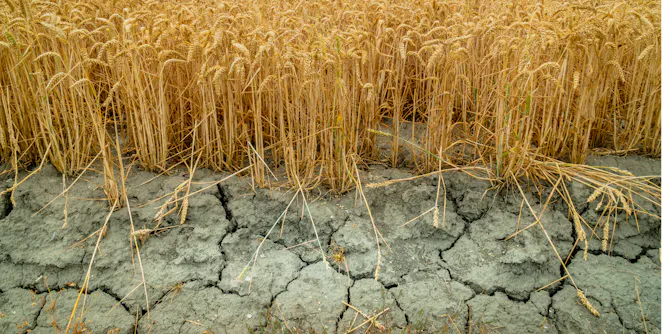
When economists model climate impacts, they look to what past weather shocks have done to the economy. But this does not remotely capture what climate change could do.
Articles on Climate resilience
Displaying 41 - 60 of 70 articles
Primary health care systems must become more resilient as the effects of climate change worsen.
Instead of the deluge of external interventions, ways must be found to build resilience from below, drawing on local practices and networks.
Flood and cyclone damage shows why turning Auckland and other urban parts of New Zealand into ‘sponge cities’ is the right idea. But overseas experience from China and beyond shows it won’t be cheap.
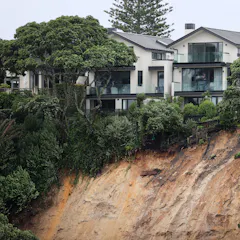
Storms, flooding and other climate-related events highlight the urgent need for a national managed retreat framework. Past experiences suggests it will involve many challenges.

The sea level around Vanuatu is rising at a rate nearly twice the global average. New research tells a story of both loss and resilience.
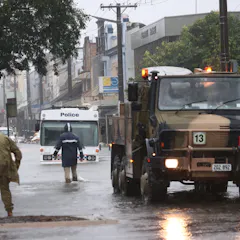
The federal election presents an opportunity to promote plans for improving national disaster governance and resilience. But the silence on these issues in political debates has been remarkable.

Disasters are becoming more frequent and severe as the climate heats up – but Australia is badly under-prepared.

Southern Tasmania’s cool climate was thought to be a climate refuge for tall forests. But that may no longer be true.
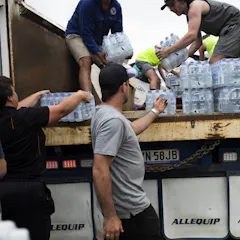
Disaster-affected communities form the backbone of any disaster response. But survivors are often underutilised in shaping plans for their community’s longer-term recovery and preparedness efforts.
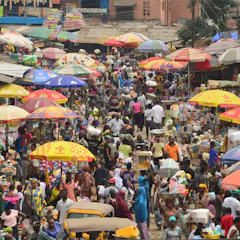
The African continent stands to lose the most from climate change - here’s what local governments can do to protect it.
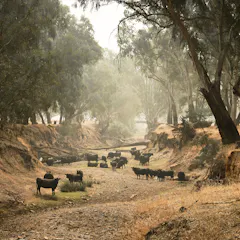
We need to urgently address the gaps in Australia’s capacity to manage disasters that have widened since climate adaptation was relegated to the back burner.
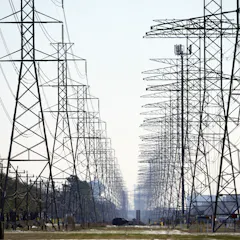
Disasters highlight the cost of society’s love of efficiency. Nature, in contrast, favors resilience. Being more like nature offers benefits for society, especially in the face of the climate crisis.
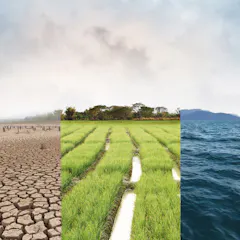
A holistic view of climate change risk considers climate hazards, exposure, vulnerability and the responses to these. It also takes into account how multiple risks interact.
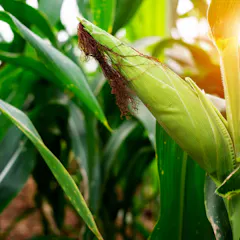
Large-scale droughts can have cascading impacts on food security. They can reduce yield, increase food prices, trigger changes in consumption and lead to unstable supply.
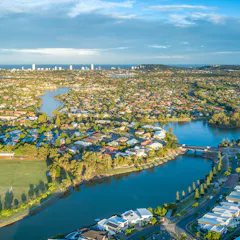
Infrastructure is often seen as the main way to reduce the impacts of climate-related disasters like floods and drought. But cities are complex systems with many factors affecting their resilience.
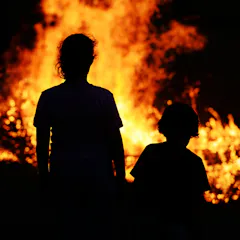
Following the 2009 Victorian Black Saturday bushfires, more than half the women in one study reported experiencing domestic and family violence. Many had never experienced it before.
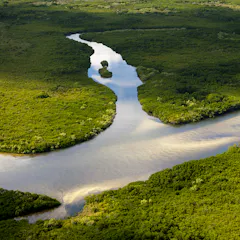
Wetlands bear the brunt of much storm damage to the coast. But over the past 300 years, 85% of the world’s wetland area has been destroyed.
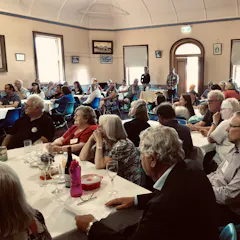
The small fire and heatwave prone town of Tarnagulla got together, applied for funding and co-produced a resilience action plan so they’re better prepared for the next disaster.
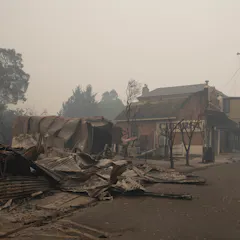
Australia can learn from how India used community hubs to bridge the gap between government and local communities in the challenging years of reconstruction.
Top contributors
-

Senior Lecturer, School of Global, Urban and Social Studies, RMIT University
-
Associate Head of Research and Knowledge Exchange - Reader in Plant Science, Edge Hill University
-
Research Associate, University of Tasmania
-
Professor of Environmental Planning, University of Waikato
-
Professorial Fellow, Institute of Development Studies
-
Senior Lecturer in Climate Science, Imperial College London
-
PhD candidate, Institute of Development Studies
-
PhD Student in Computational Biology, USC Dornsife College of Letters, Arts and Sciences
-
Research fellow, Environmental Sustainability Research Centre, Brock University
-
Senior Lecturer in Environmental Planning, University of Waikato
-
Professor, Climate | Policy | Sustainability, York St John University
-
Senior Research Fellow in Climate Change Risks, University of Cape Town
-
Researcher in sustainable food systems, The University of Melbourne
-
Postdoctoral Research Fellow, UNSW
-
Professor, Biological Sciences and Psychology, Brock University