
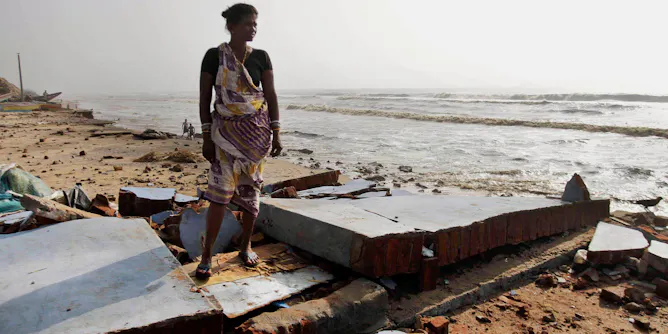
Researchers spoke to relocated people in India and Bangladesh to find out what worked.
Articles on Climate migration
Displaying 1 - 20 of 46 articles
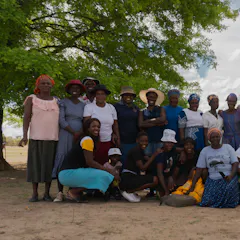
New research shows how women in rural Zimbabwe rebuilt their lives after Cyclone Dineo displaced hundreds of families and swept away their homes.

Artists are attempting to make the lives of forced migrants easier to relate to through the creation of video games.
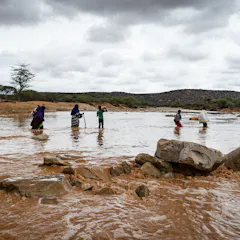
Global warming is moving faster than the policy decisions that could protect vulnerable populations.
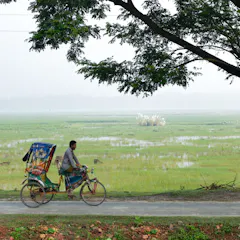
Decisions to migrate in response to climate stress are rarely personal choices and there’s such a huge diversity of household migration patterns.
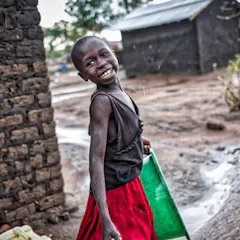
But researchers say the system generates questionable climate benefits, while locking refugees into low-wage labour – new study.
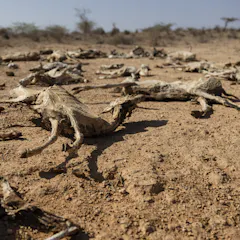
Without rapid cuts to fossil fuels and a shift to clean energy, climate change could drive over a billion into hunger by 2100, hitting Africa hard.
Governments have been warned about climate change for 70 years. They’re still suppressing the worst news.
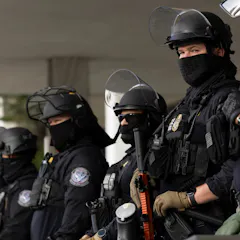
Climate change is already linked to mass deportation – and the worst is still to come.
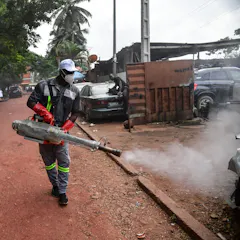
Climate-caused heat and floods help disease-carrying insects spread to new places.
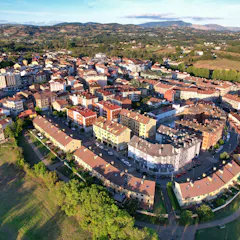
Our study shows that climate change is increasing property values in the country’s cooler north, and reducing them in the hotter south.

As climate change worsens extreme weather events, people in rural areas will increasingly seek refuge in urban areas. Cities must prepare to host and care for them.
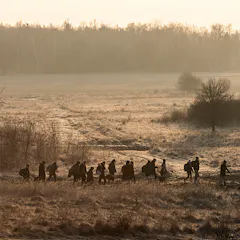
International migration from climate change is the exception, not the norm.
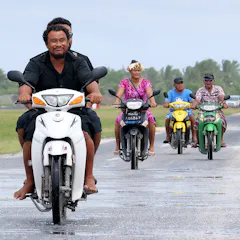
The rush for ‘climate visas’ to escape Tuvalu shows the extraordinary need for schemes that enable people to migrate in a warmer world.

As climate change leads to more extreme weather, temporary climate displacement could become permanent migration.
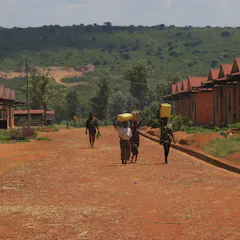
The Rwandan government moves people at risk of natural disasters or homelessness into safer villages.
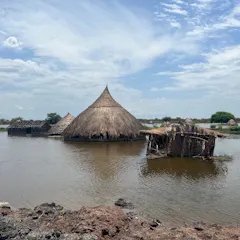
Hundreds of thousands of people have been forced from their homes and might never return.
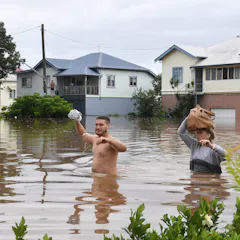
Climate change is increasing the risks of extreme heat, floods and bushfires, meaning more people are having to consider moving home. But different people come to different decisions.
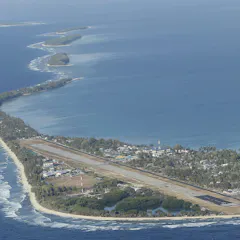
The climate migration deal has been dubbed as offering Tuvaluans a lifeline, but others say it is a neocolonial arrangement that does not tackle rising ocean levels.
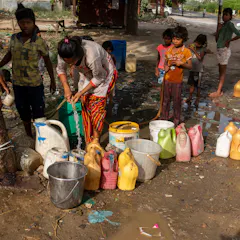
Most of the 1 billion people in informal settlements are in the tropics where the threat of humid heat is rising. Poor weather station coverage that misses local hotspots puts them even more at risk.
Top contributors
-

Visiting professor, Harvard University
-
Scientia Professor and ARC Laureate Fellow, Kaldor Centre for International Refugee Law, UNSW
-
Senior Lecturer in Human Geography, University of Exeter
-
PhD Candidate, Political Science/Middle Eastern Studies, Lund University
-
Human Geographer, University of the Sunshine Coast
-
Lecturer in Environmental Economics, Ca' Foscari University of Venice
-
Associate Senior Lecturer, Lund University
-
PhD Candidate in Geography, University of Cambridge
-
Honorary Professor, Strategic and Defence Studies Centre, Australian National University
-
Research Affiliate in Climate Adaptation, Monash University
-
Professor, Urban Planning and Public Policy, University of California, Irvine
-
Associate Professor, School of Earth and Environmental Sciences, The University of Queensland
-
Associate Professor in Human Geography, Durham University
-
Associate professor of marketing, University of Jyväskylä
-
Professor in Geography, The University of Melbourne