
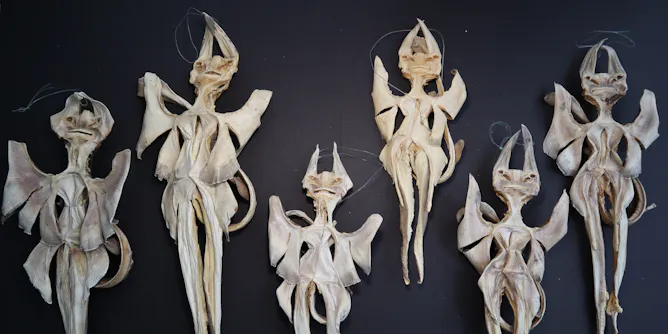
They look like devils and hence are called pez diablo in Spanish, but these demonic objects are dried and mutilated versions of living rays known as guitarfish.
Articles on Conservation biology
Displaying 1 - 20 of 32 articles
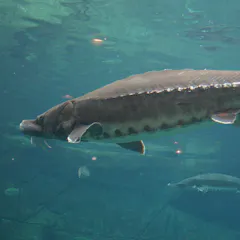
Research that combined archaeology, history and ecology provides a nuanced understanding of the past that could help conservationists better plan for the future.
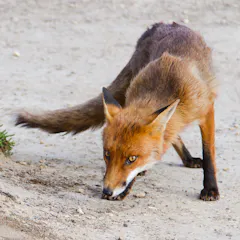
Even though 1080 is derived from native plants, not all of Australia’s native species are resistant to this lethal poison.

Imagine using tailored soundscapes to restore ecosystems, simply by amplifying recordings of sonic cues that attract wildlife, stimulate plant growth and rebuild relationships between species.
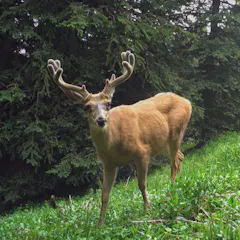
The proliferation of camera traps provided a rich source of observational information about animal behaviour during the pandemic.
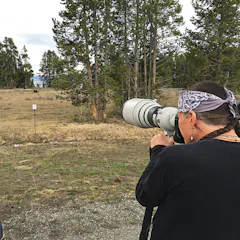
The caption may say that only scientists and trained professionals should handle wild animals, but viewers remember the image, not the words.
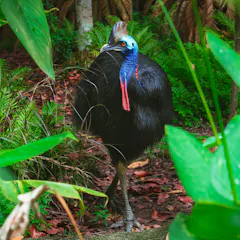
Dozens of species have been coaxed back from oblivion, with fenced havens, conserved habitat, islands and feral predator control vital.
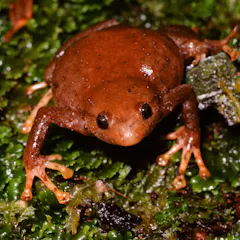
Melanesia’s tropical islands are home to at least 700 species of frogs – many with tiny ranges. We must safeguard these biological treasures.
Journals, museum collections and other historical sources can provide valuable data for modern ecological studies. But just because a source is old doesn’t make it useful.
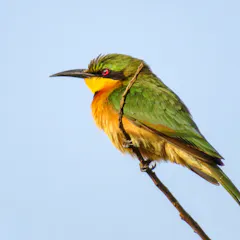
Monitoring bird population trends in Nigeria is a valuable activity – but it requires trained people and commitment over the long term.
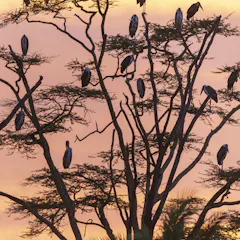
As a major conference on the global biodiversity crisis opens in Montreal, a conservation biologist explains how ideas about protecting nature have evolved over the past 40 years.
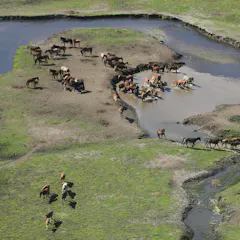
Compassionate conservationists believe all animals have a right to be here, even introduced species like wild horses. Their vocal critics are avoiding vital ethical questions around conservation.
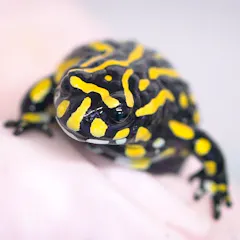
The rapid rate of species declines means we should trial potential solutions before it’s too late.
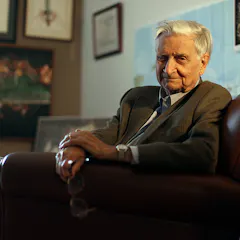
E.O. Wilson was one of the world’s leading experts on ants, but his other passion was convincing humans to see themselves as part of the natural world.
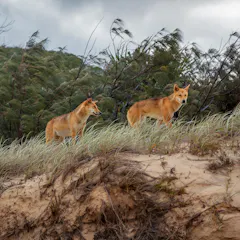
Dingoes have evolved under Australian conditions. That’s just one step in the path the iconic dog has taken to become native.
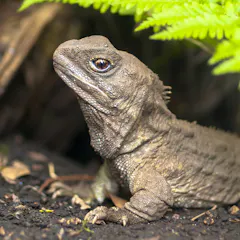
The male anatomy of tuatara, the last representatives of an ancient lineage, is unique among reptiles. They lack a penis, which has made sperm collection a major challenge – until now.
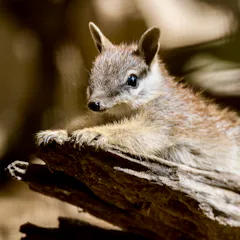
Given the scale of the problem, five years was never enough time to turn things around. Clearly, we must reflect honestly on our successes and failures so far.

In the design of marine protected areas, new research suggests that it might be better to start small in order to gain local trust and support that leads to larger long-term benefits.
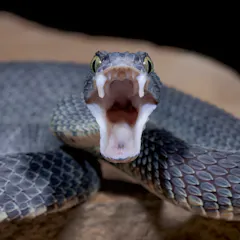
Some snakes have tough, blunt fangs for cracking crabs. Others have sharp needles for getting a grip on mice.
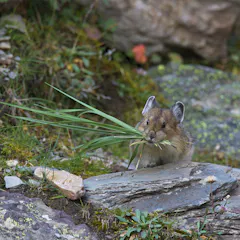
Pikas – small cousins of rabbits – live mainly in the mountainous US west. They’ve been called a climate change poster species, but they’re more adaptable than many people think.
Top contributors
-

Lecturer in the School of Applied Sciences, Edinburgh Napier University
-
Professor in Wildlife Ecology and Conservation, School of Life & Environmental Sciences, Deakin University
-
CEO, Lead Scientist - eOceans, Dalhousie University
-
Lecturer in Conservation Biology, University of Exeter
-
Chair of the IUCN Spider and Scorpion Specialist Group, Zoological Society of London
-
PhD candidate, Monash University
-
Professor of Conservation Biology, School of Life and Environmental Sciences, University of Sydney
-
Professor of Conservation Biology, Te Herenga Waka — Victoria University of Wellington
-
Future Fellow in Ecology, Queensland University of Technology
-
Senior Lecturer in Digital Ethics; Deputy Director, Centre for AI and Digital Ethics, The University of Melbourne
-
André Hoffmann Fellow, Stanford University
-
Senior Lecturer, Griffith University
-
Professor of Conservation Biology, Charles Darwin University
-
Professor of Conservation and Sustainable Livelihoods, Charles Darwin University
-
Professor of Genetics, University of Pretoria