

If people rely on ChatGPT or Google for complex medical questions, they could come unstuck.
Articles on Chatbots
Displaying 141 - 160 of 197 articles

As human interactions with technology increase, AI-based religions are in our near future. While these religions carry risks for users, a tolerant mindset is important to consider worshippers’ rights.

AI chatbots can provide people with immediate help, but the technology is still far from capable of replacing human therapists.

Students could learn about critical thinking, writing and the broader role of artificial intelligence tools like chatbots.
AI chatbots can’t take responsibility for what they say, so we shouldn’t trust them.

Rather than seeing artificial intelligence as the cause of new problems, we might better understand AI ethics as bringing attention to old ones.

New technologies are often surrounded by hopeful messages that they will alleviate poverty and bring about positive social change. History shows these assumptions are often misplaced.

ChatGPT could lead to substantial learning gains if it’s used as a tutor, an online learning specialist says.
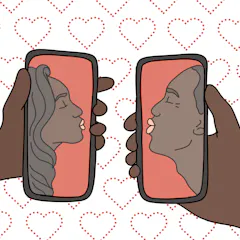
Confident chatbots could undermine trust and romance - but probably won’t. They may even enhance online dating.
Could Google’s undisputed dominance as a search engine come under threat from AI?
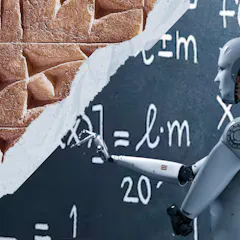
ChatGPT threatens to change writing as we know it. But the Mesopotamians, who lived 4,000 years ago in modern-day Iraq, went through this kind of seismic change before us, when they invented writing.

Will it give Microsoft a chance to overtake Google in the search space?
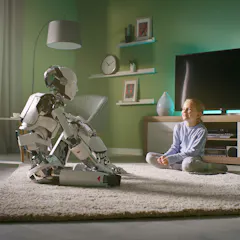
ChatGPT and other AI chatbots seem remarkably good at conversations. But you can’t believe anything they say. Sometimes, though, reality isn’t the point.

ChatGPT is a sophisticated AI program that generates text from vast databases. But it doesn’t understand the information it produces, which also can’t be verified through scientific means.

Some think ChatGPT threatens education, but it might benefit educators and students alike.

The rise of AI chatbots provides an opportunity to expand the ways we do philosophy and research, and how we engage in intellectual discourse.

While ChatGPT has the potential to enhance marketing effectiveness, it can’t replace human creativity or form meaningful connections with customers like humans can.
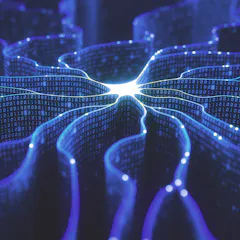
Artificial intelligence has arrived. But what is it, exactly – and what’s behind some of the most splashy AIs we have encountered to date?

AI models can now produce meaningful responses to exam and assignment questions. We’ll have to embrace them if we want the next few years to go smoothly.
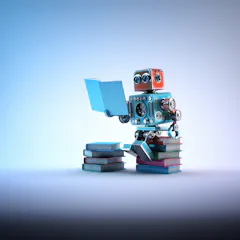
The newest OpenAI text-generator is a marked improvement over its predecessor – but it still has its pitfalls.
Top contributors
-

Senior Research Scientist at the Australian E-Health Research Centre, CSIRO
-
Senior Lecturer in Business Information Systems, University of Sydney
-
Associate Professor of Linguistics and Director of Language Lab, The University of Western Australia
-
Director, Centre for Professional and Applied Ethics, University of Manitoba
-
Principal Research Scientist, Australian eHealth Research Centre, CSIRO
-
Professor in Business Information Systems, University of Sydney
-
Assistant Professor in Health Ethics, Simon Fraser University
-
Associate Professor in Marketing, Keele University
-
Adjunct Fellow, Centre for Policy Futures, The University of Queensland
-
Professor of Creative Pedagogies, Edinburgh Napier University
-
Associate professor, Australian Catholic University
-
Associate Dean, Interaction, Technology and Information, RMIT University
-
Professor in Information and Communication Technology Policy, Concordia University
-
Professor Emerita of Religious Studies, College of the Holy Cross
-
Research Fellow, Kinsey Institute, Indiana University