

BlenderBot3’s distaste for its creator sits uncomfortably with its taciturn approach to hate speech.
Articles on Chatbots
Displaying 161 - 180 of 197 articles
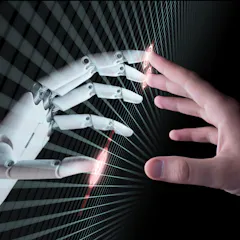
A Google employee’s claims that one of its chatbots is sentient has caused a stir across the world.

The recent case of a man making a simulation of his deceased fiancée raises important questions: while AI makes it possible to create “deadbots”, is it ethically desirable or reprehensible to do so?
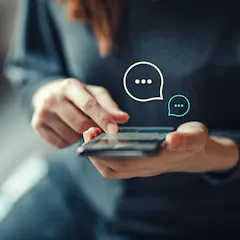
We developed a prototype messenger chatbot that helps women in South Australia through the steps involved in acquiring ID after exiting prison.

Chatbots can be part of a broader approach universities’ teaching and learning centres can take to support faculty in innovating teaching practices.

New research puts the spotlight on how customers deal with chatbots and suggests ways to improve these sometimes frustrating experiences.
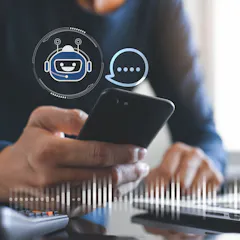
Individuals who experience suicidal thoughts can show signs of this in the language they use. We analysed more than 100 suicide notes to find these language patterns.

You may not have heard of conversational commerce, but it’s quietly appearing in more and more places.

Banks that do not have chatbots should explore the options of integrating them into their operations.

Endearing and amusing, AI’s faltering attempts at flirting show how far computer-generated language has come.
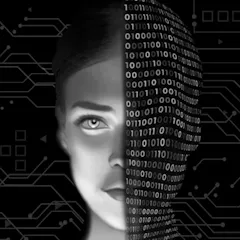
Virtual assistants and robots are frequently given female attributes. To curb the massive use of such gendering in AI, we need to better understand the deep roots of this phenomenon.
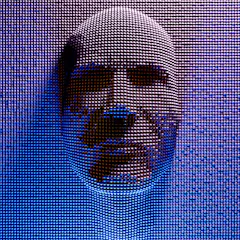
Our newfound ability to reincarnate the dead as chatbots presents several legal and ethical dilemmas.
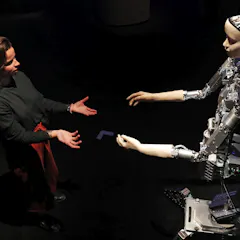
AI chatbots can provide mental health support for people who are isolated during the COVID-19 pandemic.
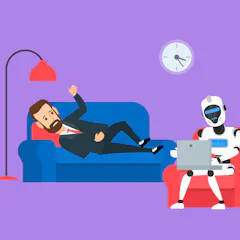
Psychological assessment and treatment is based on well-defined rules, which makes it ripe for a robot takeover.
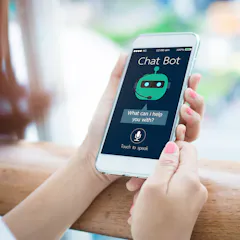
It may not be long before Australia’s health sector offers predictive genomic analysis to patients. If this happens, could chatbots help lessen the load on genetic counsellors?

Machine logic can be too precise to seem fully human. Chatbots that learn logic from Aristotle instead might behave more like people.

AI-powered tools have proven helpful for some couples trying to separate. But human relationships exist along a complicated spectrum, and even this advanced tech can’t grasp it all.
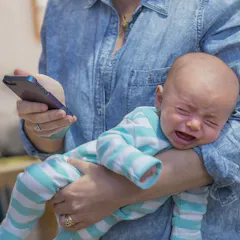
Mobile health apps, teleconferencing with experts and thoughtfully designed educational platforms can all help families during the chaotic and confusing early years.
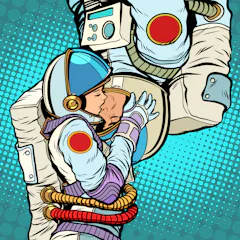
Sex technologies and ‘erobots’ could help address issues related to human desire, and physical and emotional needs of astronauts in space.

Casting James Dean in a new movie points to a bigger problem for us all: protecting the digital dead from the living.
Top contributors
-

Senior Research Scientist at the Australian E-Health Research Centre, CSIRO
-
Senior Lecturer in Business Information Systems, University of Sydney
-
Associate Professor of Linguistics and Director of Language Lab, The University of Western Australia
-
Director, Centre for Professional and Applied Ethics, University of Manitoba
-
Principal Research Scientist, Australian eHealth Research Centre, CSIRO
-
Professor in Business Information Systems, University of Sydney
-
Assistant Professor in Health Ethics, Simon Fraser University
-
Associate Professor in Marketing, Keele University
-
Adjunct Fellow, Centre for Policy Futures, The University of Queensland
-
Professor of Creative Pedagogies, Edinburgh Napier University
-
Associate professor, Australian Catholic University
-
Associate Dean, Interaction, Technology and Information, RMIT University
-
Professor in Information and Communication Technology Policy, Concordia University
-
Professor Emerita of Religious Studies, College of the Holy Cross
-
Research Fellow, Kinsey Institute, Indiana University