
The world is facing one of the century’s biggest challenges: How to nutritiously feed the growing population, address climate change and not destroy the ecosystems on which we all depend for life.
Articles on Carbon
Displaying 61 - 80 of 178 articles
More carbon dioxide in the air doesn’t necessarily mean more growth for trees, and the increasing risk of wildfires and drought has major consequences, as an interactive map shows.
Maintaining ecological balance in savannas is essential
Many of Africa’s forests are unknown to the public at large, yet so fascinating and important.
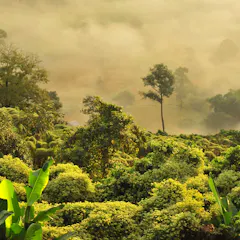
Many see carbon markets as key to channelling billions of dollars into reducing carbon emissions and protecting forests, but they also put the well-being of communities at risk.
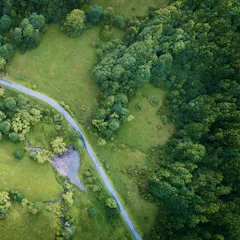
A tax credit for companies that invest in carbon capture technology would divert financing away from cheaper and safer climate solutions.
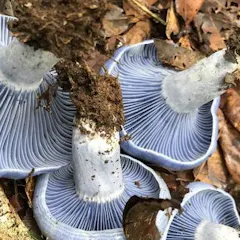
Inoculating trees with an edible fungi can produce more protein per hectare than pasture-raised beef, while reforesting, storing carbon and restoring biodiversity.
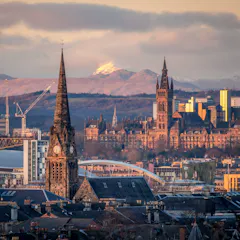
By measuring emissions in real time, cities can take stronger action against air pollution and global warming.

Carbon capture technologies have been labelled as a distraction. But as we enter the all-hands-on-deck phase of tackling climate change, they must not be ignored.
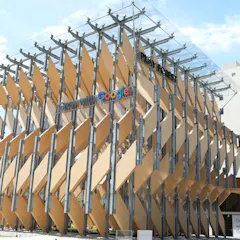
As more companies feature wood and other bio-based products in their offices, what are opportunities and limitations of making corporate net-zero carbon pledges about building materials?
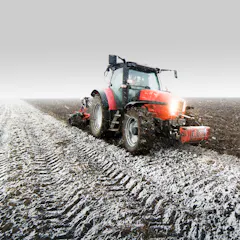
Soil health is at the heart of new government plans for farm payments with policies to increase soil organic matter and promote winter cover.

Mountains can’t be created without lubricant, and 2 billion years ago that lubricant was graphite produced by the carbon broken down from layers of dead plankton on the ocean floor.
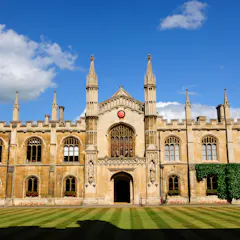
New research shows that universities could offset carbon by changing some of their land to woodlands and meadows.
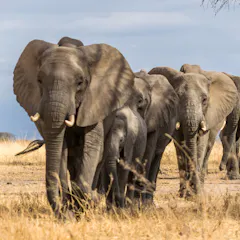
Efforts to preserve biodiversity and slow climate change make natural bedfellows.
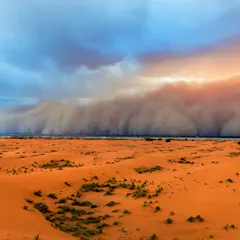
Humanity’s biggest challenges are not technical, but social, economic, political and behavioural. Effective actions are still possible to stabilise the climate and the planet, but must be taken now.
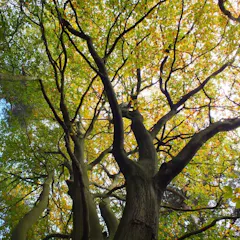
Nature-based solutions can help us sustainably tackle climate disasters - but to do that, they urgently need policy support.
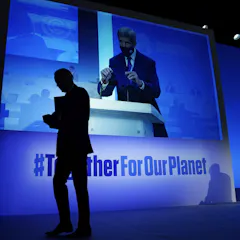
Of the big pledges so far at the UN climate conference, cutting methane could have the most immediate impact.
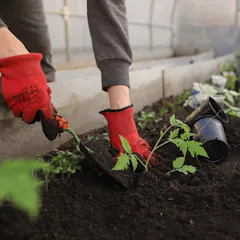
If we want to reduce carbon emissions and preserve planetary ecosystems, we need to protect our soils.

New research has found that low-rise urban environments are more space and carbon efficient than high-rise buildings which have a drastically higher carbon impact.

Problems with affordable, accessible energy could be mitigated by making more energy providers publicly owned.
Top contributors
-

Adjunct professor, Carbone boréal, Université du Québec à Chicoutimi (UQAC)
-
Chief Research Scientist, CSIRO Environment; Executive Director, Global Carbon Project, CSIRO
-
Professor and Climate Scientist, Department of Geography, Planning and Environment, Concordia University
-
Professor Emeritus of International Environmental Policy, Tufts University
-
Distinguished Professor of Climate Science, Simon Fraser University
-
Professor - Industrial ecology and climate change mitigation, Université du Québec à Chicoutimi (UQAC)
-
Royal Society Research Professor of Climate Change Science, University of East Anglia
-
Professor of Environmental Policy and Associate Pro-Vice-Chancellor (Interdisciplinary Research), University of Leeds
-
Professor of Communication, Public Policy & Urban Affairs, Northeastern University, Northeastern University
-
Professor, School of Economics, The University of Queensland
-
PhD candidate and research Fellow in the Economics of Climate Smart Cities research programme, University of Leeds
-
Professor of Science Communication and Chemistry, University of Hull
-
Associate Professor of Ecology, School Of Biological Sciences, University of Utah
-
Géochronologue et paléoclimatologue, chargé de recherches CNRS - Centre de recherches pétrographiques et géochimiques (Nancy) et Laboratoire de glaciologie (Bruxelles), Université de Lorraine
-
Distinguished Professor of Marine Science, King Abdullah University of Science and Technology