

Humanity’s ecological footprint takes many different and interconnected forms that are all getting worse.
Articles on Carbon
Displaying 41 - 60 of 178 articles
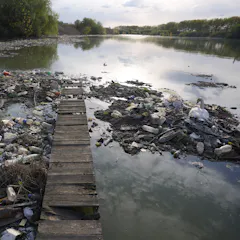
Climate action should be framed not as a sacrifice but as an investment that can generate economic savings and improve human and ecosystem health today.

Tracking both the amount of carbon and the time that it remains stored is key to unlocking the potential of nature-based carbon storage as a climate mitigation strategy.
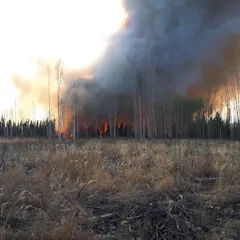
Peatlands safely store hundreds to thousands of years’ worth of humanity’s toxic legacy but climate change and physical disturbances are putting these pollution vaults, and us, at risk.

Can planting trees help us solve the climate crisis? Probably, but to what extent?
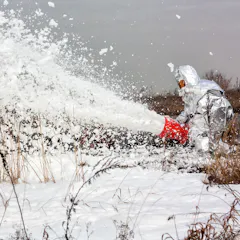
The Canadian government needs to regulate and, eventually, stop the continued release of toxic ‘forever chemicals’ into the environment and also prevent the creation of any toxic replacements.
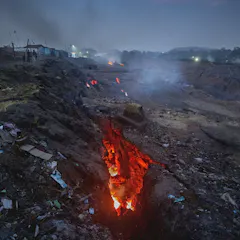
Some rocks will burn, and others will melt, depending on how they were formed and what minerals they contain.
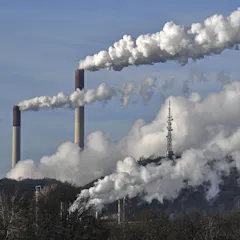
Governments are more than regulators — they are also major greenhouse gas emitters.
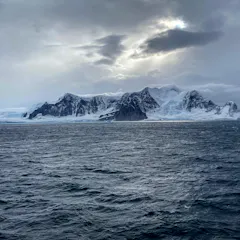
Working with underwater robots, scientists show how deep sea mountains and fast currents between Antarctica and South America play a crucial role in stabilizing the climate.
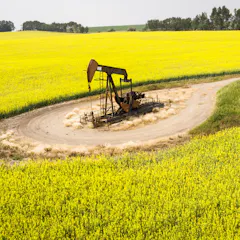
Canada has no choice but to adapt its energy sources and industries in a ‘just transition.’ If it doesn’t, the inevitable transition will be much more disruptive — and much less just.
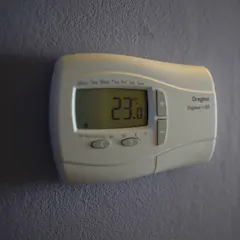
Policies that encourage the use of low-carbon technology like heat pumps can help motivate residents to decarbonize their homes.
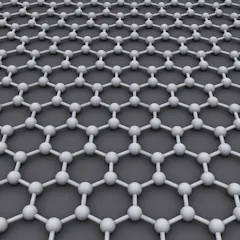
Graphene is superstrong and superconductive, and it has applications in everything from construction to electronics. But to date there have been almost no commercial uses of the material.
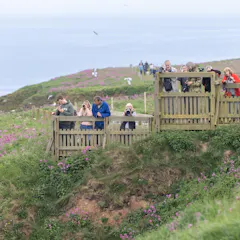
Environmental groups have criticised the government’s approach to nature – but what is this approach and why is it concerning?
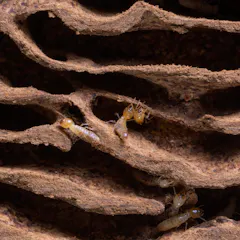
Termites are about to experience a significant global expansion in their prime habitat, thanks to climate change. Here’s what that means for deadwood.
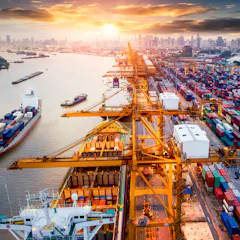
A new study shows what it would mean for Europe and China, and why the US might not be too excited about the idea.

Aviation has long been shamed for its carbon footprint. But cutting non-CO2 emissions may hold the key to rapid change.
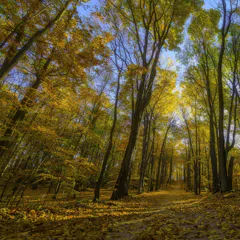
The Midwest had a lot of trees, but just a few species were responsible for the bulk of the carbon storage.

The early symptoms of carbon monoxide poisoning include headaches or dizziness, breathlessness, nausea, tiredness, chest and stomach pains and visual problems.
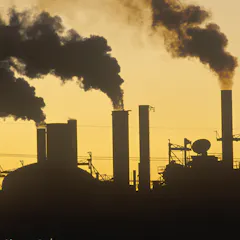
A review of S&P 500 companies finds carbon disclosure doesn’t necessarily mean emissions fall.

Moving around cities will change in the future as new technologies like self-driving cars gain wider adoption. Science fiction can give us a glimpse into these futures.
Top contributors
-

Adjunct professor, Carbone boréal, Université du Québec à Chicoutimi (UQAC)
-
Chief Research Scientist, CSIRO Environment; Executive Director, Global Carbon Project, CSIRO
-
Professor and Climate Scientist, Department of Geography, Planning and Environment, Concordia University
-
Professor Emeritus of International Environmental Policy, Tufts University
-
Distinguished Professor of Climate Science, Simon Fraser University
-
Professor - Industrial ecology and climate change mitigation, Université du Québec à Chicoutimi (UQAC)
-
Royal Society Research Professor of Climate Change Science, University of East Anglia
-
Professor of Environmental Policy and Associate Pro-Vice-Chancellor (Interdisciplinary Research), University of Leeds
-
Professor of Communication, Public Policy & Urban Affairs, Northeastern University, Northeastern University
-
Professor, School of Economics, The University of Queensland
-
PhD candidate and research Fellow in the Economics of Climate Smart Cities research programme, University of Leeds
-
Professor of Science Communication and Chemistry, University of Hull
-
Associate Professor of Ecology, School Of Biological Sciences, University of Utah
-
Géochronologue et paléoclimatologue, chargé de recherches CNRS - Centre de recherches pétrographiques et géochimiques (Nancy) et Laboratoire de glaciologie (Bruxelles), Université de Lorraine
-
Distinguished Professor of Marine Science, King Abdullah University of Science and Technology