
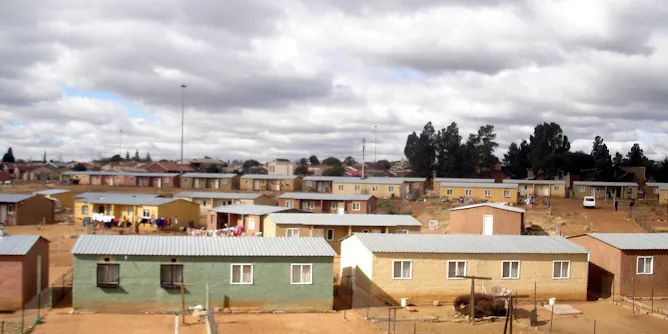
Durban one of South Africa’s third largest cities, by population has reported that the number of people living in informal dwellings has remained stubbornly high.
Articles on Cape Town
Displaying 121 - 140 of 147 articles
Smart meters may help water saving initiatives as the drought persists in South Africa’s Western Cape. It can help those who need achieve saving targets.
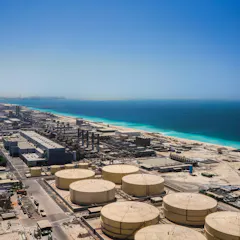
Desalination has been proposed as one of many strategies to deal with the water shortages. But the process is known to be expensive and harmful to the environment.
Women who don’t get enough to eat while pregnant face a high risk of developing common mental illnesses like depression and anxiety during pregnancy and after giving birth.
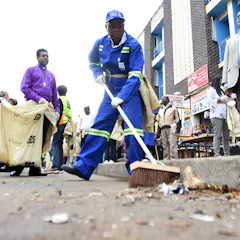
Are different ways of governing emerging from South Africa’s cities governed by opposition coalitions?

Early warning signs of a pending drought are difficult to recognise but cities will have to be better prepared for prolonged changes in weather patterns, so that it can respond quickly.
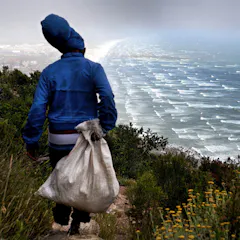
Ethical engagement in multilingual communication is about mutual respect. More importantly, it’s about shaping a shared future through face-to-face communication.
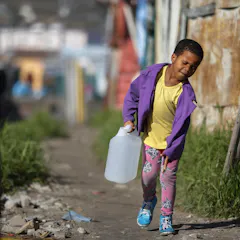
There is an increasing demand for water in cities like Cape Town. The current drought exacerbates this. But there are ways to use and save water sustainably.

Reggae in South Africa has lost its visibility and prominence inside the country after apartheid. But local artists have built up extensive international links.
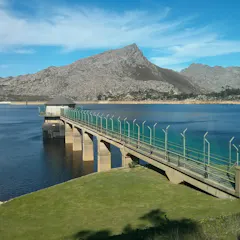
Building resilience in Cape Town’s water sector will require addressing risks like climate change, drought and flooding. Stormwater and groundwater are tipped as potential solutions.
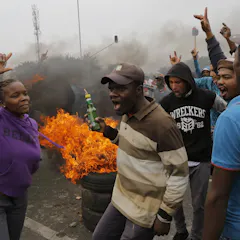
Protests in South Africa are about more than just service delivery of basic services such as water and electricity. They reflect a wider crisis about the failure to build a more equitable society.
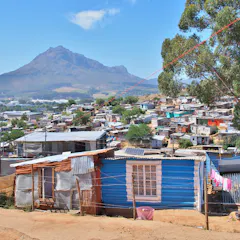
If resilience efforts don’t consider justice issues, they will end up making those who are the most in need the least resilient.
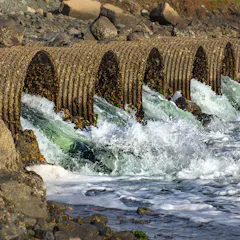
Stormwater harvesting offers an alternative water supply source. It’s almost entirely untapped in South Africa and could ensure improved water security across the country.
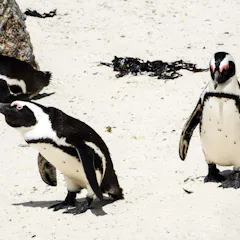
Young African penguins are following the usual cues to feeding grounds only to find that the sources of food in these places is no longer available. This is devastating for their numbers.

Urban farming increases access to healthy foods. And building social networks is one of the greatest benefits of urban agriculture in poor areas.
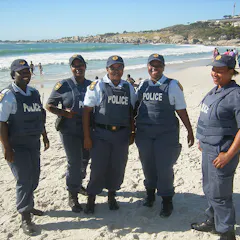
A tone of bitter disillusionment dominates the book, which combines self-deprecating anecdotes with reflections on the unique strangeness of policing a post-apartheid South African city.
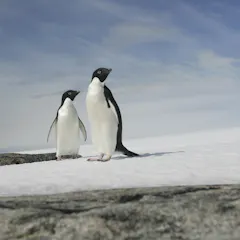
Antarctica hangs in the balance. Five cities have the chance of securing the future of this fragile continent.
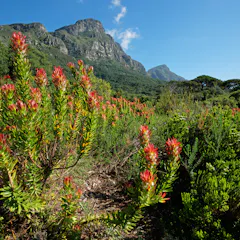
Restoring habitats have numerous benefits, they can also benefit humanity. But it is for people to be convinced that they can actually do good.
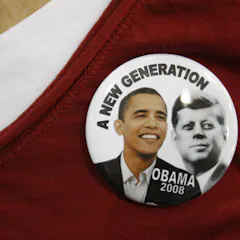
The time has come for developed nations to eliminate the large pockets of ignorance which exist in their societies about Africa and other peoples. Globalisation demands that people think differently.
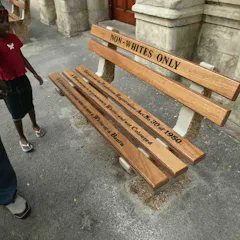
September is celebrated as heritage month in South Africa. How to get it right? A revisit to a national newspaper’s decade-old, ambitious project is a good yardstick to use.
Top contributors
-

Postdoctoral Research Fellow, Global Change Institute, University of the Witwatersrand
-
Senior Researcher, Agricultural Research Council
-
Distinguished Professor of Conservation Ecology, Stellenbosch University
-
Honorary research affiliate, Centre of Criminology, University of Cape Town
-
Post-Doctoral Fellow, University of Cape Town
-
Visiting Adjunct Professor, School of Governance, University of the Witwatersrand
-
Senior Scholar in Environmental & Geographical Science, University of Cape Town
-
Senior Lecturer in Conservation Ecology & Genetics, University of Cape Town
-
Doctor of Philosophy, University of British Columbia
-
Honorary Research Fellow of The Ethics Lab, University of Cape Town
-
Research Chair, African Climate and Development Initiative, University of Cape Town
-
PhD Student, University of Cape Town
-
Professor of Antarctic Studies, School of Humanities, University of Tasmania
-
Marine Biologist, South African National Parks (SANParks); Honorary Research Associate, South African Institute for Aquatic Biodiversity (SAIAB), South African Institute for Aquatic Biodiversity
-
Research Fellow, Bristol Zoological Society and University of Exeter; Extraordinary Professor: Department of Biodiversity and Conservation Biology, University of the Western Cape, University of Exeter