
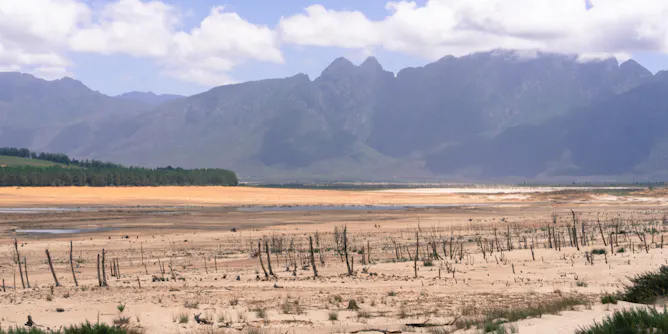
Cape Town is testing new strategies to nudge domestic users into reducing their water use.
Articles on Cape Town
Displaying 101 - 120 of 147 articles

In periods of water stress, farmers need support, research assistance and empathy from governments and competing water users.
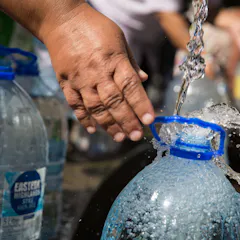
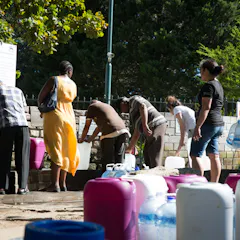
Day Zero will be the start of active water rationing when taps will be cut off and people will have to go to collection sites.
The poor management of South Africa’s water is affecting the entire country.
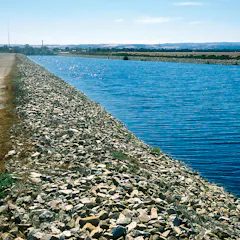
Cities all over the world are facing growing challenges to provide clean, reliable water. And many of the fixes, such as desalination plants, have a huge carbon footprint.
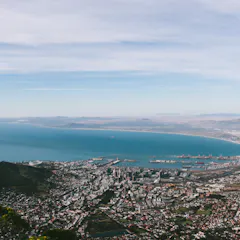
Global examples show South Africa that desalination could increase water output.
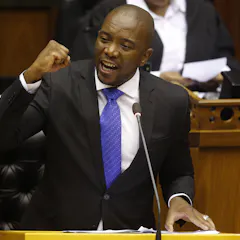
Opposition leader Mmusi Maimane’s takeover of responsibility for tackling the Western Cape water crisis blurs party and state lines.
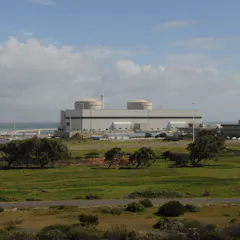
For South Africa decommissioning its nuclear plant Koeberg is a reality that cannot be ignored much longer.

Cape Town’s new water map shows users who are within the water restriction limit.
A drought levy is being proposed for water scarce Cape Town. The levy is facing wide opposition and there are claims it’s punitive and punishes those trying to save water.
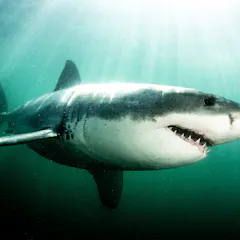
Interactions between sharks and humans happen in a variety of places. That means reducing conflict needs different interventions.
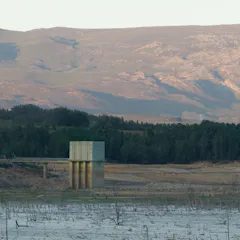
The water crisis in South Africa’s Cape Town teaches us there’s more at play than just rainfall. Disasters like droughts means the issue must be seen from many different perspectives, like politics.
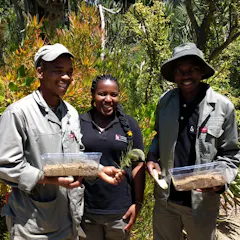
Humans - the very “carriers” who can spread dangerous microbes unthinkingly from their equipment and shoes - can instead become the first line of defence against a possible microscopic invasion.
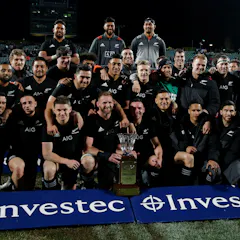
South Africans supporting visiting New Zealand rugby teams took root in a tumultuous time as an expression of defiance against apartheid.
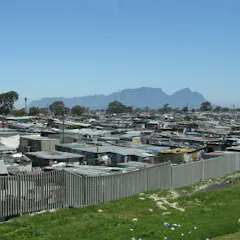
There are a number of myths surrounding Cape Town’s drought, one of them being that the city saw the crisis coming but didn’t prepare for it.
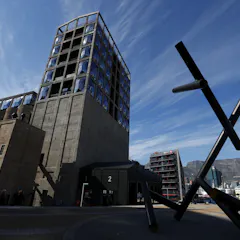
From a heritage perspective, the transformation of Cape Town’s grain elevator into an art museum delivers an innovative and creative solution to retaining and reusing industrial heritage sites.
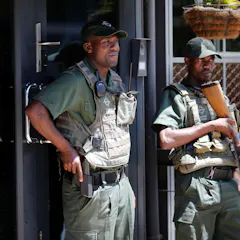
The future of private security is beset by many challenges and what forms of regulation would be required to align it with the public interest.
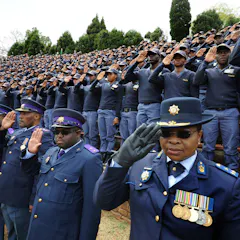
Born and raised in poor circumstances, many South African police officers find themselves in the job after original aspirations slipped beyond reach.
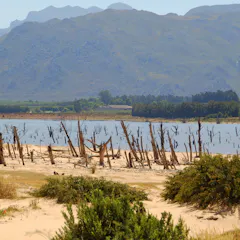
Cape Town promised alternative water sources with the ongoing drought being declared a disaster. Its main strategy is water rationing but climate models are also being used.
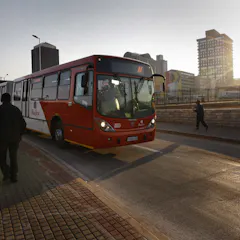
South Africa needs to review its approach to rolling out Bus Rapid Transit systems as the current model is proving to be too expensive and unsustainable.
Top contributors
-

Postdoctoral Research Fellow, Global Change Institute, University of the Witwatersrand
-
Senior Researcher, Agricultural Research Council
-
Distinguished Professor of Conservation Ecology, Stellenbosch University
-
Honorary research affiliate, Centre of Criminology, University of Cape Town
-
Post-Doctoral Fellow, University of Cape Town
-
Visiting Adjunct Professor, School of Governance, University of the Witwatersrand
-
Senior Scholar in Environmental & Geographical Science, University of Cape Town
-
Senior Lecturer in Conservation Ecology & Genetics, University of Cape Town
-
Doctor of Philosophy, University of British Columbia
-
Honorary Research Fellow of The Ethics Lab, University of Cape Town
-
Research Chair, African Climate and Development Initiative, University of Cape Town
-
PhD Student, University of Cape Town
-
Professor of Antarctic Studies, School of Humanities, University of Tasmania
-
Marine Biologist, South African National Parks (SANParks); Honorary Research Associate, South African Institute for Aquatic Biodiversity (SAIAB), South African Institute for Aquatic Biodiversity
-
Research Fellow, Bristol Zoological Society and University of Exeter; Extraordinary Professor: Department of Biodiversity and Conservation Biology, University of the Western Cape, University of Exeter