
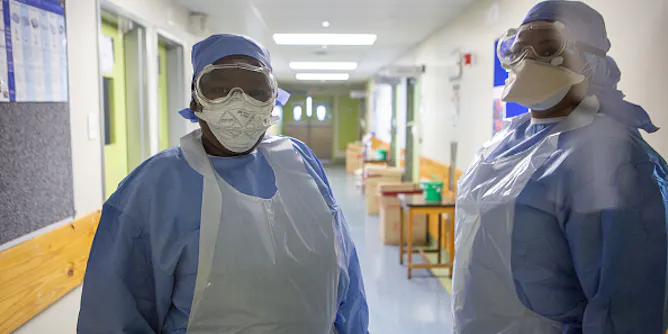
Creating a space where people feel safe to voice opinions, make mistakes and risk ridicule when offering an idea can have a significant effect on teams.
Articles on Cape Town
Displaying 61 - 80 of 147 articles
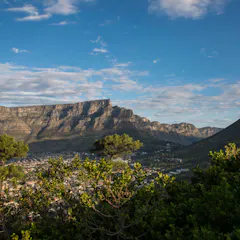
Protecting forests means protecting a rich biodiversity of plants, animals and the livelihoods of many people.
Artificially dimming the sun, by injecting reflective particles into the upper atmosphere, could reduce the risk of Day Zero level droughts in Cape Town by more than 90% in the future.
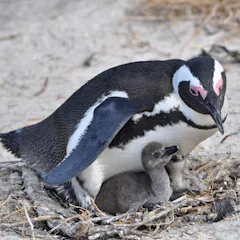
Penguins are sensitive to ecosystem changes such as reduction of available prey, pollution and climate change. Their presence and abundance is indicative of a healthy and balanced ecosystem.

‘Antarctic cities’ residents care deeply about the continent, with environmental concerns outweighing economic priorities. Asked about its future, they feel a mix of hope, pessimism and sadness.
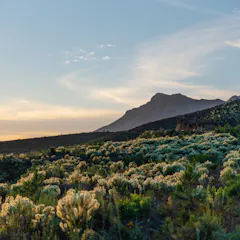
Cape Town’s new climate strategy is a good start. But it falls short when it comes to nature.
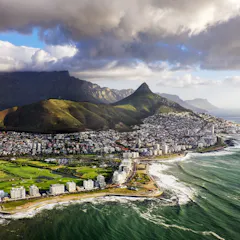
Regional tourism took a huge knock from the Day Zero experience in Cape Town, South Africa. Here are the lessons learnt.
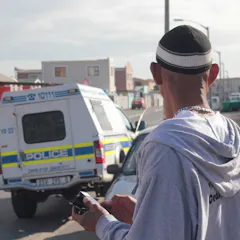
A study shows that some Cape Town gangsters choose to stand alone, preferring their independence to taking orders from a gang boss.
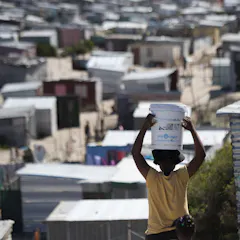
COVID-19 has stretched South Africa’s public health services to capacity. In response, the services have increased their capacity through innovation.
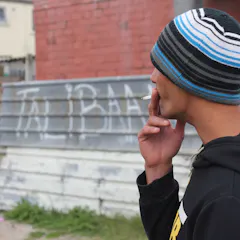
Even after becoming an ‘ex’, former gang members must still negotiate gang associations and activities in the communities they remain in.

There aren’t a lot of studies on South Africa’s cultural economy. A new one finds a cluster of creative firms in Cape Town with high levels of innovation.

A film about Cape Town’s environmental resources features a cast as diverse as breakdancers and wetland activists - and is being used as a study aid globally.

At present South Africa is simply placing a potentially dangerous market into the hands of criminal syndicates and international traffickers.
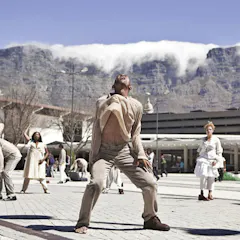
From Cape Town to Kisumu and Greater Manchester, cities around the world are seeing the benefits of festivals that celebrate traditions and people.
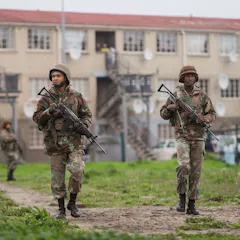
Successes by the army and police on the Cape Flats will depend entirely on levels of cooperation established on an ad hoc basis.
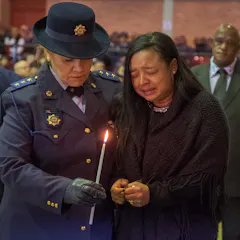
The biggest problem with using the military to fight rime is that soldiers are not trained for law enforcement, but warfare, using maximum force.

The fervour over plastic waste is not as informed as it ought to be. It is time to focus on more significant dangers to the environment.
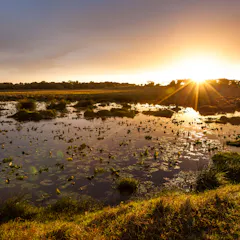
With partnerships between landowners, the government and businesses, South Africa can invest in its wetlands and boost the country’s potable water reserves.
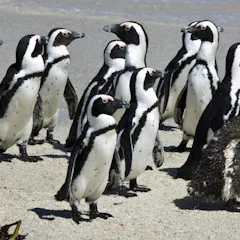
How African penguins and their chicks’ respond to fish availability informs marine conservation.
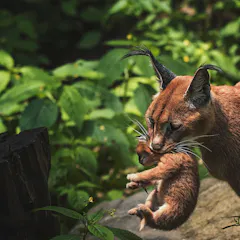
Household rat poison is endangering caracals, and other wildlife species in Cape Town, that prey on poisoned rodents. If not managed, this can negatively alter the region’s ecosystem.
Top contributors
-

Postdoctoral Research Fellow, Global Change Institute, University of the Witwatersrand
-
Senior Researcher, Agricultural Research Council
-
Distinguished Professor of Conservation Ecology, Stellenbosch University
-
Honorary research affiliate, Centre of Criminology, University of Cape Town
-
Post-Doctoral Fellow, University of Cape Town
-
Visiting Adjunct Professor, School of Governance, University of the Witwatersrand
-
Senior Scholar in Environmental & Geographical Science, University of Cape Town
-
Senior Lecturer in Conservation Ecology & Genetics, University of Cape Town
-
Doctor of Philosophy, University of British Columbia
-
Honorary Research Fellow of The Ethics Lab, University of Cape Town
-
Research Chair, African Climate and Development Initiative, University of Cape Town
-
PhD Student, University of Cape Town
-
Professor of Antarctic Studies, School of Humanities, University of Tasmania
-
Marine Biologist, South African National Parks (SANParks); Honorary Research Associate, South African Institute for Aquatic Biodiversity (SAIAB), South African Institute for Aquatic Biodiversity
-
Research Fellow, Bristol Zoological Society and University of Exeter; Extraordinary Professor: Department of Biodiversity and Conservation Biology, University of the Western Cape, University of Exeter