

A new study in mice suggests fasting could increase the risk of cancer. Yet previous research has said the opposite. Here’s what to make of these conflicting findings.
Articles on Cancer risk
Displaying 21 - 40 of 93 articles

Height does increase your cancer risk – but only by a very small amount.
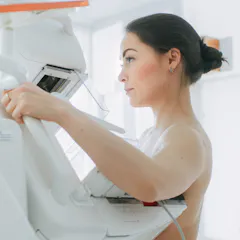
People born in 1990 were between two and three times more likely to develop thyroid, kidney, pancreatic and small intestine cancer than those born in 1955.

Drinking alcohol is normalized in American society. But the ubiquity of alcohol consumption hides its serious health risks, including cancer.
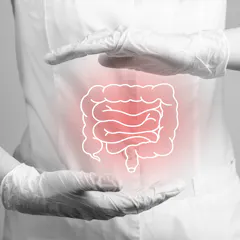
Colon cancer is curable when caught early, but some insurers are either refusing to cover or significantly delaying approval for colonoscopies.

That depends on a number of factors, including the cancer you had initially, as well as your genes, environment and lifestyle.

A 30-minute workout five times a week may be all you need.
These chemicals are now found on almost every part of the planet, including in the bodies of a large percentage of the American public. An environmental health scientist explains the risks.

New research explores the health potential of brief bursts of activity – and how wearables combined with machine learning can reveal health benefits of unexplored aspects of our everyday lives.

Ireland recently passed legislation to introduce clearer alcohol labels to warn about the risks of liver disease and fatal cancers from drinking alcohol. Australia should do the same.

The Biden administration is finalizing the first federal limits on two compounds, PFOA and PFOS, in drinking water. These so-called ‘forever chemicals’ have been linked to numerous health effects.

While lung cancer rates have decreased by 43% in men, they have risen by 79% in women. New screening guidelines and recognizing early symptoms can help address the changing face of lung cancer.

Our study found women aren’t necessarily aware of the link between alcohol and breast cancer. And even when they are, they aren’t always able to ‘choose’ to quit.

Our research shows most women aren’t meeting lifestyle recommendations that can help prevent cancer recurrence.

Avoiding smoking and keeping a healthy weight can cut your risk of cancer.

Almost 4,000 Australians are diagnosed with head and neck cancer each year. Oral cancer is one type.
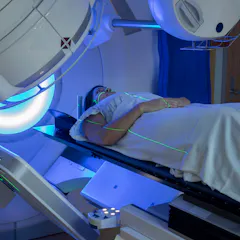
Social factors influence how likely we are to suffer from many types of disease, including cancer.

These chemicals are now present in water, soil and living organisms and can be found across almost every part of the planet – including 98% of the American public.

There are currently no effective tests to screen for ovarian cancer. But that doesn’t mean there aren’t ways to recognize and prevent it.

A study of over 100,000 people found aspartame and acesulfame K in particular may increase risk of developing cancer somewhat.
Top contributors
-

Adjunct Professor, School of Psychology, Curtin University and College of Health and Medicine, Australian National University
-
Associate Professor, Deakin University
-
Assistant Professor of Environmental Health, Middlebury College
-
Adjunct Professsor, School of Psychology, Faculty of Health and Medical Sciences, Adelaide University
-
Professor, Department of Biomedical and Life Sciences, Lancaster University
-
Professor at University of Melbourne and Research Fellow, Cancer Council Victoria
-
Timothy J. Jorgensen is a Friend of The Conversation.
Director of the Health Physics and Radiation Protection Graduate Program and Professor of Radiation Medicine, Georgetown University
-
Senior Research Officer, Blood Cells and Blood Cancer Division, WEHI (Walter and Eliza Hall Institute of Medical Research)
-
Associate lecturer, Nutritional Biochemistry, University of Hertfordshire
-
Professor, Paediatrics and Child Health, UNSW
-
Professor of Breast Cancer Research, Institute of Health and Biomedical Innovation and School of Biomedical Sciences,, Queensland University of Technology
-
Professor of Surgery, Eastern Health Clinical School, Monash University
-
Laureate Professor in Nutrition and Dietetics, University of Newcastle
-
Associate Professor, Gastroenterologist & Clinical Epidemiologist, Monash University
-
Associate professor, University of Sydney