

A diagnosis of glioblastoma did not keep John McCain from the Capitol to cast a crucial vote that could end Obamacare. His actions are a reminder that stats are one thing but human beings, another.
Articles on Cancer risk
Displaying 61 - 80 of 93 articles
Two US researchers have traced the majority of cancers to DNA replication errors during our natural cell replacement. Their finding asks for a renewed inquiry into the role of “chance” in cancer.
While other cancer rates fall or remain static, liver cancer is on the rise. Here’s why we need to start paying attention.

The true radiation risk from commercial flying has nothing to do with security scans. A radiation expert explains how much cancer risk the most frequent of flyers take on when they take to the skies.
The composition of bacteria in our gut regulates our immune system. Modifying it - through poo transplants for example - can control cancer risk, as well as response to treatment.
In a recent study of almost 11 million young Australians, we showed those exposed to a CT scan before the age of 20 had a small increase in cancer risk in the years after exposure.
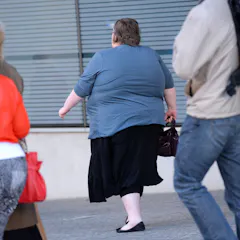
Obesity is linked with a host of health outcomes. Both a disease itself and a risk factor linked to many others, we explore the linkages between obesity and cancer.
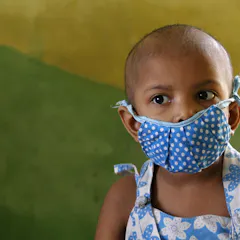
There’s no good reason why diagnosis rates differ. And it may be down to gender discrimination.
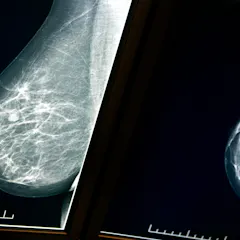
Women with dense breasts are more likely to develop breast cancer. Density also makes it harder for doctors to detect breast cancer on a mammogram.
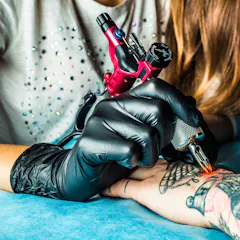
Of the 49 inks tested, only four complied with the European standards. Carcinogens were found in more than one-fifth of the samples, and in 83% of the black inks.
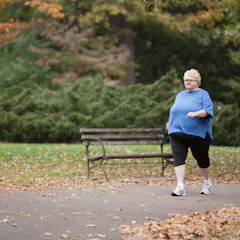
A longitudinal study featuring nearly 74,000 US women has found that the longer a woman has been overweight or obese during her adult life, the higher her risk of developing cancer.

Scalding injury to body tissue is not known to cause cancer. But experimental data suggest cancer may arise when injured tissue then comes into contact with carcinogens.

The meltdown at the Chernobyl Nuclear Power Plant in 1986 exposed 572 million people to radiation. No other nuclear accident holds a candle to that level of public health impact.
Lynch syndrome is a common, inherited condition that affects thousands of Australians and greatly increases their risk of developing cancer. Yet 95% of those who have it don’t know about it.
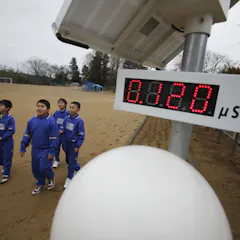
Remediation will never get radiation to zero in the area affected by the 2011 meltdown at the Fukushima-Daiichi nuclear power plant. Rather than safety, the conversation should focus on acceptable risk.
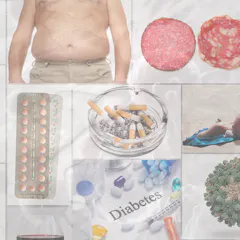
This body map brings together evidence on proven cancer causes. Using credible, scientific sources it answers questions about whether alcohol, red meat or sun exposure increase your cancer risk.
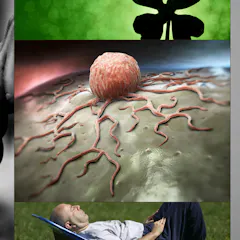
Two major studies have come to different conclusions – but there’s much more to it than chance alone.

There are several natural remedies that have can help reduce cancer cells.
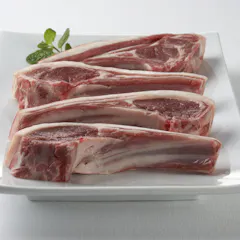
The World Health Organisation’s report on the increased cancer risk with eating processed and red meat has been met with mixed reactions.
There are several ways scientists can explain risks of cancer and other diseases; some are easier to understand than others.
Top contributors
-

Adjunct Professor, School of Psychology, Curtin University and College of Health and Medicine, Australian National University
-
Associate Professor, Deakin University
-
Assistant Professor of Environmental Health, Middlebury College
-
Adjunct Professsor, School of Psychology, Faculty of Health and Medical Sciences, Adelaide University
-
Professor, Department of Biomedical and Life Sciences, Lancaster University
-
Professor at University of Melbourne and Research Fellow, Cancer Council Victoria
-
Timothy J. Jorgensen is a Friend of The Conversation.
Director of the Health Physics and Radiation Protection Graduate Program and Professor of Radiation Medicine, Georgetown University
-
Senior Research Officer, Blood Cells and Blood Cancer Division, WEHI (Walter and Eliza Hall Institute of Medical Research)
-
Associate lecturer, Nutritional Biochemistry, University of Hertfordshire
-
Professor, Paediatrics and Child Health, UNSW
-
Professor of Breast Cancer Research, Institute of Health and Biomedical Innovation and School of Biomedical Sciences,, Queensland University of Technology
-
Professor of Surgery, Eastern Health Clinical School, Monash University
-
Laureate Professor in Nutrition and Dietetics, University of Newcastle
-
Associate Professor, Gastroenterologist & Clinical Epidemiologist, Monash University
-
Associate professor, University of Sydney