
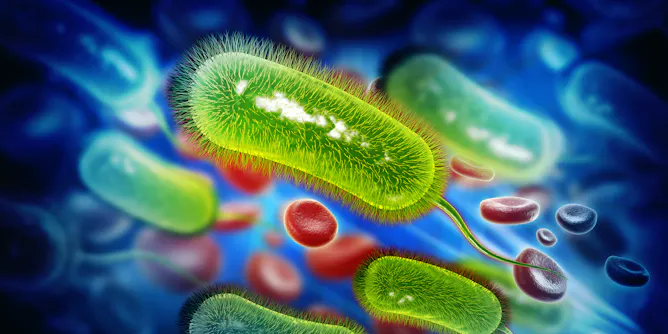
It’s thought around half of the world’s population are infected with H pylori.
Articles on Bowel cancer
Displaying 1 - 20 of 53 articles
Bowel cancer is uncommon in those aged under 50, but rates are rising. Here’s how you can reduce your risk.

Cancer rates are rising among younger people aged under 50. Here’s what we know about the causes – and what the evidence says about the role of plastics.
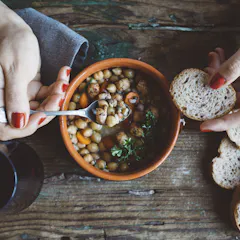
Not getting enough fibre can lead to constipation, haemorrhoids and boost your risk of heart disease, type 2 diabetes, and bowel cancer.
Some of the proposed reasons include diet and lifestyle factors, and even the gut microbiome. But ultimately we don’t know.

Eating yoghurt may help protect against bowel cancer by modifying the natural bacteria that live in the gut.

One of the largest studies into diet and disease so far has shed new light on how easy, cheap lifestyle changes can help everyone to reduce their cancer risk.

Bowel cancer is currently the third most common cancer in the world.
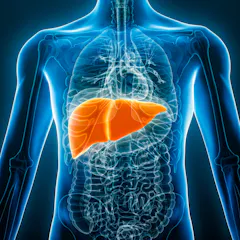
Liver transplants could offer hope to patients with difficult to treat, advanced bowel cancer.

Western Australia has introduced a limit on ham in school canteens. Here’s what has changed and the evidence it’s based on.

There have been calls for Australia to follow the US and lower the age for screening, from the current starting age of 50. So should we follow suit?

The golden rule of gastroenterology is to always heed the ‘call to stool’ when the urge strikes.
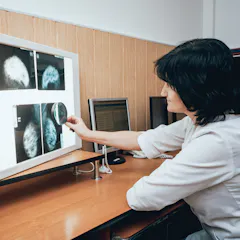
Regular testing can mean potentially fatal diseases can be picked up and treated early.

A really important symptom to look out for is new rectal bleeding when you pass a bowel movement. But anyone can buy a home testing kit if they’re concerned.

Bowel cancer is one of the most common forms of cancer in Australia, and some cases could potentially be avoided. Here’s how.

Nitrate in drinking water has been linked to an increased risk of colorectal cancer. That could have implications for some parts of New Zealand where nitrate levels are high.

The rise in obesity parallels the increase in bowel cancer. Highly processed foods and alcohol could also play a role.

As you age, your body deteriorates and your risk of disease and injury increases. Here’s a decade by decade guide to what you’re up against – and what you can do about it.
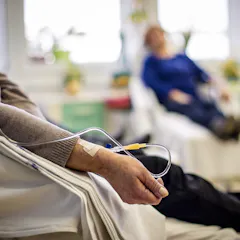
We have no reliable way of knowing which patients’ cancer will return after surgery, so often chemotherapy is given to mop up any remaining cancer cells that may have gone undetected.

It’s clear that socioeconomic position has a strong influence on cancer incidence and mortality in Australia.
Top contributors
-

Adjunct Professsor, School of Psychology, Faculty of Health and Medical Sciences, Adelaide University
-
Associate Professor, Gastroenterologist & Clinical Epidemiologist, Monash University
-
Professor of Biomedical Sciences, Anglia Ruskin University
-
Professor at University of Melbourne and Research Fellow, Cancer Council Victoria
-
Adjunct Professor, School of Psychology, Curtin University and College of Health and Medicine, Australian National University
-
Principal Research Fellow and and Cancer Epidemiologist, University of Sydney
-
Laureate Professor in Nutrition and Dietetics, University of Newcastle
-
Associate Professor, Deakin University
-
Lead, Cancer Elimination Collaboration (CEC) and Professor of Public Health, University of Sydney
-
Professor of Cancer Epidemiology, Queen's University Belfast
-
Head of Urology at Monash Medical Centre and Associate Professor of Surgery, Monash University
-
Associate Professor of Medicine, Sydney Medical School, Concord Clinical School; Medical Oncologist, Concord Cancer Centre, University of Sydney
-
Professor of Meat Science and the co-host of the NRF SARChI Chair in Meat Science, University of Fort Hare
-
Lecturer in Human Nutrition and Dietetics, Glasgow Caledonian University
-
Research Fellow, Centre for Medical Psychology & Evidence-based Decision-making, University of Sydney